


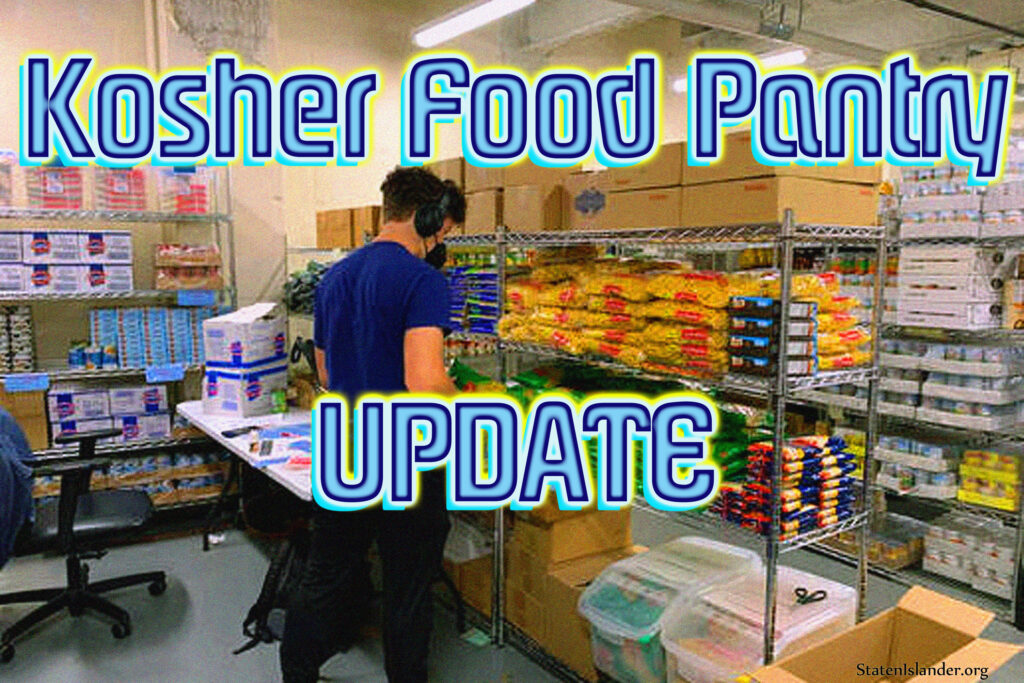

The Staten Island Hunger Task Force hosts a monthly Zoom meeting, where they discuss what’s been happening in the Food Bank system. As more and more people have come to rely on it, these meetings are essential so that anything needed can be taken care of, and they can receive more support if necessary or applicable.
Since the time of the pandemic, as one of the speakers mentioned, people who are in need feel less shame about asking for help. However, at the same time, the need has risen dramatically. Unfortunately, in most cases, the need is greater than the help available, including through federal programs which have historically been underfunded.
In this monthly meeting, several administrators of Jewish food pantries, as well as Muslim food pantries, spoke about the increased need for food that was acceptable for those living under stricter religious dietary rules. This need has arisen due to an increased number of Orthodox and Hasidic families who are seeking help with food at this time of rising inflation affecting food costs. The average number of children for an Orthodox family is between five and thirteen kids.
For Muslims, this includes many more families who follow Halal food restrictions needing assistance from their local pantries. Most of the food pantries do not require their attendees to be on SNAP or other government assistance. Considering the limitations in that program, both in the number of families who qualify and the number who are accidentally ejected from programs due to changing life circumstances or computer errors, it is good news that there are programs to take up the slack.
The below chart shows the income levels applicable for residents of New York that are effective right now. Most of the time in New York City, a person making this low of an income cannot even afford a room in an apartment, considering the local rents.
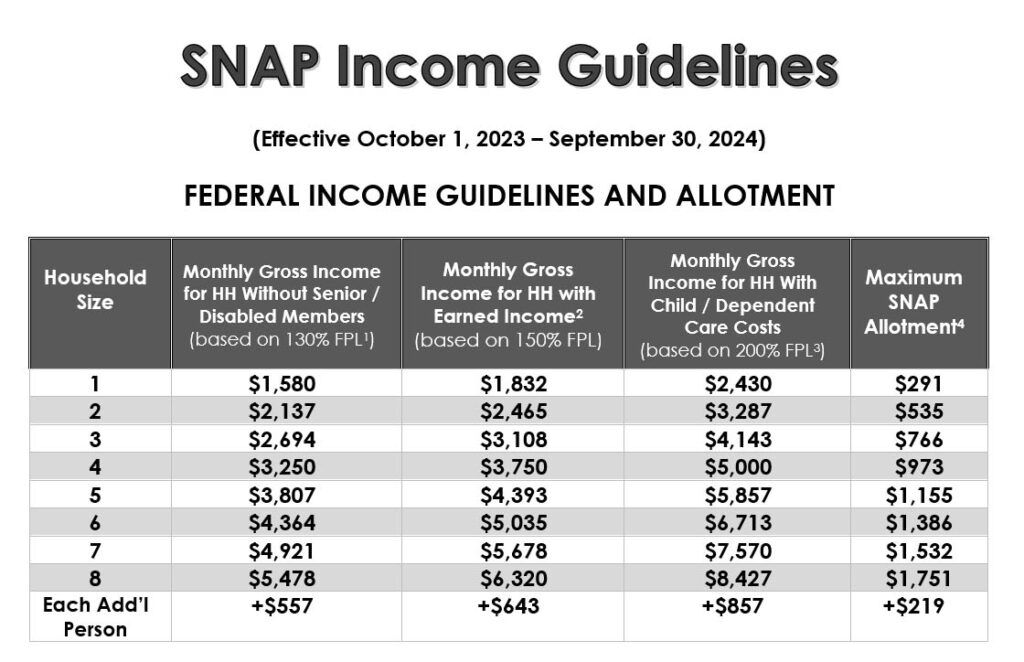

As we have previously covered in our ALICE project article, the federal poverty guideline is the same for every state. New York is also on the low side when it comes to income levels for SNAP. In the past, it was even lower, but now the income guideline shows that one can earn 130%, 150%, or 200% of the federal guideline in order to qualify, depending on the status of the applicant.
So a family can easily be struggling in New York City, when cost of living is considered, but not qualify for food stamps, welfare, WIC, other other financial aid. The only help such a family would be able to receive would be from food banks or religious institutions.
As a consequence, the food pantries in our local area, particularly those frequented by families with religious dietary restrictions, are struggling more than usual. They do their best to help the people that need food, but are not always able to meet this need. That is what the bulk of this meeting was about.
US Farm Bill
A second issue that was discussed was that of the Farm Bill. This is among the largest pieces of legislation that is passed, usually every five years. It covers many industries, including, in recent years, the nascent CBD and legal cannabis industry. The Farm Bill was set to be voted on last year, but it has instead been moved into this legislative session.
According to the Hunger Task Force, the Farm Bill needs to pass. There are changes to the way that farms are subsidized, changes to the way that food is distributed to food pantries, where they may be better able to meet the need, along with many other changes, continuations, or renewals of important parts of the bill that are being discussed right now.
Rev. Troia mentioned in the video, which was verified by a reporter from the Staten Islander News, that letters are needed. These letters need to be sent to our representatives in Congress, and should be sent by local food pantries, charities, and other companies and individuals involved in helping low-income people feed their families and participate in society.
Poverty should not be a bar to a productive life, but when there is never enough food for everyone to get what they need, it can become an unconscious block, setting up an expectation of lack that can follow a person through their life. Individual resiliency is a large factor in this, but making it so that everyone has enough to survive is a better way to solve the problems associated with poverty, lack, and severe income inequality in our society.
Sending letters to representatives, contacting them by phone and email, letting them know what the need is, and keeping it top-of-mind can help to ensure that this bill passes. The bill that exists today is likely to undergo changes as well, and keeping the needs of food pantry patrons in the minds of the politicians can help them to make changes that will benefit those who need help the most.
Banner Image: Video Cover. Image Credit – Staten Islander News
Staten Islander News Service Staff Writer


This byline indicates that this article was penned by a member/members of the Staten Islander News Organization office team. Our staff writers are the backbone of our newspaper, performing all sorts of important tasks like conducting interviews, investigating leads, besides writing the news stories you see.