


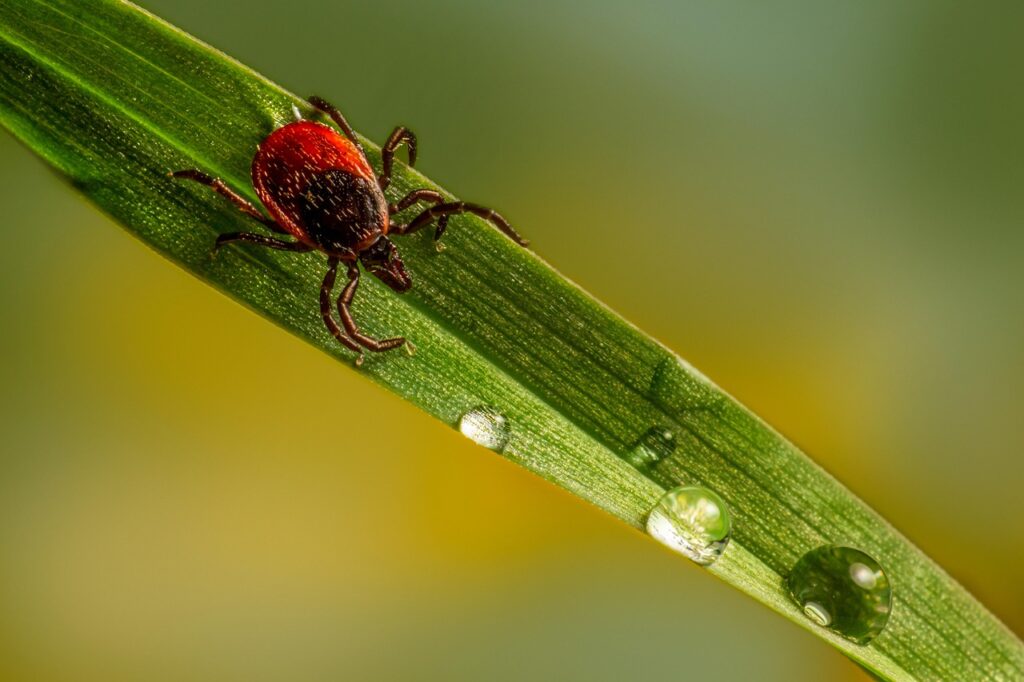
Return of the Ticks: Prevent Ticks Bites
The New York City Health Department Continues Tick-Bite Prevention Efforts, Including Surveillance and Public Education
Ticks Carrying Diseases are Primarily Found on Staten Island and in the North Bronx and in Areas Outside the City that New Yorkers Frequently Visit
Editor’s note: Readers may remember our guide to removing ticks in two super easy ways: using soap during a shower or with essential oils and a tweezer.
NEW YORK – The New York City Health Department (NYC Health Department) urges New Yorkers to protect themselves and their families from tick-borne diseases as summer approaches and people begin to travel and engage in outdoor activity. Ticks carrying pathogens that cause tick-borne diseases are found on Staten Island and in the North Bronx and are common in many wooded areas outside of the city, including Long Island, upstate New York, New Jersey, and Connecticut.
Lyme disease is the most common tick-borne diseases among New Yorkers, followed by babesiosis and anaplasmosis.
“As the weather warms and New Yorkers spend time outdoors, they should take precautions to prevent tick bites and reduce the risk of tick-borne illness,” said Acting Health Commissioner Dr. Michelle Morse. “We encourage New Yorkers to use a multi-step approach to preventing tick bites including an EPA-registered tick repellent and checking their body, as well as their children and pets, for ticks after being in wooded areas that may harbor ticks.”
“As New Yorkers head to our city’s parks this summer, we’d like to remind people about some easy steps to stay healthy and prevent tick-borne diseases,” said NYC Parks Wildlife Unit Director Richard Simon. “You can protect yourself from tick bites by using insect repellent on your clothing and shoes, tucking your pants into your socks, and wearing light-colored clothes which allows for easy identification of ticks. Remember to follow our clearly marked hiking trails, avoid brushing against foliage, and know that ticks can be picked up in short grass also. By following these simple precautions, visitors can safely enjoy the outdoor season and all the fun our parks have to offer.”
In 2024, there were 2,832 preliminary cases of Lyme disease reported among New York City residents. Of those cases, 1,801 were new diagnoses and the remaining 1,031 were new, positive results for cases from previous years. In 2023, there were 3,317 reported cases of Lyme disease. Additionally, in 2024 there were 78 reports of babesiosis and 65 of anaplasmosis among New Yorkers. Most people with tick-borne diseases were infected while spending time outside of NYC, including upstate New York, Long Island, Connecticut, New Jersey, Pennsylvania, and Massachusetts.
The NYC Health Department has surveillance systems to monitor ticks and tick-borne diseases. To conduct human disease surveillance, epidemiologists monitor tick-borne disease trends and investigate cases of disease to learn more about risk factors.
In addition to human disease surveillance, the Health Department monitors and tests tick populations in several locations across the five boroughs. A “drag” or cloth is used to collect ticks and test them for several pathogens at the NYC Health Department’s Public Health Laboratory.
Partner agencies, including the NYC Parks Department, post notices that ticks are present along with recommendations. In recent years, the Health Department has found the following ticks, and detected pathogens that cause tick-borne diseases in a small number of ticks:
|
Blacklegged Ticks
|
Lone Star Ticks
|
Gulf Coast Ticks
|
Asian Longhorned Ticks
|
American Dog Ticks
|
|
Home: Staten Island and in the North Bronx.
Diseases: Lyme disease, anaplasmosis, babesiosis, Borrelia miyamotoi disease, Powassan virus disease
|
Home: Staten Island and in the Bronx
Disease: Ehrlichiosis
|
Home: Staten Island
Disease: Rickettsia parkeri rickettsiosis
|
Home: Staten Island and in the North Bronx
Disease: No transmittable human disease
|
Home: All Five Boroughs based on historical surveillance
Disease: This tick is associated with Rocky Mountain spotted fever, however no ticks in recent years have tested positive
|
A range of factors influence tick populations, including weather and available food for hosts, such as acorns for mice. Climate change is contributing to warmer average temperatures resulting in longer warm seasons. Earlier spring, hotter summers, and shorter, milder winters create conditions that influence the number of ticks and where they are found. As ticks emerge and expand into new areas, the risk of tick bites and tick-borne disease transmission to humans and animals increases.
There is more information about ticks, Lyme disease and other tick-borne diseases, including anaplasmosis, babesiosis and ehrlichiosis, on the Health Department website.
Recommendations to Prevent Tick Bites and Tick-borne Illnesses
- Reduce your risk at home — if ticks are present, create a tick-safe zone.
- Know where ticks live — often shady, moist areas at ground level, especially in or at the edges of woods and around old stone walls.
- Keep grass short and don’t let piles of brush or leaves build up.
- Trim shrubs and tree branches around your yard to let in more sunlight.
- Create a barrier to define a tick-safe zone around your yard.
- Keep playground equipment and outdoor furniture in a sunny location, away from yard edges and trees.
- Don’t leave out food that attracts deer and other wildlife.
- Repel, don’t attract, ticks.
- Use an EPA-registered insect repellent that contains DEET, picaridin, or IR3535 with a product label indicating it is effective against ticks (not mosquitos only).
- Permethrin products can be used on clothing or shoes (but not the skin) to repel and kill ticks.
- Stay in the center of cleared paths and hiking trails when walking in heavily wooded areas.
- Wear light-colored clothing to see ticks easier.
- Tuck pants into socks and shirts into pants to prevent ticks from attaching to your skin.
- After being outdoors in wooded, brushy or tall grass areas:
- Check for ticks on your body and clothing, on children, and on dogs and other pets, and remove any ticks you find. Watch this video on how to remove ticks
- Young ticks are very small (about the size of a poppy seed), so seek help to inspect areas not easily reachable. Be sure to look carefully in areas of the body where hair is present since it may make it difficult to see the ticks. Adult ticks are about the size of an apple seed.
- Bathe or shower as soon as possible after coming indoors, preferably within two hours.
- Place dry clothing in a dryer on high heat for 10 minutes to kill ticks. Wet or damp clothing might need more time in the dryer.
- Use hot water when washing clothing to kill ticks. If hot water cannot be used, tumble dry wet or damp clothes on low heat for 70 minutes or high heat for 40 minutes.
- If you get a rash or a fever, let the doctor know if you may have been exposed to ticks, even if you don’t remember having a tick bite.
- Pets
- Ask your veterinarian which flea and tick repellents are best to use on your pet. Repellents help protect your pets from tick-borne diseases, and also protect pet owners, as ticks can travel into the home on dogs, cats, and other pets.
- Dogs, and less often cats, can also get sick from ticks. If you think your dog may have been bitten by a tick and you see changes in your dog’s behavior or appetite, speak with your veterinarian.
The NYC Health Department has a variety of programs to educate New Yorkers on ways to reduce their risk of tick-borne diseases. Health educators work with summer camps, libraries, NYC Parks, and community organizations to teach children and adults about tick safety. The Health Department has also created a Tick Toolkit for Educators to empower educators to teach tick safety to their own students. Additional resources can be found below.
- Ticks taking over? Take back your yard (PDF)
Other Languages: Español - All About Ticks: A Workbook for Kids and Their Parents (PDF)
Other Languages: Español
Banner Image: Tick. Image Credit – Erik_Karits
NYC Dept of Health and Mental Hygiene


The New York City Department of Health and Mental Hygiene is the department of the government of New York City responsible for public health along with issuing birth certificates, dog licenses, and conducting restaurant inspection and enforcement. The New York City Board of Health is part of the department. Its regulations are compiled in title 24 of the New York City Rules (the New York City Health Code). Since March 2022, the commissioner has been Ashwin Vasan.