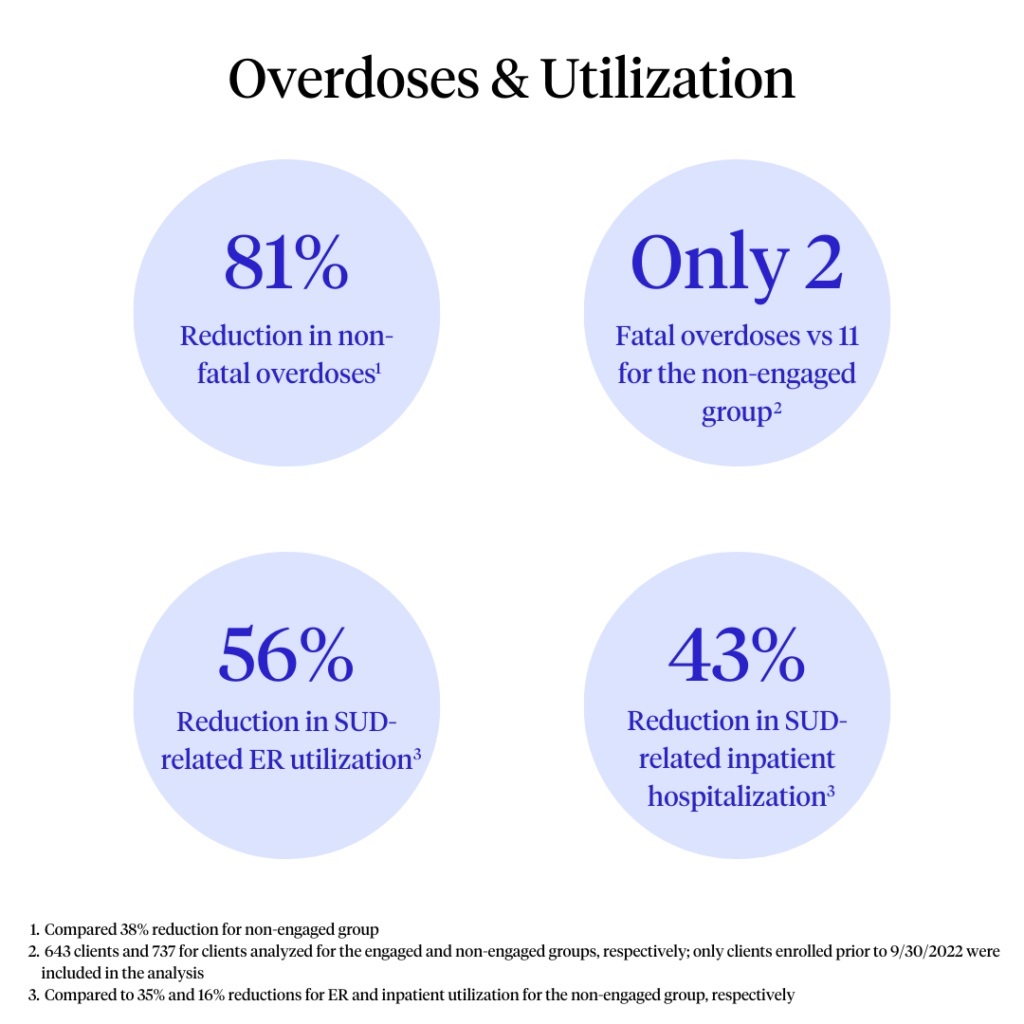
We previously reported on the hotspotting program by SIUH here. We had some additional questions below, and it is followed by information from their website about the Staten Island portion of the program.
We also asked SIUH: I wanted to also ask if there are any therapies in your treatment programs that focus on holistic methods of reducing addiction, such as acupuncture (which has shown promise in research for treating substance use disorder), biofeedback (also promising research), or massage and physical therapy for pain relief (for those patients who developed addiction due to pain)? These therapies are receiving expanded coverage under Medicare due to the passage of the NOPAIN Act, so I am wondering if they are already in use or if there are plans to use them in the future in the program focused on Staten Island.
Their Answer: Currently, Staten Island University Hospital does not offer holistic practices such as acupuncture, biofeedback, or massage therapy as part of our treatment programs. However, we recognize the growing body of research supporting these modalities, and our teams are actively reviewing studies and best practices to evaluate how they may be incorporated into future care models to best support our patients.
According to Pain Care Florida, the following therapies have shown promise in replacing opioid medications with non-pharmacological options, and would currently be covered under Medicare for addiction treatment:
- Physical therapy
- Cognitive behavioral therapy (CBT)
- Acupuncture
- Chiropractic care
- Massage
- Pain Control Methods
- Nerve blocks
- Joint injections
- Pain pumps
- Epidural steroid injections
- Trigger point injections
- Neuromodulation devices
- Radiofrequency ablation
The Hotspotting Program is centrally administered by the Staten Island Performing Provider System (SI PPS). The SI PPS was created out of the New York State (NYS) Medicaid Redesign program (1115 Waiver), a multi-billion-dollar effort to transform NYS’s Medicaid program. The SI PPS stands as an alliance of clinical and social service providers focused on improving the quality of care and overall health for Staten Island’s Medicaid and uninsured populations with 12,000 employees, 19 community based organization partners and 75 network partner organizations.
To enhance its health objectives, the SI PPS developed an advanced population health management (PHM) data platform and warehouse which integrates health data from multiple disparate sources, including medical and pharmacy claims, clinical data, emergency management systems (911), law enforcement data, payor data and clinical event notifications (CEN) from the local health information exchange (HIE).
As early as 2015 the PPS prioritized expanding the number of waivered providers on Staten Island and supported expansion of MAT induction in ERs. This resulted in an increase of nearly 350% of individuals successfully receiving MAT for 6 months or more without interruptions in service.
A warm hand-off program was instituted to engage individuals at the time of discharge from in-patient settings and provide immediate follow-up after ER encounters for an overdose. While the rate of overdoses on Staten Island declined precipitously from 2015-2018 because of these efforts, the subsequent fentanyl crisis and associated poisoning of the drug supply then caused overdoses to surge once again.
In the years since its establishment, SI PPS had an immense impact on the Staten Island care system and Staten Island’s residents. The PPS reduced avoidable hospital readmissions by 25% via an intensive care coordination model. The opioid crisis was tackled head on with development of programs that increased the availability of evidence based opioid medication assisted treatment (MAT) in both ERs’ and community based providers resulting in a 500% increase (300 to over 1500) in individuals receiving this life saving service.
The PPS initiated a first of its kind Certified Peer Recovery Advocate (CRPA) training program which allows individuals with lived experience to work alongside clinical professionals to engage opioid addicted individuals.
PPS also provided funding for innovative programs like the “Next Step Walk-in Program”, which provides 24/7 access to treatment and CRPAs for individuals seeking opioid services. Perhaps amongst the most impactful achievements sponsored and supported by the PPS was the “HOPE” heroin overdose prevention program created by the Richmond County DA. Their safe prescriber program educated prescribers about opioid alternatives and evidence-based prescribing algorithms, reducing unnecessary prescriptions for opioids by 31%. These innovative programs have all been strengthened by the PPS’s reliance on data and business intelligence with regards to their program designs.
In February 2019, the MIT Sloan School of Management’s Initiative for Health System’s Innovation (HSI) announced a formal collaboration with the Staten Island Performing Provider System to explore and evaluate how the SI-PPS community centered data platform and innovative approach to community-based care could be used to address systemic healthcare challenges, including the opioid overdose crisis. This partnership subsequently led to the development of the predictive algorithm and analytics system which the Hotspotting Program centers around.
In May 2021, Northwell Health officially partnered with SI-PPS to ensure the continuation of their work and now Northwell is the corporate parent and the sole member of the SI PPS LLC. Later that year, the SI PPS secured $5 million in funding to operationalize this algorithm into a comprehensive program for opioid misuse prevention, establishing an unprecedented value- based care coordination program standard for overdose and OUD treatment and prevention.
Banner Image: Hotspotting. Image Credit – Clay Banks
This byline indicates that this article was penned by a member/members of the Staten Islander News Organization office team. Our staff writers are the backbone of our newspaper, performing all sorts of important tasks like conducting interviews, investigating leads, besides writing the news stories you see.