


MAS Advocacy Updates: The 2025 Comprehensive Plan for Brooklyn and CPC Approval of the OneLIC Neighborhood Plan
Comprehensive Planning Exemplified by Brooklyn Borough President Antonio Reynoso

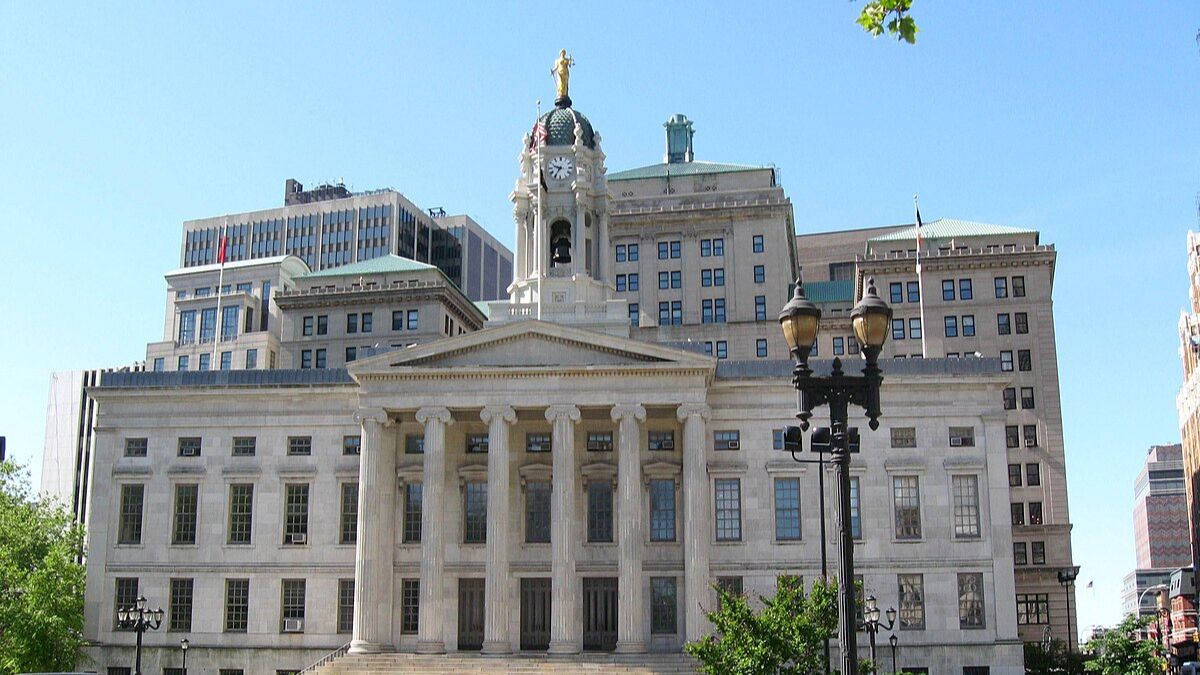
Brooklyn Borough Hall. Photo: Wikimedia Commons, Jim.henderson. Modifications: Photo cropped.
Editor’s note: Mayor Adams celebrated the passage of this new zoning pan that was recently approved. This will bring construction jobs to the area along with new affordable housing units for local residents.
Although New York City was the first city in the United States to implement comprehensive citywide zoning, it is one of the few major cities in the world without a comprehensive plan to guide future growth. In its absence, the City relies primarily on zoning to steer land use decisions that affect the type and extent of development that happens. This approach makes it hard to prepare for growth equitably, invest in the necessary infrastructure, and address long-standing economic disparities between neighborhoods.
MAS has long called for comprehensive planning that balances future growth with equity, preservation, and sustainability. In our 2021 policy brief, MAS outlined how the City could build such a framework. Brooklyn Borough President Antonio Reynoso’s recently published 2025 Comprehensive Plan for Brooklyn builds on our recommendations, offering a detailed blueprint with over 100 maps that identifies where services and housing are most needed and provides guidance for more coordinated development.
MAS applauds Borough President Reynoso for advancing this work and for renewing his call for a citywide plan, which would mandate a comprehensive planning process every 10 years. As part of the Thriving Communities Coalition, MAS continues to push for a framework that centers racial and economic equity, community input, and livability across all five boroughs.
-
View the Comprehensive Plan for Brooklyn here.
-
Read the MAS policy brief on comprehensive planning here.
-
Watch the MAS Towards Comprehensive Planning event with opening remarks from Borough President Reynoso here.
City Planning Commission Approves the OneLIC Long Island City Neighborhood Plan; Next Stop is City Council

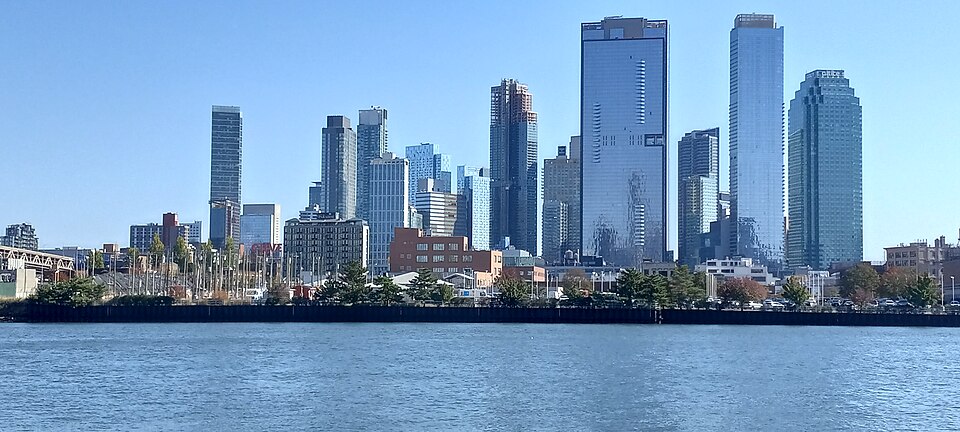
Long Island City waterfront. Photo: Wikimedia Commons, Kidfly182. Modifications: Photo cropped.
The City Planning Commission (CPC) has approved the Long Island City Neighborhood Plan (OneLIC), an expansive rezoning that is expected to bring almost 40,000 new residents and over 17,000 new units to the area over the next ten years. The City Council now has 50 days to review and vote on a project. If approved, OncLIC could bring almost 5,000 affordable units to the area under the City’s Mandatory Inclusionary Housing (MIH) plan.
MAS supports the addition of affordable housing; however, with almost 22 million square feet of expected new development under the plan—four million more than Hudson Yards, MAS has raised concerns over infrastructure investments needed to mitigate flooding (already a problem in the neighborhood) and accommodate for the anticipated future growth, as well as the pronounced lack of open space in the area. In February, MAS co-sponsored a panel with the American Planning Association with community stakeholders and housing advocates to discuss the rezoning and growth in Long Island City.
-
Read the MAS op-ed on “Let’s not repeat the unintended consequences of rezoning in LIC,” here.
-
Watch a recording of “The Future of Long Island City: A Conversation” here.
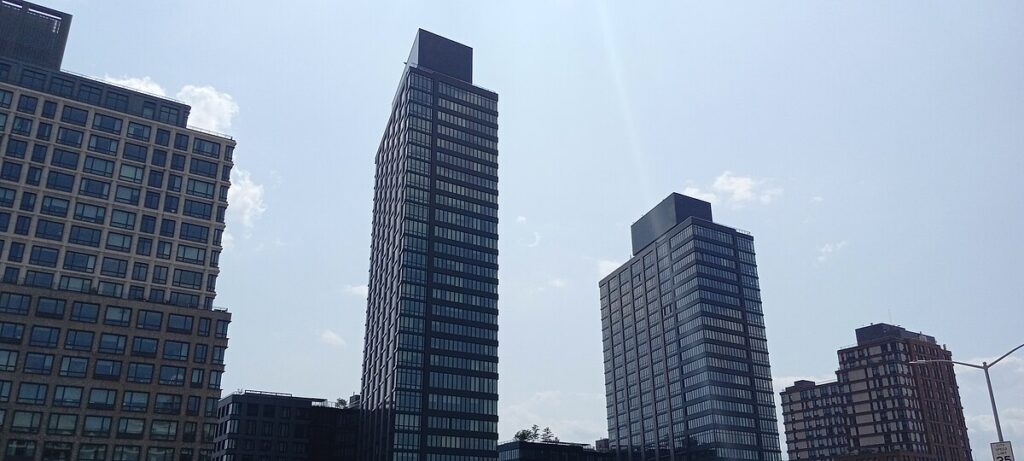
Banner Image: Pacific Park, Brooklyn. Image Credit – Wikimedia Commons, Kidfly182.
Municipal Arts Society Of New York


The Municipal Art Society of New York (MAS) lifts up the voices of the people in the debates that shape New York’s built environment and leads the way toward a more livable city from sidewalk to skyline. MAS envisions a future in which all New Yorkers share in the richness of city life—where growth is balanced, character endures, and a resilient future is secured. Over more than 125 years of history, our advocacy efforts have led to the creation of the New York City Planning Commission, Public Design Commission, Landmarks Preservation Commission, and the Tribute in Light; the preservation of Grand Central Terminal, the lights of Times Square, and the Garment District; the conservation of more than 50 works of public art; and the founding of such civic organizations as the Public Art Fund, the New York Landmarks Conservancy, P.S. 1, the Historic Districts Council, the Park Avenue Armory Conservancy, and the Waterfront Alliance.