


Editor’s note: As we’ve previously reported, cannabis and its derivatives have been shown to replace multiple classes of pharmaceuticals, while having few side effects and, moody importantly, no toxicity. No deaths from cannabis have EVER been reported. The same cannot be said for other Schedule I drugs.
As stated in the DEA’s factsheet about marijuana, “No deaths from overdose of marijuana have been
reported.” And according to research from the NIH, “Risk of death due to cannabis toxicity is negligible…”
We asked Attorney Joshua Bauchner the following questions about the most recently passed Continuing Resolution, which made some changes to the definitions of hemp and cannabis and what can legally be grown in the US:
1- Does this CR supersede the most recently passed (2018) Farm Bill with regard to rules and laws about hemp and what makes cannabis legally growable in the US? Or have the definitions changed of what is legally considered hemp and what is considered marijuana based on THC content (including changes that would affect Delta-8 and THC-O)?
Yes, it supersedes the Farm Bill which, technically, is supposed to be renewed every five years, but does not go into effect until one year from passage, or November 2026, to permit further regulation, particularly at the state level.
2- Does this change what can legally be sold, or would this still be dependent on new definitions by the FDA before enforcement can occur?
Yes, it completely changes what is legal. The distinction between hemp and marijuana is a fiction without scientific basis. In theory, hemp is not psychoactive and marijuana is. They both come from the same cannabis sativa plant. However, the threshold for that determination varies significantly based on the product and the consumer. The CR looks to a Total THC measure, rather than just Delta-9 THC.
3- What does this mean for enforcement on the federal level of violations, and does it change anything for New York businesses who were operating legally previously according to laws and recent court decisions?
Enforcement is tabled for the year before implementation and modification. The cannabis and hemp space is one of the most dynamic regulatory environments on Earth. What is legal one day is illegal the next, making compliance a costly hardship undermining the viability of the (mostly) small businesses operating in the space.
4- Will this have an effect on the legal cannabis industry that was based on these provisions in the previous law, whether locally or nationwide?
Congress created a viable and robust hemp industry through the passage of the 2018 Farm Bill. Unfortunately, this created a fictional distinction between hemp and marijuana, both of which come from the same cannabis plant. Rather than destroy the hemp industry (at the request of the liquor and marijuana industries) the better course would have been to create a safe and regulated market for all cannabis; intoxicating hemp, medicinal and adult-use marijuana, and everything in between. By fabricating two “types” of cannabis, two industries — one legal (hemp) and one illegal (marijuana) at the federal level — multiple, distinct state regulatory programs, and enticing farmers, manufacturers, and retailers to participate, Congress created a wholesale mess and, in typical fashion, tried to fix that mess by covering it up with an even bigger mess – at the loss of jobs and livelihoods.
5- Is this expected to be challenged in the courts to their knowledge?
Not yet, but there likely will be court challenges if further legislation maintains the prohibition on intoxicating hemp products.
6- Have there been any changes regarding banking for legally licensed cannabis businesses operating either under the Farm Bill or under their local state laws and licenses for medical and recreational cannabis?
Sadly, no. The federal prohibition makes traditional banking nearly impossible.
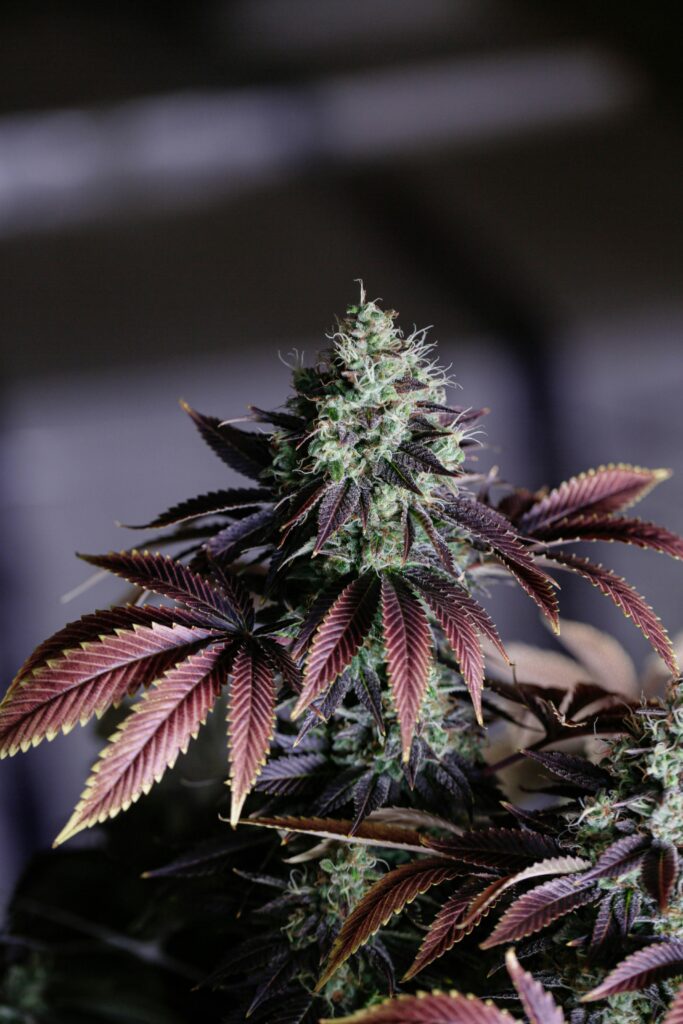
Banner Image: Cannabis plant. Image Credit – Diyahna Lewis
Joshua S. Bauchner Mandelbaum Barrett PC


Joshua S. Bauchner serves as the chair of the Cannabis, Hemp and Psychedelics Practice Group and is a partner in the Litigation, Bankruptcy, Landlord/Tenant, Construction, and Employment practice groups. He brings a depth of experience and dedication to his practice, where he is involved in complex commercial and securities litigations, class actions, and bankruptcy-related matters. He also successfully handles numerous appeals in state and federal court. His areas of specialization include: enforcement of commercial contracts such as lease agreements, guaranties, purchase and sale contracts, and commission agreements; litigation of partnership disputes; class action prosecution and defense; claims originating from insurance coverage denials; employment litigation including FLSA, ADA, ADEA, Title VII, and analogous state law claims; and defense against commercial landlord/tenant and foreclosure actions.