


No Kings Protests Inspire Legislation, Consequences Of OBBBA On Insurance Coverage For New Yorkers, Report On Harms To Seniors, NY Medicaid Funding Cuts, HHS Should Return To Data-Based Health, DOD AI Use: Senator Gillibrand
Editor’s note: See our coverage of the No Kings protest on Staten Island, along with a video from Minnesota’s rally. Also, to update on the payment status of TSA workers, President Trump, after eight weeks of unpaid work, has signed an Executive Order making it so that these important employees will finally be paid. See below for a virtual press conference with Senator Gillbrand about the report she released:

AS NO KINGS PROTESTS TAKE PLACE NATIONWIDE, GILLIBRAND ANNOUNCES BILL TO BAN SITTING PRESIDENTS FROM PLASTERING THEIR NAME OR LIKENESS ON FEDERAL PROPERTY AND CURRENCY
Washington, D.C. – Today, as Americans across the country protest the Trump administration’s corruption and chaos as part of the third No Kings Day of Nonviolent Action, U.S. Senator Kirsten Gillibrand (D-NY) announced that she will be introducing new legislation to bar the use of a sitting U.S. president’s name, image, likeness, or signature to decorate or designate federal property, assets, or currency.
“In America, we do not bow to kings,” said Senator Gillibrand. “Our president should be focused on bringing down grocery prices, making health care affordable, and ensuring every family can get ahead, not using their position to boost their own personal brand. It is time that we institute this ban and make sure that our government serves the people, not one person’s ego.”
This bill, which Senator Gillibrand plans to introduce in the next Senate working period, would include prohibitions on actions such as hanging banners with a sitting president’s face on the side of federal buildings; naming a class of warships after a sitting president; tacking the sitting president’s name onto the name of an existing federal building; depicting a sitting president on a federally issued commemorative coin; or placing a sitting president’s signature on U.S. paper currency.
Gillibrand Slams President Trump and Congressional Republicans for Gutting Health Care for New Yorkers
Today, U.S. Senator Gillibrand slammed congressional Republicans and the Trump administration for gutting health care for hundreds of thousands of New Yorkers.
This week, as a direct consequence of President Trump’s and Republicans’ so-called “Big Beautiful Bill,” 450,000 New Yorkers received notice that they will no longer qualify for the state’s Essential Plan beginning on July 1.
Trump’s “Big Beautiful Bill” narrowed eligibility for the premium tax credits that help finance New York’s Essential Plan, which provides coverage for 1.7 million hardworking New Yorkers who do not qualify for Medicaid, CHIP, or other minimal essential coverage.
At a time when hardworking New Yorkers are already struggling to make ends meet amid rising costs in Trump’s America, these changes cut an estimated $7.5 billion annually in federal support that New York receives and create $2.7 billion in new state-only Medicaid costs. As a result, the state was forced to lower the threshold to qualify for the Essential Plan by thousands of dollars, eliminating eligibility for individuals with incomes between 200 and 250 percent of the Federal Poverty Level.
See Senator Gillibrand’s statement here:
Essential Plan enrollees in New York receive $0-premium, low-cost-sharing coverage that provides access to comprehensive health benefits. The Trump administration’s cuts will remove this option for hundreds of thousands of hardworking families. For example, a single New Yorker with an annual income of $31,300-$39,125 will lose their health care coverage under the Essential Plan.
Senator Gillibrand has heard from constituents across the state about the impact of the Trump administration’s cuts. One constituent asks, “Do I pay to have coverage and be healthy or feed my family? This is what it comes down to. I’m always going to choose my family. So now, if I go to the doctor for my debilitating migraines, or my diabetes, or need emergency care, I’ll have to pay even more out of pocket because I can’t afford monthly premiums.”
Another New Yorker shares, “I depend on my health insurance for daily medication, frequent appointments, and procedures. I’m a New Yorker that has worked full time since I was 19 and still can’t get ahead in life…I can’t afford to see my doctors without insurance and my employer plan is unaffordable. What am I supposed to do?”
Senator Gillibrand will continue to fight against Republican health care cuts.
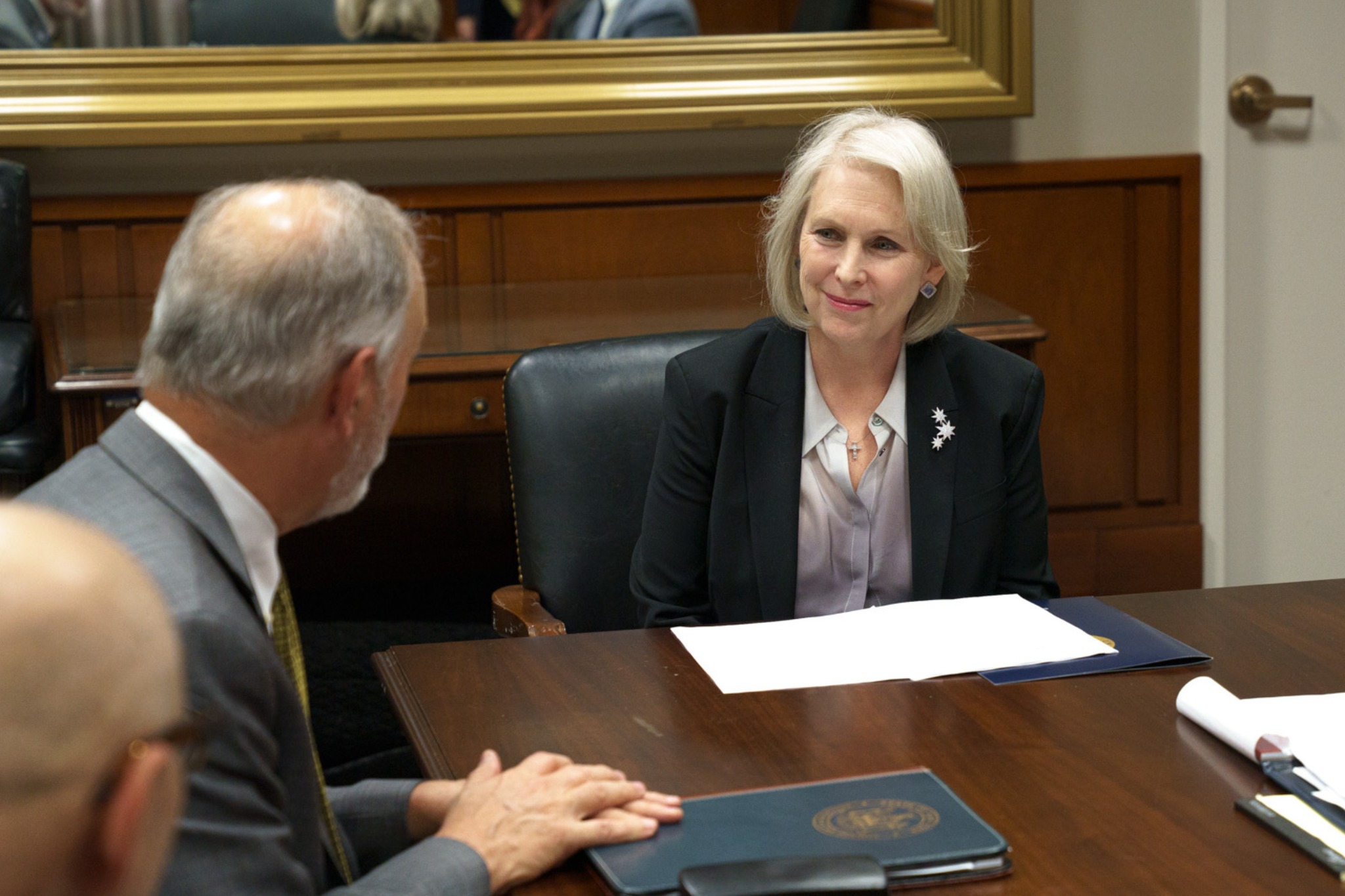
It was wonderful to sit down with The City University of New York Chancellor Félix Matos Rodríguez and talk about exciting plans for our CUNY colleges across New York City!
Gillibrand Slams Trump’s Move To Restrict Voting
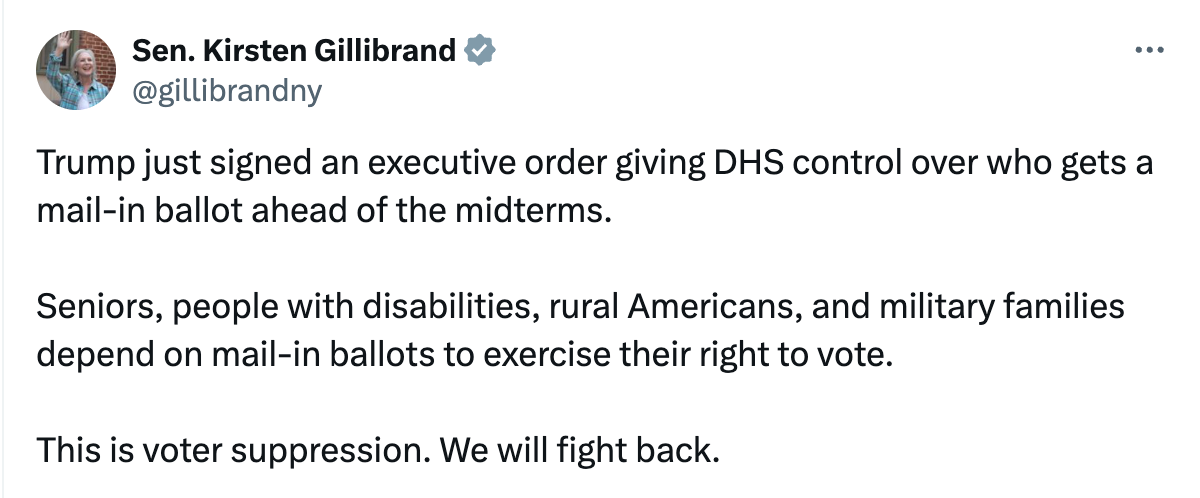
On March 31st, President Trump signed an executive order that would create a national list of citizens to determine voting eligibility and restrict mail ballots.
I wanted to flag Senator Gillibrand’s response to this order in case it is useful for your coverage.
President Trump’s voter suppression efforts stand in stark contrast to Senator Gillibrand’s efforts to protect and expand voting rights. Last week, Gillibrand reintroduced the Voter Empowerment Act, which would modernize America’s voter registration system and protect voting rights. Additional information about this legislation can be found here.
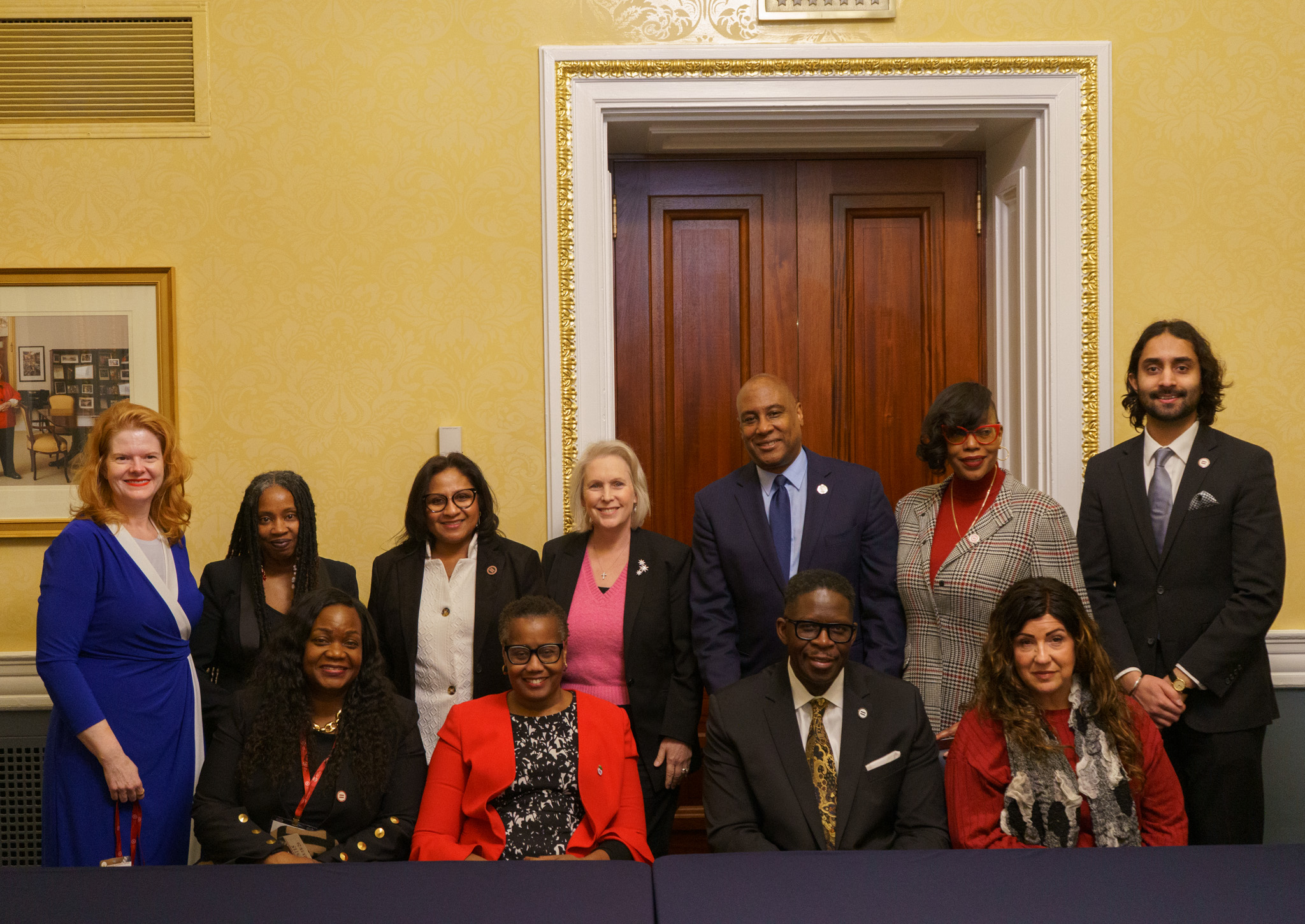
I was glad to meet with members of the leadership team at The National Urban League to discuss investments in New York communities and share my commitment to safeguarding voting rights.
GILLIBRAND TO HOLD VIRTUAL PRESS CONFERENCE, RELEASE ORIGINAL REPORT DETAILING TRUMP’S EXTENSIVE HARM TO SENIORS
Washington, D.C. – Wednesday, March 25, at 11:00 AM: U.S. Senator Kirsten Gillibrand (D-NY) held a virtual press conference to discuss the harm caused by President Trump’s attacks on Social Security, Medicaid, nutrition assistance, and other programs that seniors rely on.
Gillibrand will also release a new report detailing the many ways that the Trump administration harmed seniors during the president’s first year in office.
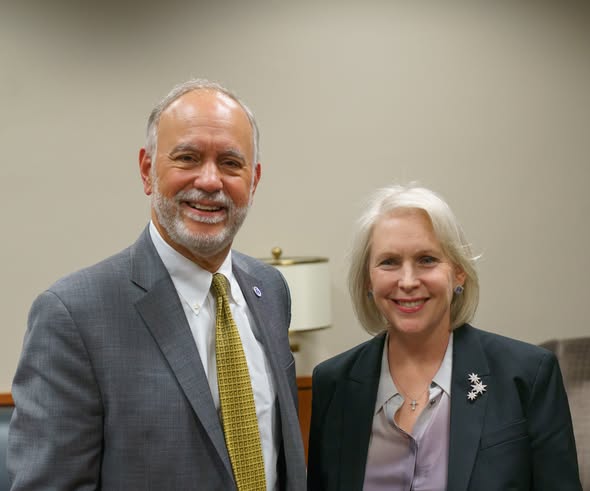
It was wonderful to sit down with The City University of New York Chancellor Félix Matos Rodríguez and talk about exciting plans for our CUNY colleges across New York City!
GILLIBRAND, SCHUMER, WYDEN, DUCKWORTH, COLLEAGUES PRESS TRUMP ADMINISTRATION OVER THREATS TO CUT MEDICAID FUNDING TO NEW YORK STATE
Withholding hundreds of millions in Medicaid funding will jeopardize New Yorkers’ access to essential care and services
Washington, D.C. – Today, U.S. Senators Kirsten Gillibrand (D-NY), ranking member of the Senate Aging Committee; Chuck Schumer (D-NY), Senate Democratic Leader; Ron Wyden (D-OR), ranking member of the Senate Finance Committee; and Tammy Duckworth (D-IL) led Senate Democratic colleagues in demanding an immediate end to the Trump administration’s threats to cut Medicaid funding in New York, California, Maine, and other states led by Democratic governors.
In a new letter to the White House, the Department of Health and Human Services, and the Centers for Medicare & Medicaid Services, the senators called out arbitrary investigations and cuts to Medicaid programs driven by unfounded claims of fraud.
“The Trump administration’s threats are a betrayal of the millions of Americans who rely on Medicaid,” said Senator Gillibrand. “President Trump should be focused on bringing down costs for American families, not playing political games with the benefits that so many New Yorkers rely on to get care. This is unacceptable, and I will do everything in my power to ensure funding is protected.”
In addition to Senators Gillibrand, Schumer, Wyden, and Duckworth, the letter was signed by Senators Angela Alsobrooks (D-MD), Bernie Sanders (I-VT), Jeff Merkley (D-OR), Cory Booker (D-NJ), Chris Van Hollen (D-MD), Ed Markey (D-MA), and Elizabeth Warren (D-MA).
“Let us be clear: you are not going after the real fraudsters,” the senators wrote. “Instead, under the guise of ‘program integrity,’ you are cutting off vital funding for services that seniors, people with disabilities, and children rely on to survive and thrive in their communities.”
The senators continued, “Your decision to arbitrarily withhold massive amounts of federal matching funds is a direct attack on older Americans, children, and adults with disabilities, and the workers who deliver this essential home-based care.”
Medicaid Home- and Community-Based Services (HCBS) allow older adults and people with disabilities to receive services in their home and communities. This is a lifeline that lets these populations live and age with dignity in the setting of their choice. Cuts to Medicaid HCBS would cause states to halt payments and scale back programs, forcing Americans who need long-term support into more costly and restrictive institutions, like nursing homes, and shutting down home care agencies and independent care workers.
The full text of the letter can be found here or below.
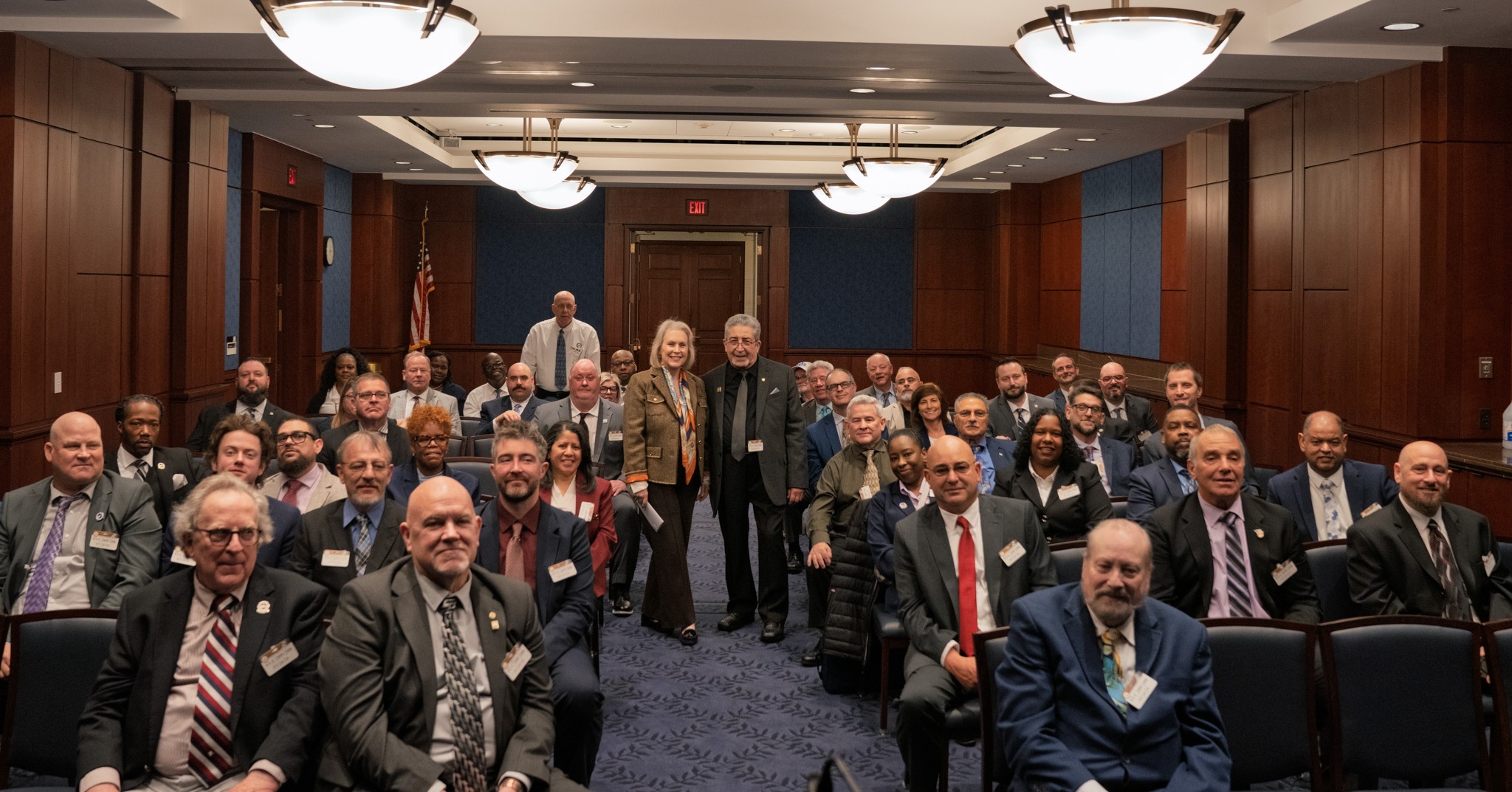
Always grateful to meet with members of the NYS Association of Letter Carriers!
Dear President Trump, Vice President Vance, Secretary Kennedy, and Administrator Oz:
We write to you today on behalf of the millions of Americans who rely on Medicaid to live safely and independently in their communities. We demand an immediate end to the administration’s politicized crusade against states like Minnesota, California, Maine, New York, and other states led by Democratic governors.
Let us be clear: you are not going after the real fraudsters. Instead, under the guise of “program integrity,” you are cutting off vital funding for services that seniors, people with disabilities, and children rely on to survive and thrive in their communities. This summer, you and Congressional Republicans enacted the largest Medicaid cuts in history. Your latest campaign to withhold hundreds of millions of dollars from blue states is a thinly veiled attempt to pull the wool over Americans’ eyes and shift the blame for your catastrophic cuts onto Governors.
Your sudden “crusade against fraud” is insulting to anyone paying attention to your actual record. If this administration actually cared about reducing fraud and protecting taxpayer dollars, why did you fire at least 15 independent Inspectors General during your very first week in office? There is no acceptable fraud, nor should Congress or the Administration tolerate any wasteful spending of taxpayer funding. Fraud against Medicaid programs has occurred in every state—both red and blue—and robust processes, including Medicaid Fraud Control Units (MFCUs), already exist to identify and address it. However, if program integrity is truly the goal, why is the administration pardoning convicted fraudsters? Instead of policing corruption, you are weaponizing the federal government against seniors, people with disabilities, and hardworking families.
The administration is falsely maligning Home and Community-Based Services (HCBS)—the very services that keep people out of institutions—as inherently fraudulent. Your characterization of spending growth in personal care and HCBS as evidence of program integrity risk is senseless. Growth in HCBS means that states have successfully implemented the federal mandate to shift away from institutional care toward community-based care. This is a success story, not a scandal. This growth is not evidence of weak oversight; it is the predictable, intended, and celebrated result of decades-long federal and state rebalancing policies that the Centers for Medicare & Medicaid Services (CMS) itself designed and promoted.
Your decision to arbitrarily withhold massive amounts of federal matching funds is a direct attack on older Americans, children and adults with disabilities, and the workers who deliver this essential home-based care. Funding freezes force states to halt payments and scale back programs. Without home care, Americans who need long-term services will be forced into nursing homes and institutions—a devastating rollback of civil rights that will ultimately cost taxpayers more. Furthermore, home care agencies and independent care workers, who already operate on razor-thin margins while following the law, will be forced to shut their doors.
Rather than vilify children with disabilities and seniors aging at home, Democrats have consistently proposed solutions to root out actual wasteful spending. While you fired the very watchdogs responsible for prosecuting fraud, Democrats have proposed doubling down on anti-fraud programs that return up to $11 for every $1 spent. In 2021, without a single Republican vote, Democrats secured nearly $40 billion in Medicaid support to expand access to home-based care, boost workforce recruitment amid dire shortages, and increase wages for workers.
Meanwhile, Republican cuts to Medicaid are already denying services to families, like capping occupational, speech, and physical therapy visits. These cuts harm Americans in communities all across the country. For example, Theresa and her sister Nellie, now in their 60s, were born with muscular dystrophy that weakened their muscles over time and are now both wheelchair dependent. Both rely on personal care services provided through California’s HCBS program, called the In Home Supportive Services (IHSS) program for their daily activities, including getting in and out of bed, dressing, showering, and preparing food. Since they’ve started receiving care at home, both Theresa and Nellie have been able to start working. Their caregiving attendant helps them get ready every morning, including helping Nellie get to public transportation that takes her to her job. She then assists Theresa in settling into her home office where she can get onto her morning Zoom meetings.
In Teresa’s words: “I don’t think I could be on my own without IHSS. I wouldn’t be safe at all and I don’t know how long I would last without an injury. And I wouldn’t be able to work. I would not be able to get ready for the day, or to eat, or to go to in-person work events. Because IHSS allows me to work, I don’t depend on SSI anymore and our life is decent. We don’t have a lot but we have enough–we have a cat, bird feeders, have a decent living room that’s wheelchair accessible, a little bit of furniture. We have the basics, everything we need to be happy.”
Just like Theresa and Nellie, Medicaid HCBS is a lifeline for Patty and Katina. Patty from Tigard, Oregon, left her career as a therapist to become a Personal Support Worker (PSW) so she could care for her adult daughter, Katina, who has Down Syndrome, and requires 24/7 support for her safety. Patty becoming a PSW after Katina graduated from high school not only allowed Katina to live in her community but has had an enormous impact on the family’s financial stability. Prior to becoming a PSW, Patty relied on social security disability payments as the family’s sole source of income, and they were barely able to make ends meet. At one point, the family went into foreclosure and almost lost their home. Becoming a PSW has meant that not only does Katina have full-time care that allows her to live as an adult in her community, but the family has become financially secure enough to not have to rely on Social Security payments to live. Patty worries that Medicaid cuts will mean that she will no longer be able to be paid to be Katina’s caregiver. This would force their family into financial ruin and Katina into a facility, which is much more expensive and not what either she or Katina want.
For millions, Medicaid HCBS prevents more costly and restrictive care in residential facilities. Jennifer from Harrison, NY has a young adult son, Philip, who has an intellectual disability and autism. In her words – “He is 24 and is living a fulfilling life due to the support he receives from Medicaid HCBS. Philip has received job training in the community, job coaching in the community, participates in the local YMCA, local riding programs, recreation programs and a day program. He would likely be doing none of these things if it weren’t for Medicaid HCBS. He would be sitting in the house alone. My husband and I both work full time. His siblings are all either in college or working and living on their own, Philip would be sitting in the house staring at the walls. That would dissolve into depression and accompanying poor behavioral control. We’ve been there before and we don’t want to go back to those days in and out of the hospitals. Now Philip has a full life. He has friends, a community, a social life, and he is working towards a work life. He has all of this because of Medicaid HCBS.”
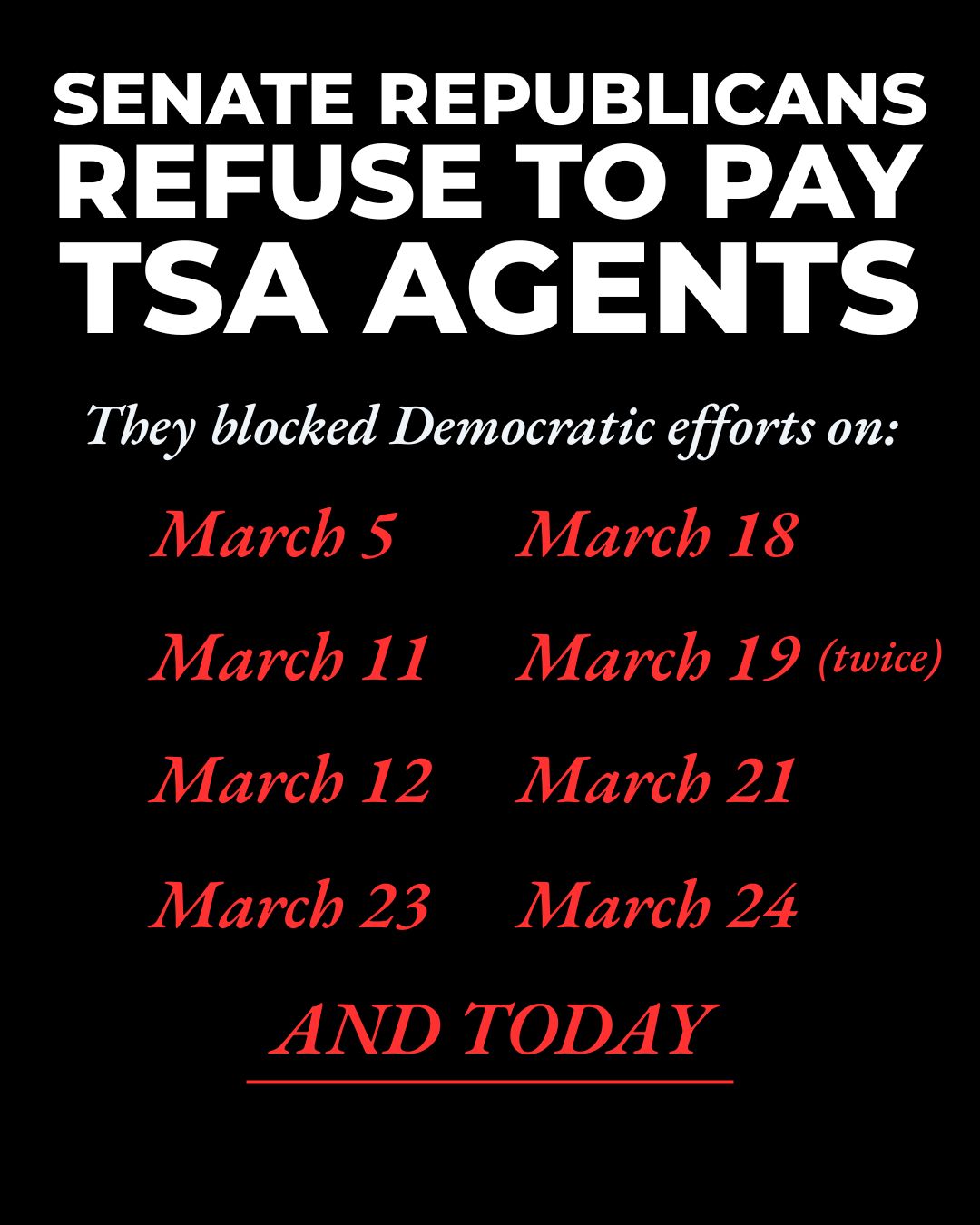
Senate Democrats have been trying to pay TSA workers for WEEKS, and Senate Republicans have blocked those efforts every single time.
GILLIBRAND, COLLEAGUES URGE HHS DIRECTOR KENNEDY TO RETURN TO DATA-BASED, COST-EFFECTIVE PREVENTIVE HEALTH
Washington, D.C. – Today, U.S. Senator Kirsten Gillibrand (D-NY), the top Democrat on the Senate Aging Committee, joined Senate colleagues in calling for a return to evidence-based, cost-effective preventative health services after a key federal oversight group has been dormant for over a year. In a letter to Secretary of Health and Human Services Robert F. Kennedy, Jr., the senators raised concerns that the United States Preventive Services Task Force (USPSTF) has not met for a full year, which is delaying critical decisions that directly affect health outcomes.
“Preventative health services help ensure that people can live longer, healthier lives,” said Senator Gillibrand. “By leaving the USPSTF dormant, the Trump administration and Secretary Kennedy are jeopardizing Americans’ access to lifesaving interventions, services, and guidance, putting their health and safety at risk. I’m urging the Secretary to stop playing games with Americans’ lives and resume this important work.”
The USPSTF helps people of all ages stay healthy and live well for years to come, as setting up healthy practices ahead of time often result in longer lives and better outcomes. The panel is responsible for reviewing evidence in preventive medicine to help guide clinical practice and improve the health of the American people. Evidence-based recommendations empower patients and their clinicians to make informed choices regarding preventive care.
“Since its inception in 1984, the United States Preventive Services Task Force (USPSTF or Task Force) has issued nearly 300 evidence-based recommendations across 90 different topics to support preventive care, ensure that health care services are affordable, and help people live longer, healthier lives,” the senators said. “The independence and scientifically-backed nature of the Task Force is paramount to its operations, and we urge that the future work of USPSTF, including meetings, agendas, appointments of new Task Force members, and revisions of recommendations, continues to adhere to principles of independence and scientific rigor.”
The senators continued, “As a result of Task Force recommendations, preventive health services are accessible for all Americans and save lives through screenings for heart disease, screenings for breast, colorectal, cervical, and lung cancer, folic acid supplements for pregnant women to prevent birth defects, behavioral counseling, prevention of maternal depression, childhood vision screenings, adult diabetes screenings, and many more.”
“Preventive services can help people avoid acute illness, identify and treat chronic conditions, prevent cancer as well as lead to earlier detection, improve health outcomes, and reduce the burden of end-stage chronic disease. To that end, we look forward to hearing from you in response to these questions, and urge that the administration prioritize resuming the cost- and life-saving work of the Task Force,” the senators concluded.
In addition to Senator Gillibrand, the letter was signed by Senate Democratic Leader Chuck Schumer (D-NY) and U.S. Senators Angus King (I-ME), Patty Murray (D-WA), Elizabeth Warren (D-MA), Bernie Sanders (I-VT), Richard Blumenthal (D-CT), Chris Van Hollen (D-MD), Angela Alsobrooks (D-MD), Richard Blumenthal (D-CT), Lisa Blunt Rochester (D-DE), Tammy Duckworth (D-IL), Dick Durbin (D-IL), Amy Klobuchar (D-MN), Ben Ray Luján (D-NM), Ed Markey (D-MA), Jeff Merkley (D-OR), Alex Padilla (D-CA), Jack Reed (D-RI), and Jacky Rosen (D-NV).
The full text of the letter can be found here and below.
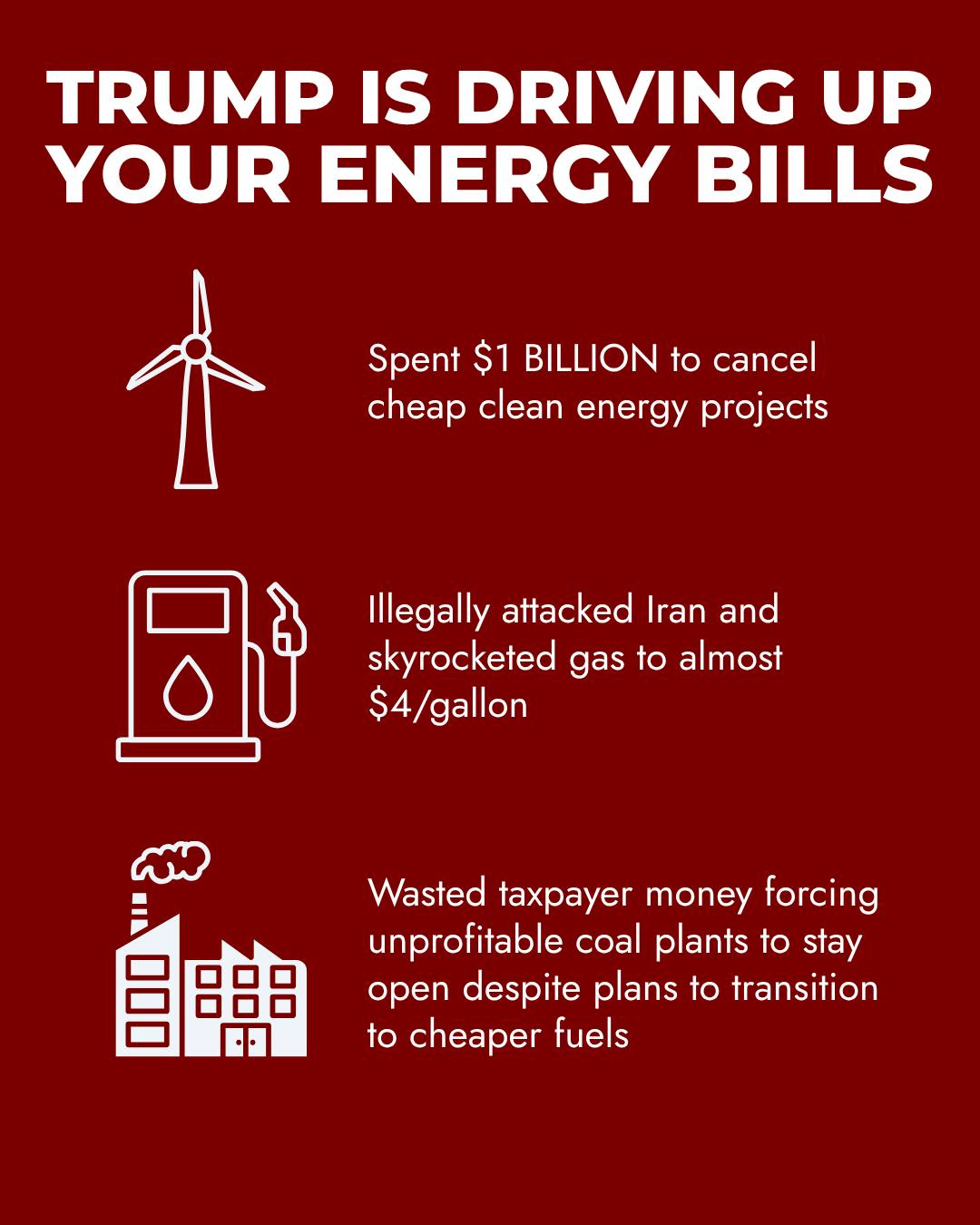
Trump is driving up energy bills, forcing New Yorkers to pay more to heat their homes and fill their gas tanks.
Dear Secretary Kennedy:
Since its inception in 1984, the United States Preventive Services Task Force (USPSTF or Task Force) has issued nearly 300 evidence-based recommendations across 90 different topics to support preventive care, ensure that health care services are affordable, and help people live longer, healthier lives. Section 2713 of the Public Health Service Act (as added by the Affordable Care Act) mandates that USPSTF recommendations that receive an “A” or “B” rating be provided to enrollees at no cost. The USPSTF recommendations impact access and affordability for these life-saving interventions for all Americans. The Task Force has not met for a full year – the first time it’s not met consistently in at least a decade – delaying critical decisions that directly impact the health of Americans. It should restart its work immediately and without political interference. The independence and scientifically-backed nature of the Task Force is paramount to its operations, and we urge that the future work of USPSTF, including meetings, agendas, appointments of new Task Force members, and revisions of recommendations, continues to adhere to principles of independence and scientific rigor.
USPSTF is a scientifically independent volunteer panel of national experts in prevention and evidence-based medicine that is established in law. The mission of the Task Force is to systematically review the best available evidence to develop recommended preventive services, such as cancer screenings and more, to help guide clinical practice and improve the health of the American people. The independent and scientifically-backed nature of the Task Force is paramount to its operations, and was recently affirmed by the Consolidated Appropriations Act, 2026 (P.L. 119-75), which provided over $11.5 million in funding for the Task Force and directed members of the USPSTF to “continue to uphold their mission and commitment to scientific evidence, transparency, and ensuring that Americans have access to affordable preventive health services.”
Based on USPSTF recommendations, insurers must provide coverage without cost-sharing for preventive services that have been proven to prevent disease based on evidence and empirical research. As a result of Task Force recommendations, preventive health services are accessible for all Americans and save lives through screenings for heart disease, screenings for breast, colorectal, cervical, and lung cancer, folic acid supplements for pregnant women to prevent birth defects, behavioral counseling, prevention of maternal depression, childhood vision screenings, adult diabetes screenings, and many more.
USPSTF recommendations have directly impacted millions of Americans, enabling them to have potentially fatal or debilitating conditions diagnosed at much earlier stages, thereby affording them a greater chance of living longer, healthier lives.
The Task Force membership historically has been comprised of experts in clinical medicine, scientific research, and public health. Its members are extensively vetted for conflicts of interest, and their service is completely voluntary and uncompensated. USPSTF’s process for developing recommendations and its agenda is transparent to the public and based on high quality, methodologically sound, scientifically defensible, reproducible, and unbiased scientific evidence that is rooted in a clearcut process laid out in the Task Force’s procedure manual.1 Thus, the Task Force’s recommendations can be considered neutral, unbiased and evidence-based by all stakeholders: policy makers; payers; providers; and most importantly the public.
However, we are particularly troubled by actions that have effectively rendered the Task Force dormant, and brought its life-saving work to a grinding halt. While the procedure manual clearly dictates that it is supposed to meet three times per year,2 the Task Force only met once last year. The July meeting was abruptly cancelled two days before USPSTF was scheduled to meet, and the November meeting was cancelled amidst the government shutdown. And HHS just recently confirmed that the March 2026 meeting has been cancelled.3 Without these meetings, the Task Force cannot vote on or move forward on its work, including recommendations and research plans. CNN has reported that in addition to previous departures due to Reduction in Force and Deferred Resignation Program efforts, much of the Agency for Healthcare Research and Quality (AHRQ) staff that support the Task Force have left in recent weeks, further reducing the ability of the Task Force to function.4 As noted in the procedure manual, USPSTF meetings are used for formal votes for procedural and methodological decisions, for draft and final recommendations, and to reconsider the grade of previously voted recommendations.5 As the work of the Task Force languishes absent meetings, we are extremely concerned that the Administration is allowing the incredibly important work of USPSTF to stagnate.
Additionally, the terms of five of the sixteen Task Force members expired in December without any indication from the Department about the process to extend appointments or replace the members. Going back to at least 2002, HHS under Democrats and Republicans (including under President Trump’s first term) has consistently used either the Federal Register or the Task Force’s website to announce and solicit requests for nominations.7
However, previous reporting from the Wall Street Journal suggests that you may look to remove the entirety of the Task Force.8 While the Supreme Court affirmed the Secretary’s authority to appoint and remove Task Force members at will in Kennedy v. BraidwoodManagement, Inc., we are concerned that you may appoint unqualified members to the Task Force, as you have done with the Advisory Committee on Immunization Practices. Doing so could undermine longstanding preventive health coverage policies, totally abandon any sense of continuity or institutional memory on the Task Force, and could directly harm patients by limiting access to cost- and life-saving preventive services.
Following the repeated cancellation of meetings and with a diminished workforce for USPSTF, we are deeply concerned that the work of the Task Force will be irreparably hindered—jeopardizing critical access to new or updated preventive interventions, services, and guidance, and potentially leading to worse health outcomes for the American people. In addition to an inability to finalize recommendations and research plans that are languishing, the Task Force has failed to submit an annual report to Congress for the first time since it was statutorily required to.9 While the Department must now implement minimum staffing levels as a result of the Fiscal Year 2026 Labor, Health and Human Services, and Education appropriations bill,10 previous staffing cuts to AHRQ undoubtedly curtailed USPSTF’s work in 2025. Together, these developments leave us extremely worried about the work of the Task Force going forward.
Given the diminished activities last year, potential for detrimental upheaval within the Task Force, and possibility that USPSTF may no longer be guided by integrity, independence, scientifically-backed processes, or evidence-based recommendations, we request answers to the following questions by April 15, 2026:
- As required by the Public Health Service Act (42 U.S.C. 299b-4(2)(F)), the Task Force is required to submit an annual report to Congress identifying gaps in research, such as preventive services that receive an insufficient evidence statement, and recommending priority areas that deserve further examination, including areas related to populations and age groups not adequately addressed by current recommendations.
- When does the Department and the Task Force plan to release the 2025 statutorily required annual report?
- With two-thirds of the Task Force meetings cancelled and AHRQ’s staff cut significantly last year, what components of HHS were involved in developing the annual report?
- Were experts on clinical medicine, scientific research, and public health involved?
- The Task Force’s authorizing statute stipulates that the AHRQ Director shall convene an independent Task Force to be composed of individuals with appropriate expertise.
- The Task Force has not met since March of last year, and the July and November meetings were not rescheduled. Please share the justification for the cancellation of the March 2026 meeting, and when the Task Force will next meet.
- The Task Force has had five vacancies since December 2025. Will the Task Force or Department solicit through the Federal Register or Task Force website a request for nominations? If so, when will that process begin? If not, will the process otherwise provide opportunity for public review and input?
- Unless it is already underway, when new potential Task Force members are undergoing vetting, will their qualifications be transparently judged on previous metrics and relevant expertise?
- As stipulated within the authorizing statute, the Task Force shall review the scientific evidence related to the effectiveness, appropriateness, and cost-effectiveness of clinical preventive services for the purpose of developing recommendations for the health care community, and updating previous clinical preventive recommendations, for individuals and organizations delivering clinical services.
-
- In making changes for vaccine coverage, you and your hand-picked ACIP have baselessly and without evidence made changes to vaccine schedules including for SARS-CoV-2 and the Childhood and Adolescent Immunization Schedule, resulting in professional societies making their own declarations for appropriate vaccine schedules and policies. A preliminary ruling in American Academy of Pediatrics v. Kennedy found that your previous efforts to dismantle ACIP and make changes to the childhood vaccine schedule were likely illegal.
- How will the Task Force make recommendations going forward?
- When, if not now, will the Task Force or HHS determine whether to re-examine existing evidence-based recommendations?
iii. Will USPSTF continue to rely on the processes and guidelines laid out and prescribed under the Task Force’s procedures manual?
- If there are changes to the procedures manual processes, will you look to maintain transparency, scientific rigor, and independence of the process by requesting public input for any process changes?
- On President Trump’s first day in office, he issued a number of Executive Orders including an Executive Order on Ending Radical And Wasteful Government DEI Programs And Preferencing. This has led to the cancellation of grants and programs across HHS related to gender- and racial-based work.
-
- Many USPSTF recommendations incorporate age-, gender-, or race-specific guidance because the evidence and data clearly demonstrate that there are risks for these specific populations, and that targeted interventions can prevent disease. Of note, recommendations that incorporate factors such as age, gender, race etc. do not do so as a matter of “DEI”, but rather because the scientific evidence suggests that certain populations are at greater risk for the disease of concern. Population-based recommendations allow policymakers, payers and providers to target screening interventions in the most cost-effective manner possible. Will there be changes to these existing recommendations to align with the President’s Executive Orders on DEI?
- Will the Task Force continue to make recommendations based on the evidence and data, even when the evidence and data require those recommendations to be age-, gender-, or race-specific?
- We are concerned that the Task Force, under your guidance, may re-examine recommendations for the prescribing of preexposure prophylaxis (PrEP). Please share if you plan to direct them to do so.
You have said you aim to “Make America Healthy Again” by addressing chronic disease; however, you are not prioritizing the maintenance, support, and continuation of the USPSTF. As you know, the most common causes of chronic disease in the United States include tobacco use, obesity, high blood sugar, hypertension, and high cholesterol, and the Task Force has made recommendations regarding prevention of all of those causes for both children and adults.
Preventive services can help people avoid acute illness, identify and treat chronic conditions, prevent cancer as well as lead to earlier detection, improve health outcomes, and reduce the burden of end-stage chronic disease. To that end, we look forward to hearing from you in response to these questions, and urge that the administration prioritize resuming the cost- and life-saving work of the Task Force.
Sincerely,
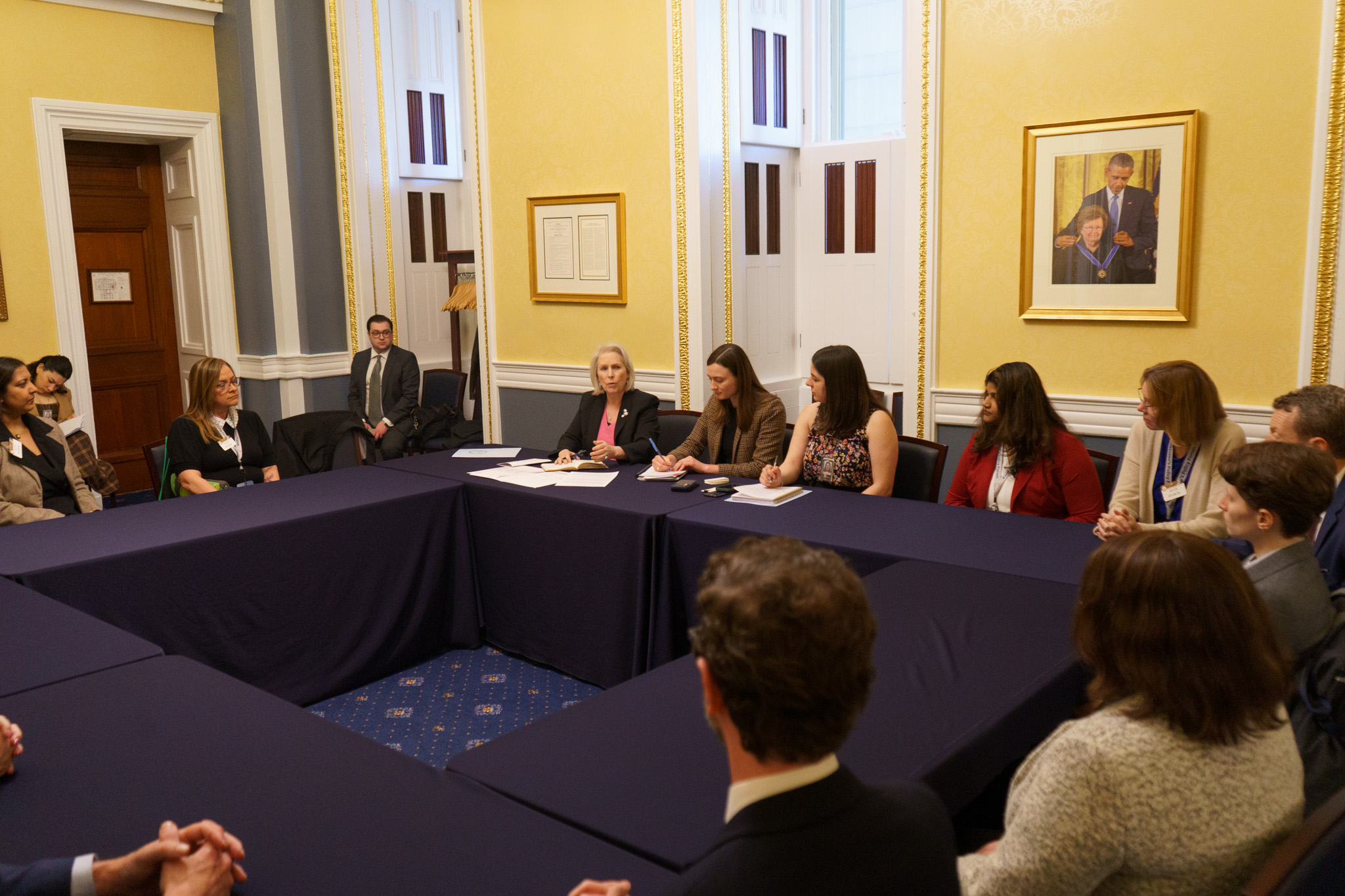
Grateful to meet with these extraordinary advocates as part of this year’s Parkinson’s Policy Forum!
The fight for a cure needs us all.
GILLIBRAND, COLLEAGUES PRESS FOR ANSWERS ON AI COMPANIES’ ENGAGEMENTS WITH DOD
Washington, D.C. – Today, U.S. Senator Kirsten Gillibrand (D-NY), a member of the Senate Intelligence Committee and Senate Armed Services Committee, joined five Senate Democratic colleagues in pressing six generative artificial intelligence (GenAI) companies for answers regarding their engagements with the Department of Defense (DoD), the rules under which DoD can access and use their technology, and the internal controls that exist in the event their technology is misused by DoD. The senators’ letters come after the Trump administration’s unprecedented decision to designate Anthropic as a supply chain risk following a dispute over DoD’s demand to use Anthropic’s AI systems with zero restrictions, including to surveil Americans and incorporate large language models into fully autonomous weapons.
“Artificial intelligence will shape the future of our economy and our national security, and the United States should be leading the world in developing it responsibly. But the Trump administration’s reckless push to strip away safeguards and punish companies that insist on basic guardrails puts Americans’ privacy and our national security at risk,” said Senator Gillibrand. “That’s why we are demanding answers from these companies about how their technology is being used and what protections are in place to prevent misuse. It is critical that tech giants take steps to ensure AI strengthens our security and our economy without putting the American people in harm’s way.”
In addition to Senator Gillibrand, the letters to the GenAI companies were signed by Senators Mark Warner (D-VA), Mark Kelly (D-AZ), Elissa Slotkin (D-MI), Tim Kaine (D-VA), and Chris Coons (D-DE). The letters were sent to xAI, OpenAI, Alphabet, Meta, AWS, and Microsoft AI.
In the letters, the senators expressed their support for the modernization of national security technologies that ensure the U.S. is defense-ready and benefiting from collaboration with the country’s leading AI innovators. However, they stressed the need to anticipate the potential failures of transformative technologies like AI and whether those potential failures stem from intentional misuse or insufficient oversight. The senators are concerned about the apparent retaliation by the Trump administration against private sector partners seeking to ensure the existence of adequate safeguards, particularly against the backdrop of DoD’s AI Strategy that appears to downplay longstanding AI governance measures.
“Recent developments concerning the Department of Defense’s approach to AI suggest a troubling disregard for the kinds of safeguards in place to ensure that AI is being adopted with robust accountability. For instance, while foundational documents – such as the National Institute of Standards and Technology’s Artificial Intelligence Risk Management Framework, the Office of Management and Budget’s Memorandum on Accelerating Federal Use of AI through Innovation, Governance, and Public Trust, and the Final Report of the National Security Commission on Artificial Intelligence – underscore the central role of governance in effective AI utilization, the Department of Defense’s January 9th Artificial Intelligence Strategy for the Department of War [sic] is conspicuously silent on this fundamental mission-enabler. While the Strategy’s emphasis on rapid adoption of commercial capabilities represents a legitimate objective, its clear disregard for mechanisms to ensure proper legal oversight (as well as meaningful test, evaluation, and validation technical safeguards) undermines U.S. security and American values,” the senators stated.
The senators continued, “A recent highly-publicized dispute between the Department and a leading American AI firm further suggests that this inattention towards – or even deliberate flouting of – AI governance may represent a systemic problem. Specifically, the Department recently rejected an existing vendor’s request to memorialize a restriction on the use of its models for fully autonomous weapons or to facilitate bulk surveillance of Americans. These concerns are not unreasonable: against the recent backdrop of DoD lethal activity in Latin America – with the routine sidelining of military attorneys and the subversion of longstanding norms on the use of lethal force – the Department’s aggressive insistence of an ‘any lawful use’ standard provides unacceptable reputational risk and legal uncertainty for American companies.”
“Equally concerning, Defense Secretary Hegseth has taken an extraordinary and unprecedented step to designate a leading American tech company as a supply-chain risk to national security, with the ostensible intent of intimidating those prospective and existing government commercial and academic partners who might seek to ensure adequate safeguards for AI in military operations. An American company fulfilling its contractual duties to the Department of Defense, while exercising its prerogative to ensure its products are lawfully, ethically, and appropriately used by the Department of Defense, is not a risk to national security or to America’s supply chain. While the ultimate responsibility for establishing robust and binding mechanisms to ensure lawful, appropriate, and effective AI rests with Congress, in the interim it is reasonable for commercial providers to ensure that products with outsized impact are governed with appropriate compliance mechanisms. Ultimately, strong AI governance for military and intelligence activity ensures the safety of servicemembers, the nation, and our allies and partners, while promoting clear and predictable norms in the face of less scrupulous adversaries,” the senators added.
The senators concluded the letters with a list of questions that will bring transparency to the required human oversight of AI models being used by DoD, the legal guidelines in place to ensure that AI models are not conducting domestic mass surveillance of Americans, the circumstances in which AI technology companies could acquiesce to any unlawful uses of their products by DoD and what responsibility they would have to notify Congress of said unlawful use, and what oversight AI technology companies would have of DoD’s military judgements, decision-making, or operations. The senators requested a response from the companies by April 3, 2026.
The full text of the letter can be found here and below.
As some of Congress’s most vocal proponents for the modernization of national security missions with transformative technology, we have actively sought to ensure that the Department of Defense and Intelligence Community are equipped with capabilities drawn from the nation’s leading innovators. These mission users – whose work has been guided by longstanding norms, legal procedures, and accountability mechanisms – benefit greatly from close collaboration with America’s leading AI and advanced compute providers.
Correspondingly, American companies generate enduring public trust when Americans associate their products with efforts that enhance national security in effective, ethical, and lawful ways. At the same time – particularly against the backdrop of numerous pressures on those longstanding norms, procedures, and accountability mechanisms – it is imperative to anticipate potential failure modes for transformational technologies like AI, whether stemming from intentional misuse or insufficient oversight.
Recent developments concerning the Department of Defense’s approach to AI suggest a troubling disregard for the kinds of safeguards in place to ensure that AI is being adopted with robust accountability. For instance, while foundational documents – such as the National Institute of Standards and Technology’s Artificial Intelligence Risk Management Framework, the Office of Management and Budget’s Memorandum on Accelerating Federal Use of AI through Innovation, Governance, and Public Trust, and the Final Report of the National Security Commission on Artificial Intelligence – underscore the central role of governance in effective AI utilization, the Department of Defense’s January 9th Artificial Intelligence Strategy for the Department of War [sic] is conspicuously silent on this fundamental mission-enabler. While the Strategy’s emphasis on rapid adoption of commercial capabilities represents a legitimate objective, its clear disregard for mechanisms to ensure proper legal oversight (as well as meaningful test, evaluation, and validation technical safeguards) undermines U.S. security and American values.
A recent highly-publicized dispute between the Department and a leading American AI firm further suggests that this inattention towards – or even deliberate flouting of – AI governance may represent a systemic problem. Specifically, the Department recently rejected an existing vendor’s request to memorialize a restriction on the use of its models for fully autonomous weapons or to facilitate bulk surveillance of Americans. These concerns are not unreasonable: against the recent backdrop of DoD lethal activity in Latin America – with the routine sidelining of military attorneys and the subversion of longstanding norms on the use of lethal force – the Department’s aggressive insistence of an “any lawful use” standard provides unacceptable reputational risk and legal uncertainty for American companies.
Equally concerning, Defense Secretary Hegseth has taken an extraordinary and unprecedented step to designate a leading American tech company as a supply-chain risk to national security, with the ostensible intent of intimidating those prospective and existing government commercial and academic partners who might seek to ensure adequate safeguards for AI in military operations. An American company fulfilling its contractual duties to the Department of Defense, while exercising its prerogative to ensure its products are lawfully, ethically, and appropriately used by the Department of Defense, is not a risk to national security or to America’s supply chain. While the ultimate responsibility for establishing robust and binding mechanisms to ensure lawful, appropriate, and effective AI rests with Congress, in the interim it is reasonable for commercial providers to ensure that products with outsized impact are governed with appropriate compliance mechanisms. Ultimately, strong AI governance for military and intelligence activity ensures the safety of servicemembers, the nation, and our allies and partners, while promoting clear and predictable norms in the face of less scrupulous adversaries.
Furthermore, the unprecedented designation of an American company, especially under such a weak policy and legal rationale, as a risk to the national security of the United States creates uncertainty among our allies and partners. Many of these countries are looking to incorporate American technology into their own national security and other government functions, and the specter of the Secretary utilizing a very serious sanction against more American companies, seemingly out of a sense of pique, will harm American companies in these global markets.
Your company has reportedly agreed in principle to have your AI model deployed for military purposes or to facilitate such deployment, subject to an “any lawful use” standard. Accordingly, we respectfully request your response to the following questions by April 3, 2026:
- Which specific models has your company made available to the Department of Defense, including Combat Support Agencies? Please specify the computing environments, and associated classification levels (via classified courier, if necessary).
- Have the models made available to the Department of Defense been trained or tested to deploy lethal autonomous warfare without human oversight or to conduct bulk surveillance of Americans? If so, please specify the training or testing that was conducted, and provide the results of any such training or testing.
- Does provision of your product include a contractual requirement for a human on the loop for autonomous kinetic operations? If not, please provide a clear rationale.
- Does provision of your product include any specific, legally enforceable protections ensuring your AI model is not used to conduct bulk surveillance on Americans in violation of the law? If so, please specify which laws these provisions explicitly reference. If not, please provide a clear rationale.
- What additional forms of AI governance – including documentation, testing and validation, auditability, and performance monitoring – do you ensure through contractual or technical controls for products used in high-impact national security contexts?
- Under what circumstances would your company acquiesce to any unlawful uses of its product by the Department of Defense?
- To the extent that your contract permits appropriately cleared Forward Deployed Engineers, does your company have internal company reporting mechanisms or procedures to enable cleared staff to alert uncleared corporate leadership of potential misuse? Provide documentation sufficient to substantiate any such asserted mechanisms or procedures.
- Under what circumstances would your company inform appropriate Congressional Committees of unlawful or unethical use of your products by the Department of Defense? If there is a contractual limitation on notifying Congress, please indicate such a mechanism and provide documentation sufficient to substantiate that limitation.
- Does your model Usage Policy provide you with special capabilities to control, oversee, second-guess, impede, or intervene in the Department of Defense’s military judgments, decision-making, or operations?
Thank you for your attention to this matter.
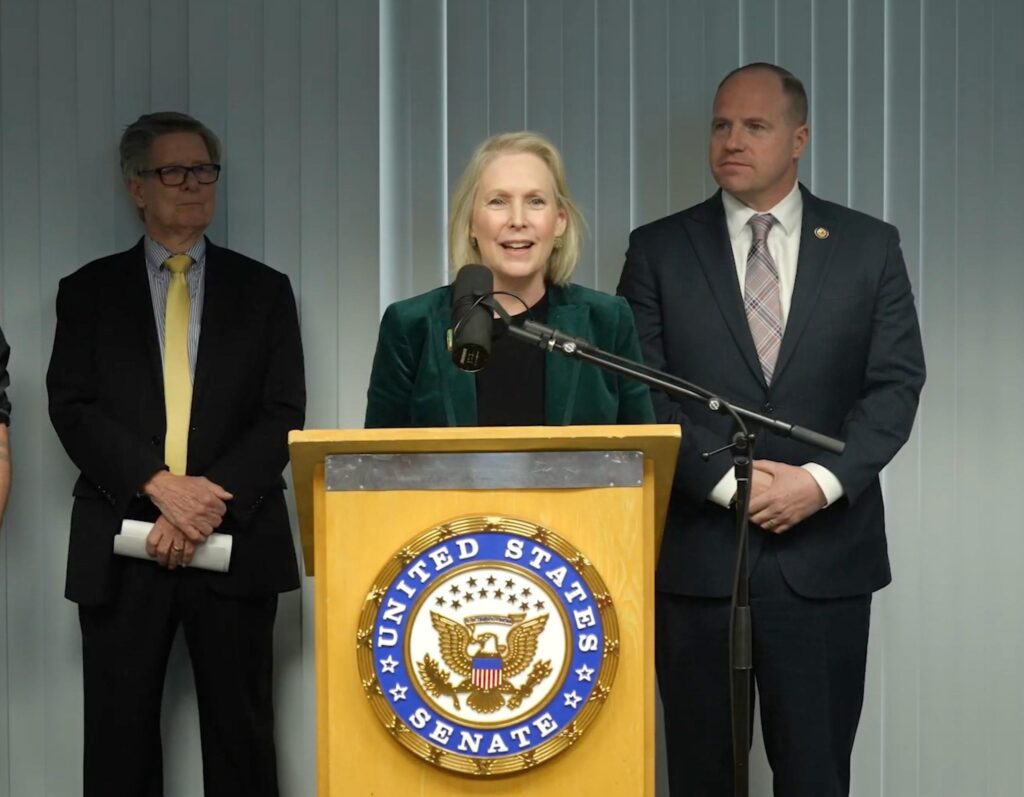
Banner Image: Senator Gillibrand speaking. Image Credit – Sen. Gillibrand

