

Editor’s note: See below for our interview with Rebecca Tickell, one of the filmmakers for the three films. Readers may also remember our review of King Charles of England’s movie “Finding Harmony,” which documents some of the similar changes being undertaken in the remaining English colonies as well as elsewhere around the world. Common Ground also features mention of an interview between Prince Charles (before he became king) and one of the individuals followed in the film. We also reviewed and spoke with the author of Nature’s Best Hope, which encapsulates a lot of the change possible as being within the reach of homeowners and even renters. Anyone with a little space that is allowed to grow plants in their area can help contribute to this ‘groundswell’ of change that has been slow at first, but now is like a snowball rolling down a hill. Bees and other insects are returning, with the help and care of the very human beings who in previous generations were nearly solely responsible for their decline. Change has been shown to be possible, and it is happening everywhere, inspired and undertaken by regular people. Woody Harrelson has been known for bringing attention to these issues using media-heavy events such as scaling a bridge to hang a banner, and Sadhguru traveled all across the continent of Asia in order to bring attention to the urgency of these environmental issues, but there are others we learn about in this heartwarming and inspiring film. It is not too late to turn around the destruction and harm that has thus far ravaged the world, especially if private citizens take it into their own hands to make this change. All of the projects shown in this film were accomplished by ordinary people working together to make change. See a photo slideshow from the premiere and our review below:

This film takes you on an epic journey of positivity and hope, showing what’s possible (and in effect) today itself. First of all, this is definitely a topic we’ve explored in the past. Nature’s Best Hope, which we reviewed, discusses doing similar things on a home level. Our interview with Doug Tallamy was inspiring, as he helps people all over the country bring back the bees in their own backyard.
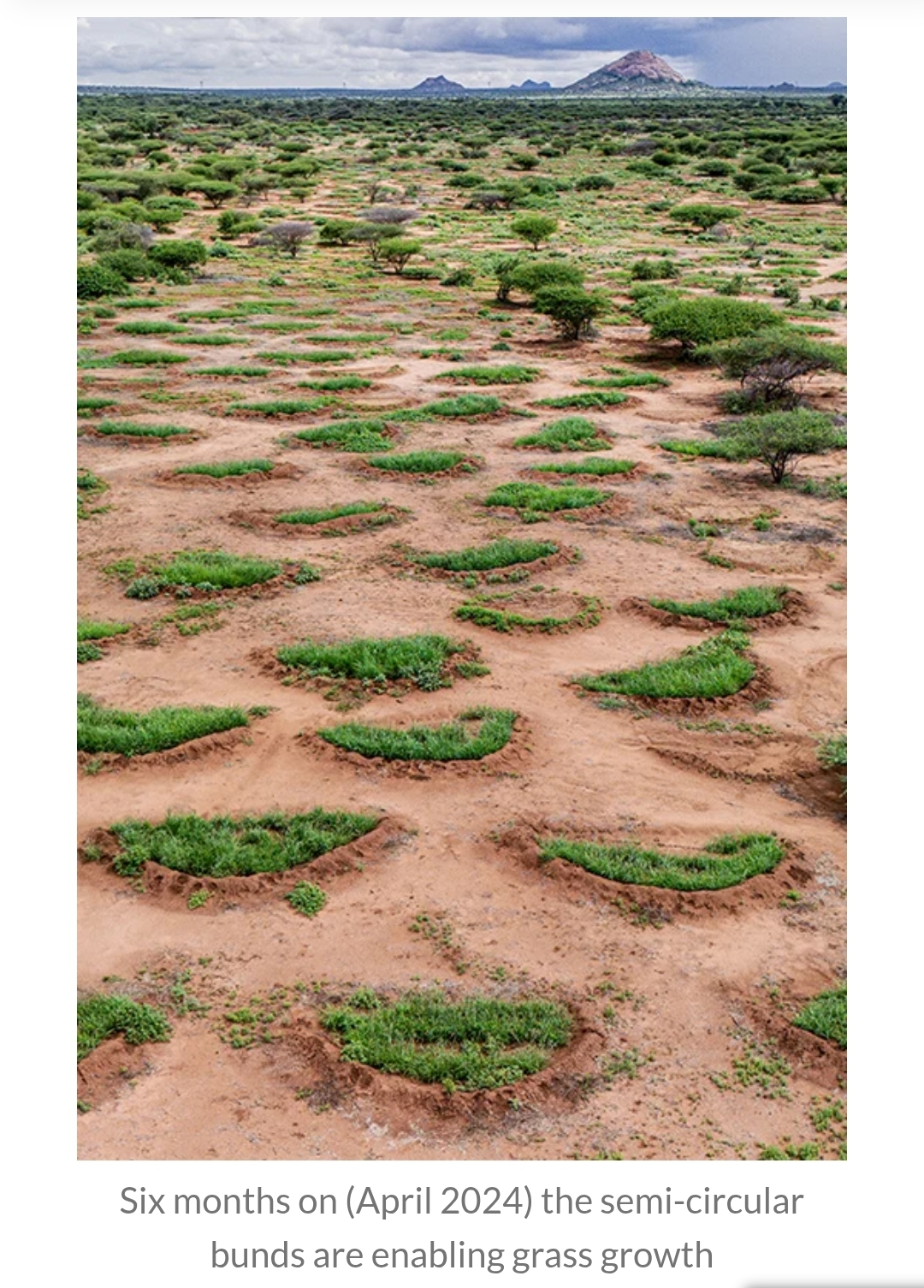
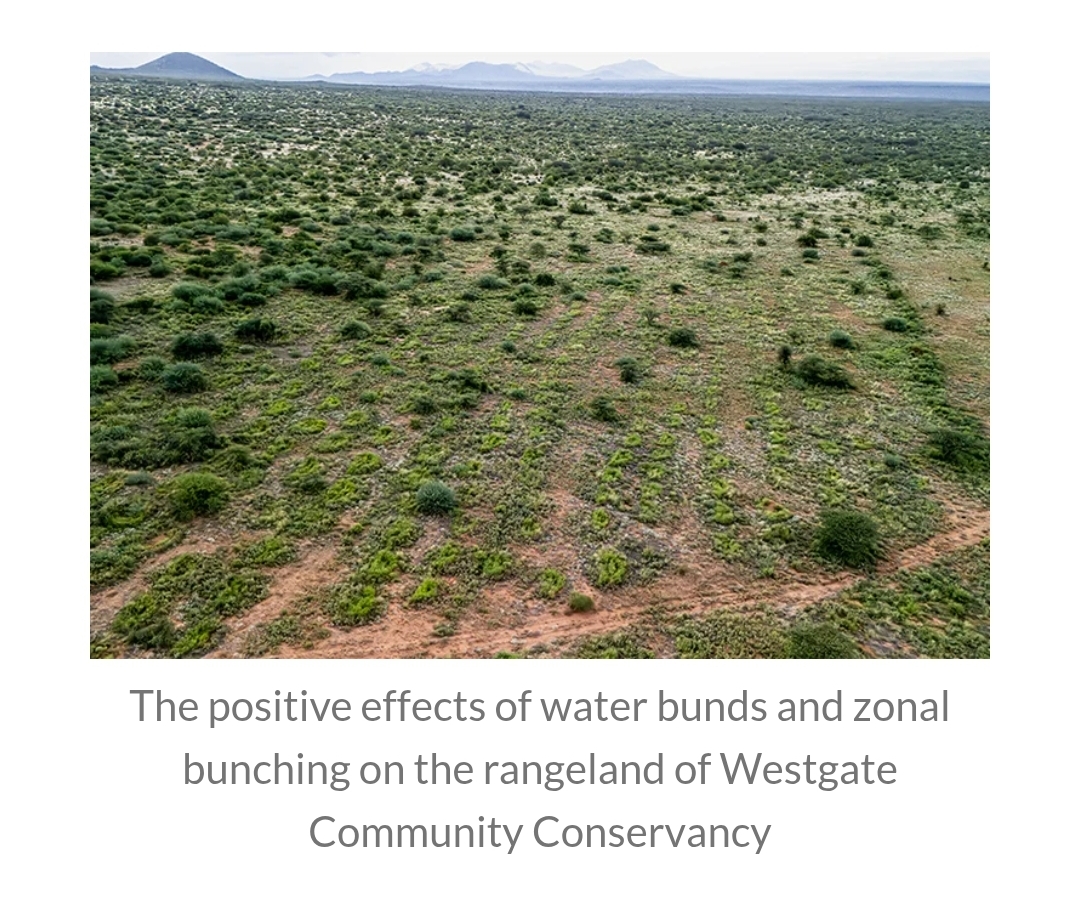
But this movie explores this on an industrial level. Take the place in Africa. Desertified land with nothing on it, not even grass. EIGHTEEN MONTHS later – not ten years, not twenty, but one and a half years! – the landscape is green and verdant, beginning to teem with life. What did they do? Started collecting the rainwater in the fields with special digging in the ground – smiles they make. And water happily fills them up and makes the landscape blossom. Life is happening.
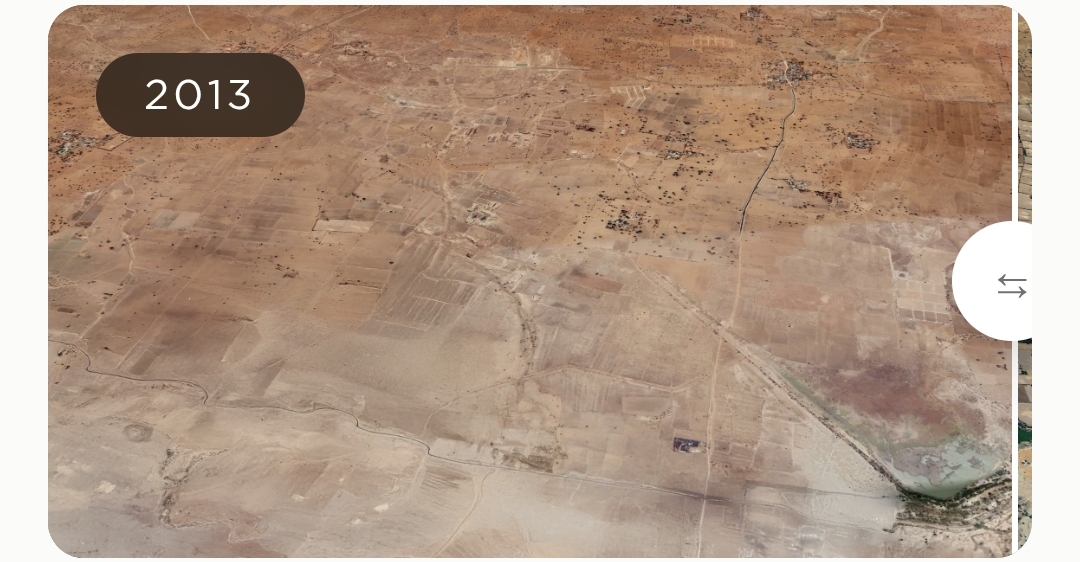
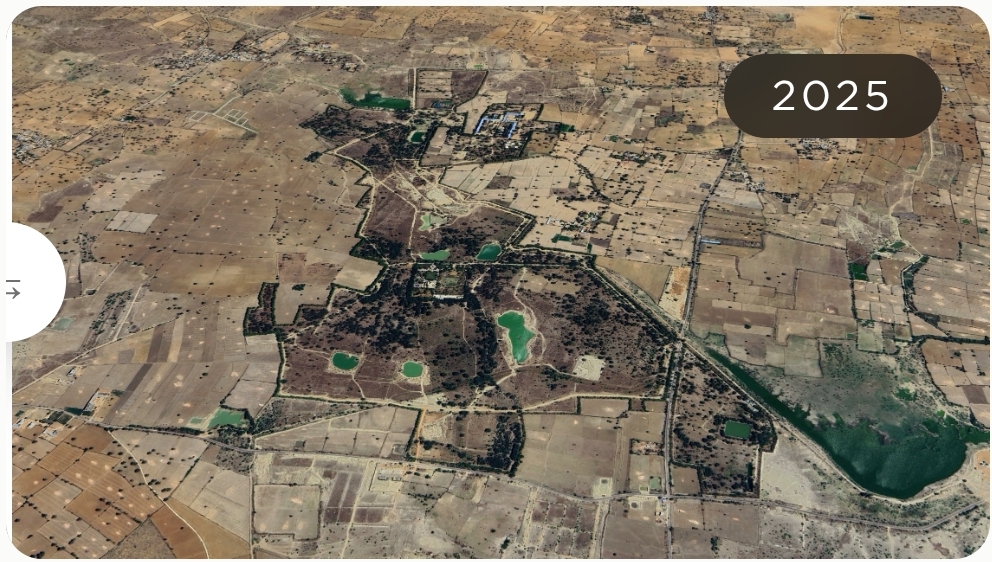
In another location, Dhun in India, there is a ten year project in another desert. This desert was already like this, as it rains there only a few inches a year. But one man knew that there was more to this land, and he started a process of regeneration. By capturing the rainwater, differently than in Africa, this place has become a forest in the midst of the desert. And the most obvious signs that regeneration has worked is the birds. The whole place is alive with the music of birds all day long.
Throughout the film, we are introduced to places where things looked really bad. The Amazon rainforest which has been shrinking. The Sahara desert, which was moving down slightly year by year. The Cerrado, next to the Amazon, which has also been deforested over the many years of human intervention and industrial Agriculture. The promise of industrial, chemical dependent Agriculture was a lie. It was brand new and untested – and completely unsustainable.
Not only do these products, both fertilizers and pesticides, lose effectiveness year by year, but they also destroy whatever life was there before – and their yield shrinks and shrinks, as the land is poisoned more and more. There weren’t any long term studies because it was so new. Now we can see the devastation it wrought, and the simple fact is that food production must increase rather than decrease. But the opposite has been happening, and no one was paying attention. Until they started – largely due to the help of celebrities like the filmmakers here and ordinary people coming together. Along with extraordinary people like the Indian monk who rode his motorcycle across Asia.
The film also travels to America in its many stops around the globe. Here, there is a farmer who used to be an industrial factory farmer, raising cattle for beef, using all the most modern methods. Then one day, he realized he didn’t want to do it this way anymore. Maybe it had to do with the neurological disorder diagnosis he got or maybe with the suffering of the cows as they poop and pee on each other in the double level train cars. Whatever the reason, he joined the pioneering movement away from factory farms and instead toward a regenerative farm that’s able to produce more food with less environmental and negative health consequences. We’ve covered the negative health effects of a meat centered diet multiple times in the past, including how it causes cancer and heart disease. This is now accepted by the American Medical Association. When raised regeneratively, some of these effects might be mitigated, but certainly the environmental taxing can be reduced along with the animal suffering.
So can a farm raise cows that are healthier and treated humanely before their death? That may be doubtful, as it’s unlikely there will be enough of a difference in omega fats in cattle raised regenerative than in those raised in factories to overcome the other negative effects of eating meat. However, and this is a big however, these farms will be friendlier to the environment. No cesspools of cow feces roasting in the sun and overflowing. These animals are fed on grass pastures, outside, with multiple animal species such as cows and pigs and rabbits, and their poop in these cases is being used to make the soil alive and really ready to grow nutritious plant based food. Because four legged animals (including rabbits and elephants – and the less exotic cows and pigs) can help restore and regenerate soil simply by eating and pooping. Just not too much or too many. Meaning it’s unlikely to be scalable to the current rates of meat production. But if fewer and fewer people ate meat, it might become doable.
I would definitely give this movie five stars and rate it as a must-see movie. You don’t even have to go anywhere to see it; it’s on Prime on June 5th!

See below for photos of the African Samburu restoration discussed in the film, found at this link (captions embedded).

See the transformation and current residents of Dhun in Jaipur, India:

Goats and birds coexisting. Image Credit – Dhun
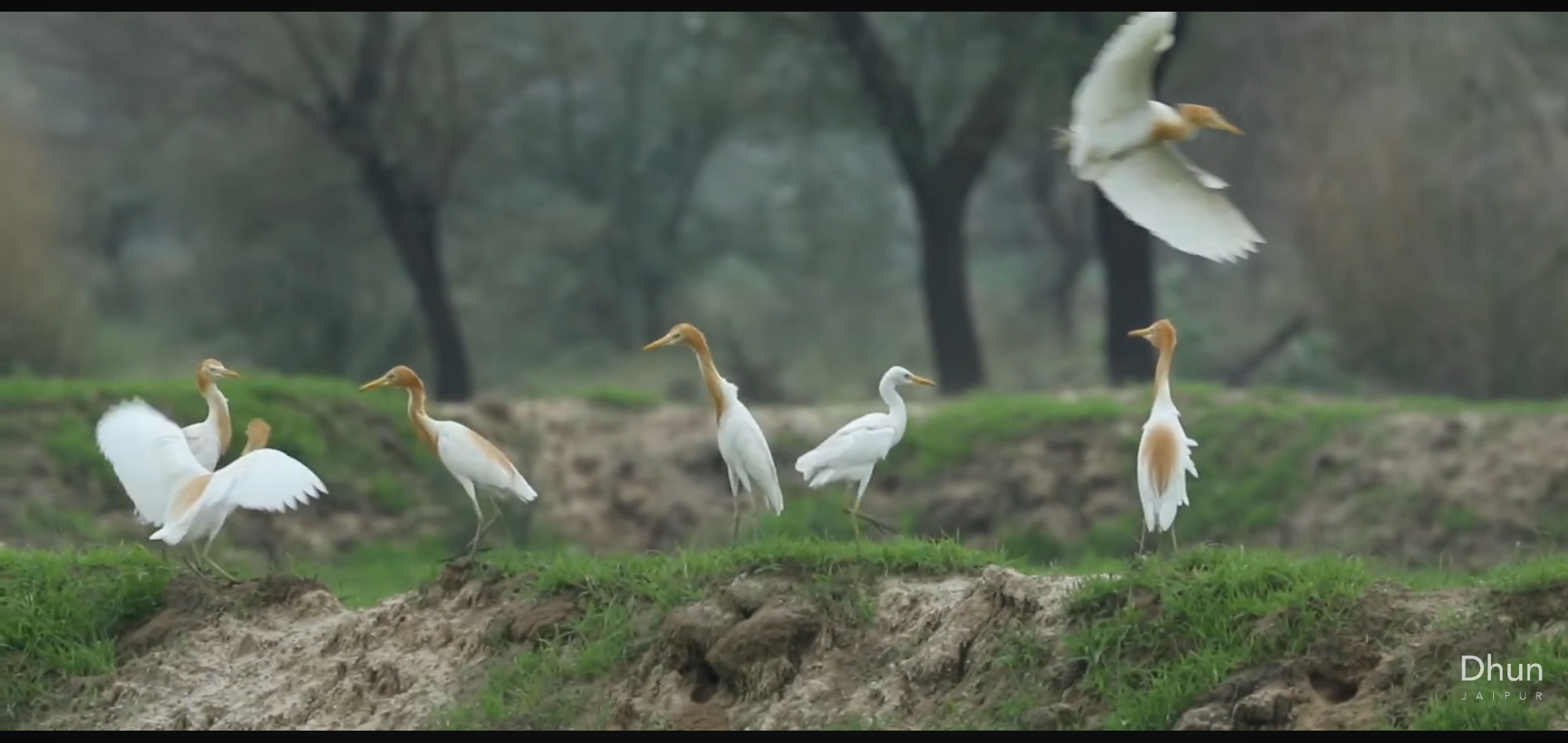
Birds at Dhun.
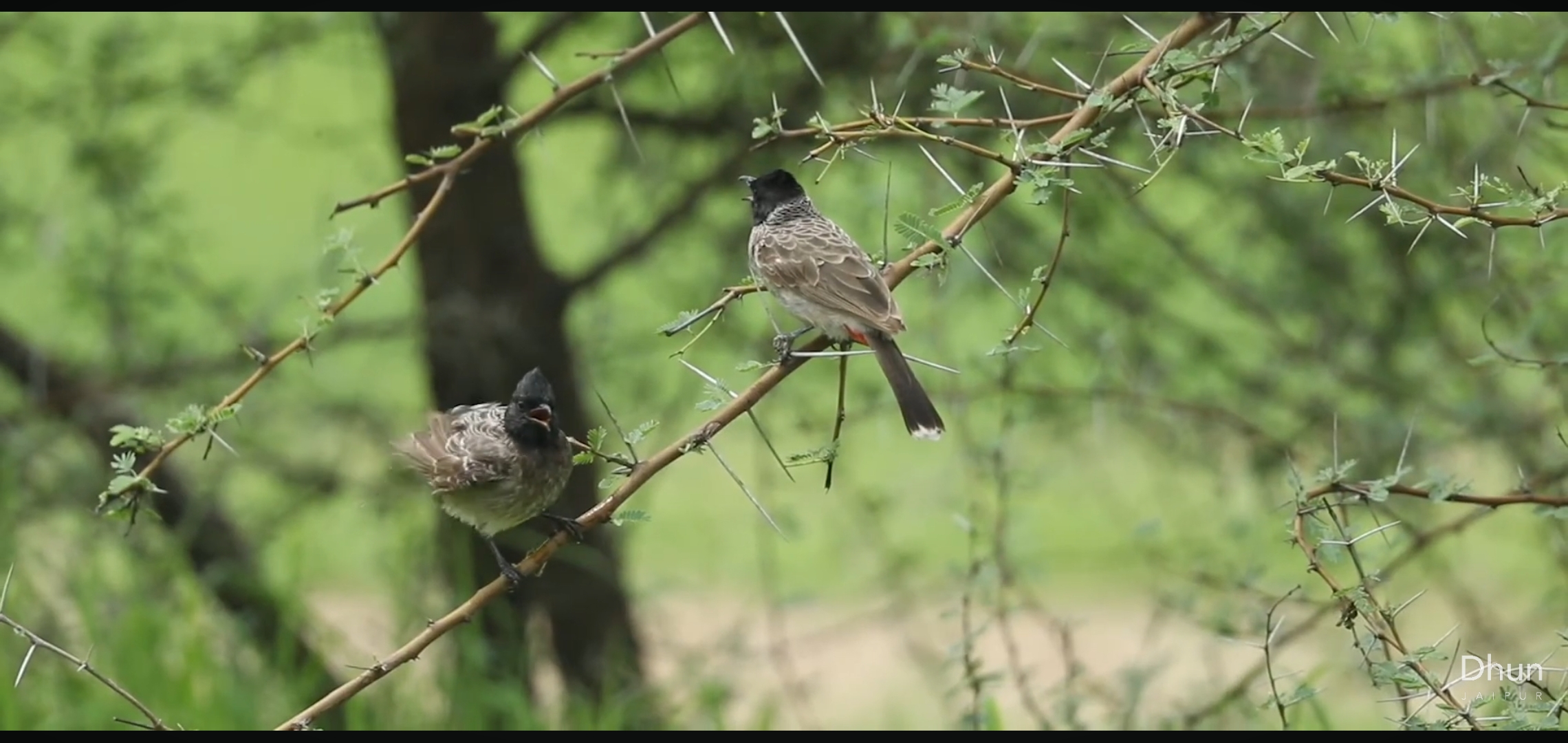
Birds thriving in the ecosystem. Image Credit – Dhun
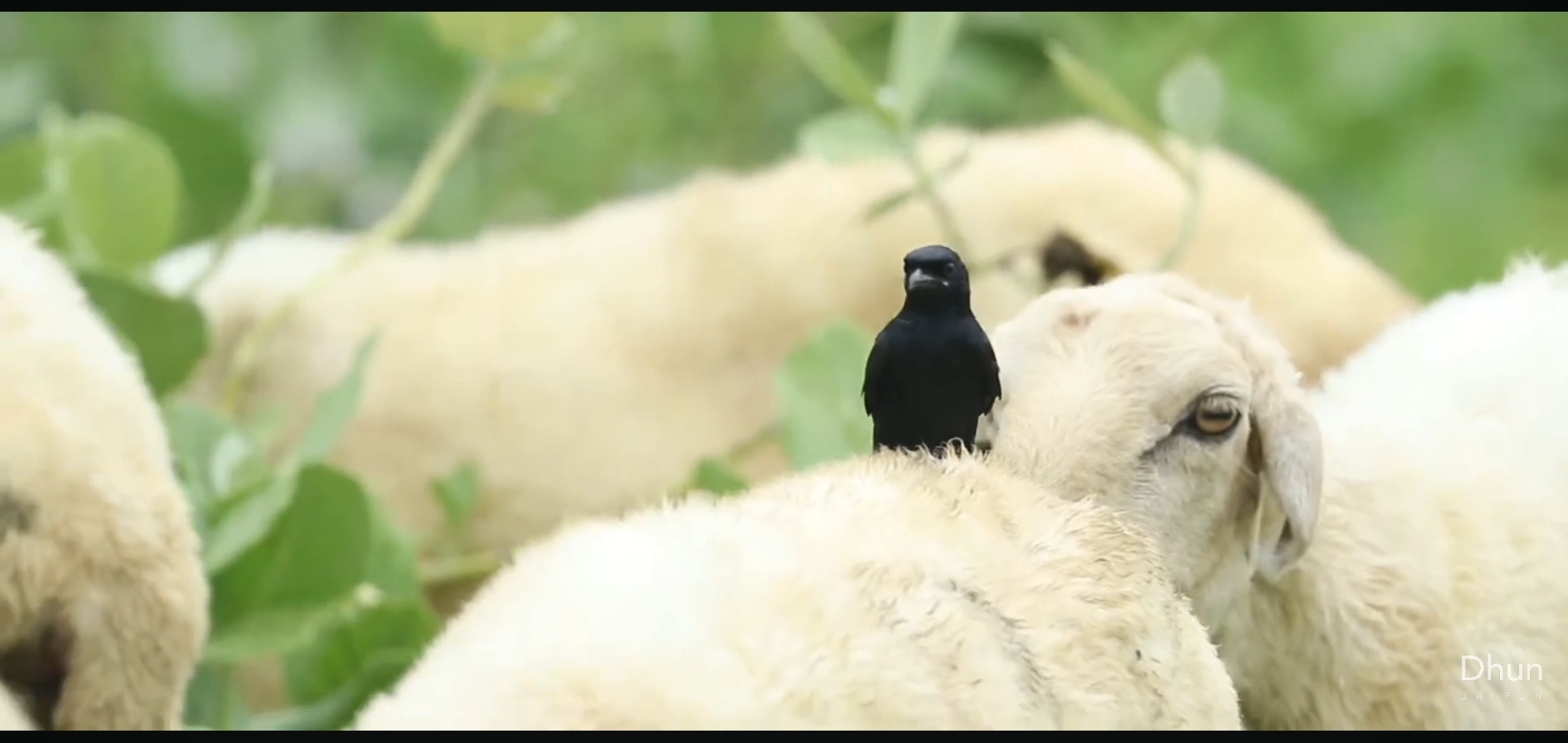
Sheep and bird. Image Credit – Dhun
**Winner | 2026 Cannes Film Festival | Golden Globes Prize for Documentary in Partnership with Artemis Rising Foundation**
Presented by the Artemis Rising Foundation, Think-Film Impact Production, and the Golden Globes, the juried award recognizes documentaries that tackle urgent social issues while making a significant contribution to the documentary field.
One Billion Acres Campaign Launches Globally!
After Kiss the Ground, over 30M acres transitioned to regenerative agriculture.
After Common Ground, the movement scaled past 100M acres.
With Groundswell, the goal expands to One Billion Acres.
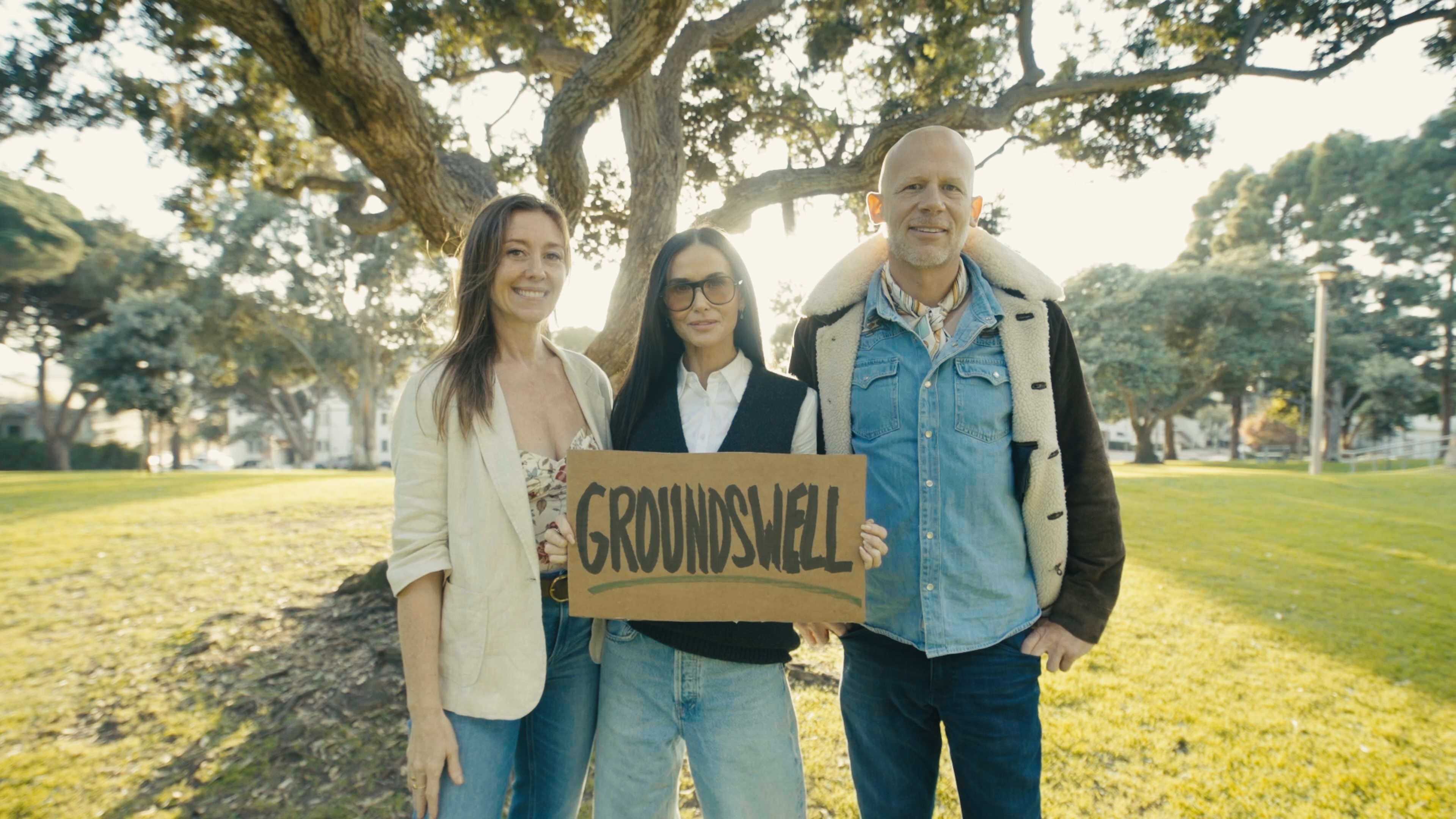
PRIME VIDEO ANNOUNCES GLOBAL LAUNCH DATE FOR GROUNDSWELL,
THE FINAL CHAPTER IN ACCLAIMED DOCUMENTARY TRILOGY FROM FILMMAKERS JOSH TICKELL AND REBECCA HARRELL TICKELL
GROUNDSWELL
Executive Produced and Narrated by Woody Harrelson and Demi Moore
The documentary will World Premiere at the Cannes Film Festival
All Photos Credit: Amazon MGM Studios
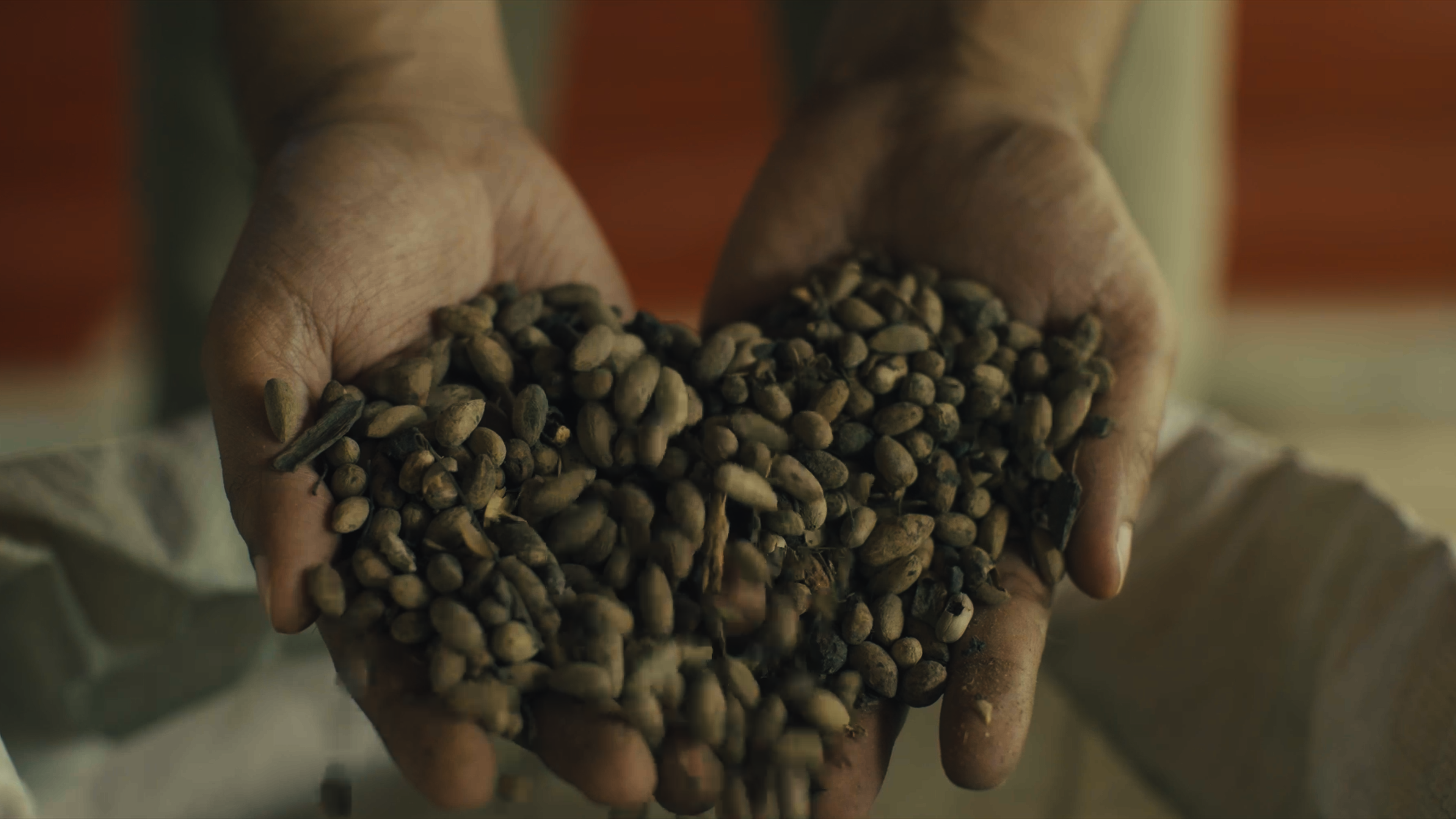
Groudswell still. Image Credit – Amazon MGM Studios
CULVER CITY, California—May 07, 2026— Prime Video announced the global launch date for Groundswell, the sweeping and timely final installment in the acclaimed documentary trilogy that began with Kiss the Ground and continued with Common Ground. The film will premiere globally on June 5, 2026, exclusively on Prime Video. Both Kiss the Ground and Common Ground are currently available to stream on Prime Video, offering audiences the opportunity to experience the first two chapters of the trilogy ahead of the final installment.
Ahead of its global launch on Prime Video, Groundswell will World Premiere as a Special Screening at the Cannes Film Festival.
Directed by Josh Tickell and Rebecca Harrell Tickell, Groundswell is executive produced by Woody Harrelson and Demi Moore, who also narrate the film. The documentary marks the culmination of a trilogy that has helped shape the global conversation around regenerative agriculture and climate solutions.
Director Josh Tickell states, “Groundswell is the ultimate how-to guide to fix the planet and help save humanity. Premiering at Cannes brings the story to a global cinematic stage, and the subsequent launch on Prime Video will give viewers all over the world a chance to watch these real-world solutions taking hold.”
Director Rebecca Harrell Tickell continues, “Groundswell is one of the first truly good news climate documentaries, showing that we already have a real solution to help stabilize the Earth and that people across the globe are bringing it to life. Premiering at Cannes is more than an honor, it’s a pivotal moment for this movement, a chance for all of us to come together, focus on solutions, and actively protect life on Earth for generations to come.”
OFFICIAL SYNOPSIS
Groundswell is the stirring final chapter of a groundbreaking documentary trilogy following Kiss the Ground and Common Ground, a sweeping cinematic journey across 5 continents and narrated by Demi Moore and Woody Harrelson. At the heart of this film is regeneration, a practical and proven set of farming practices that build living soil, store vast amounts of carbon deep underground, and produce more nutrient-dense food on the same acre of land. It is measurable. This movement toward a regenerative form of agriculture that’s better for human health is taking hold. Across the globe, farmers, scientists, Indigenous leaders, and visionaries are already proving it at scale, quietly reversing three interconnected crises racing toward humanity: climate change, species extinction, and catastrophic soil loss. Carbon is being drawn deep into the earth. Grasslands are breathing again. Rivers are running clean. Species are returning. Yields are climbing as soil comes back to life. In the film’s closing moments, His Majesty Prince William steps forward to introduce pioneering regenerative rancher Gabe Brown, passing the torch from one generation of stewards to the next. A groundswell of hope and a living blueprint for global renewal.
Together, Kiss the Ground (narrated by Woody Harrelson, with Gisele Bündchen, Tom Brady, and Patricia Arquette), Common Ground (featuring Laura Dern, Jason Momoa, Rosario Dawson, Donald Glover, and Woody Harrelson), and Groundswell form an Earth-saving trilogy tracking the regenerative agriculture story from ignition to reckoning to culmination. Kiss the Ground brought soil health into the mainstream through a big-tent, celebrity-and-scientist narrative. Common Ground pushed past the “why” into the “what’s blocking it,” spotlighting policy, power, and public health while elevating farmer-led solutions and systems accountability. Groundswell closes the arc, connecting the solutions for climate change, species loss, and soil loss into one global call for regeneration.
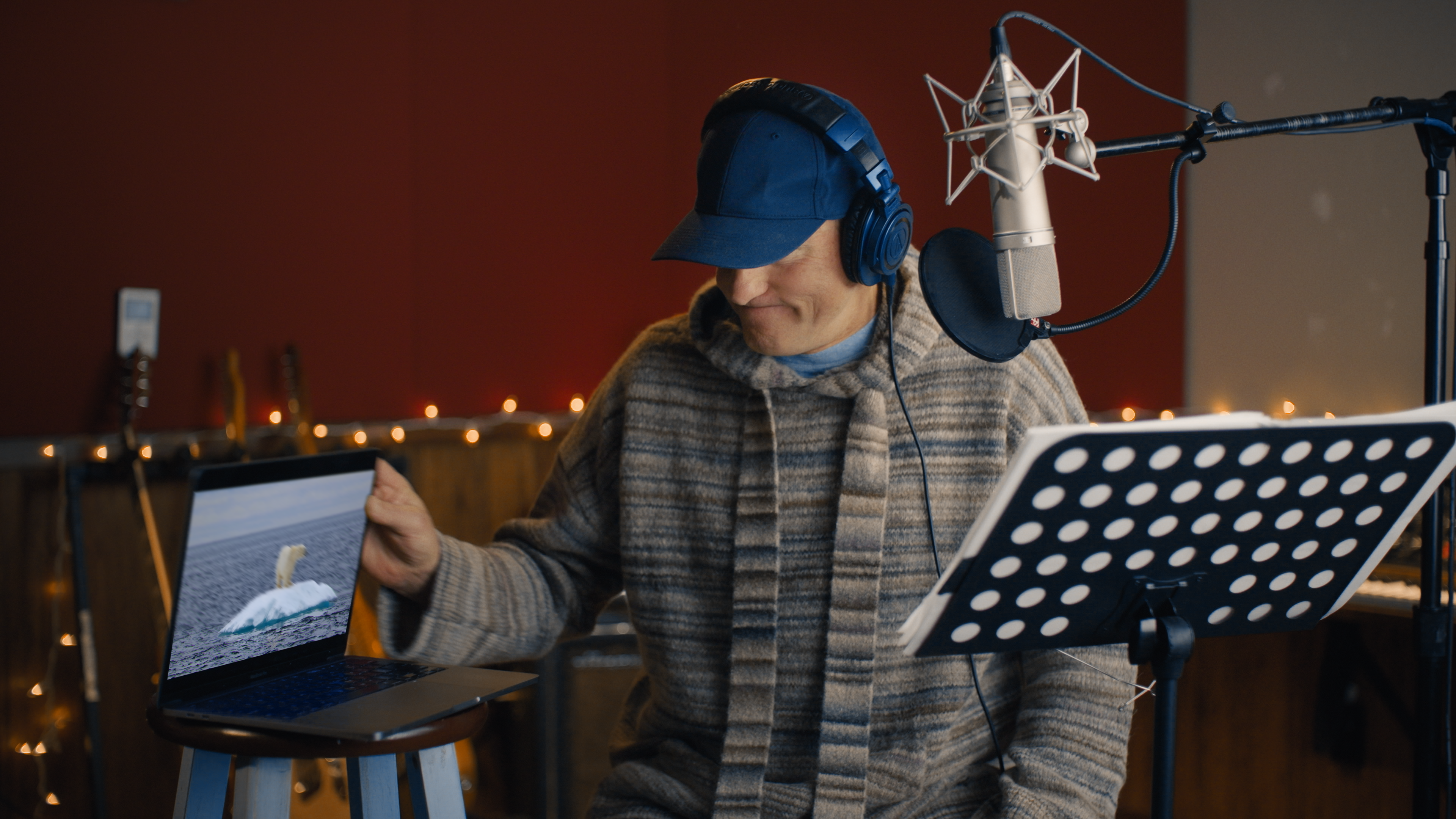
Groudswell still. Image Credit – Amazon MGM Studios
Groundswell Premiere Special Screening / Official Selection (World Premiere)
at Salle Angés Varda May 13th
Images in the photo slideshow above are credit: Jean-Marc Haedrick / SIPA PRESS
Hope lies in the soil.
Banner Image: Groundswell promotional photo. Image Credit – Jean-Marc Haedrick / SIPA Press

