

STATEN ISLAND HIGH SCHOOL STUDENTS TRAVEL TO WESTCHESTER COUNTY TO RELEASE JUVENILE TROUT THAT HAVE BEEN RAISED IN THE CLASSROOM
Editor’s note: A few years back we covered the details of the annual glass eel count, an initiative seeking to quantify the success of the DEP’s Blue Belt programs. These programs redesign landscapes in order to facilitate flood mitigation and water runoff to prevent damage to homes and parklands in areas which are heavily subject to this type of damage. The DEP also joined emergency management officials at a recent family outing to teach residents about preparedness for disasters and other unpredictable events, providing resources and training in a day of fun and games. For those readers who saw our story on Kiss the Ground, the beaver dams restored populations of fish such as salmon and trout. This is in distinction to human made dams, which almost always result in environmental damage or degradation rather than positive benefit.
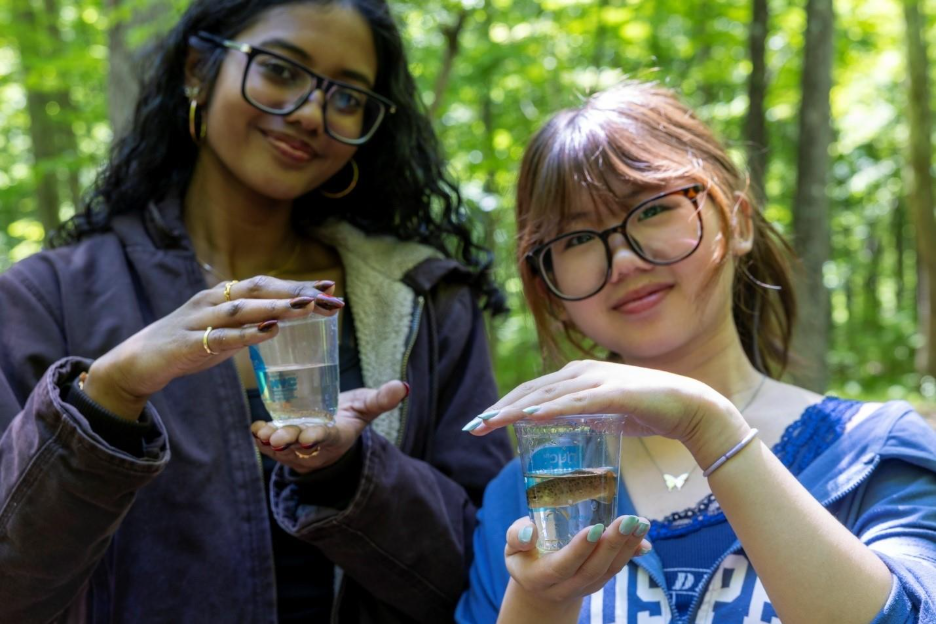
Program participants. Image Credit – NYC DEP
Thousands of students from New York City and upstate towns will participate in the environmental education program; Additional photos are available on DEP’s Flickr Page
The New York City Department of Environmental Protection (DEP) recently joined Trout Unlimited, the Watershed Agricultural Council, and 49 high school students from Susan E. Wagner High School in Staten Island to release juvenile trout that the students have raised in their classrooms since October of last year. 120 fingerlings were released into the Cross River where it passes through the Ward Pound Ridge Reservation in Westchester County. The Cross River feeds into New York City’s Cross River Reservoir.
“Thanks to our collaboration with Trout Unlimited and the Watershed Agricultural Council, students from Staten Island had the chance to visit the watershed and see firsthand how our water supply and the surrounding ecosystem depend on one another,” said DEP Commissioner Lisa F. Garcia. “Through Trout in the Classroom, young people from pre‑K through high school develop a deeper connection to the environment and learn why protecting the watershed lands that deliver our world‑class water is so important.”
Since 2002, DEP and Trout Unlimited — a national grassroots non-profit organization whose mission is to conserve, protect, and restore North America’s cold-water fisheries and their watersheds — have worked together to educate students from New York City and upstate communities about the importance of protecting our shared water resources through the Trout in the Classroom program. The conservation-oriented environmental education program teaches young New Yorkers, ranging from pre-K to grade 12, about the connections between trout, the New York City water supply system, water quality, and students from both sides of the City’s water tunnels.
Many of the schools participating in the Trout in the Classroom program also receive support from watershed partner organizations, including the Watershed Agricultural Council, which provides watershed forestry bus tour grants to schools visiting the New York City Watershed.
In October, more than 140 classroom teachers and educators joined the Trout in the Classroom Program’s Fall Teacher Conference and received trout eggs from the New York State Department of Environmental Conservation. Thousands of students from schools in New York City, as well as the City’s upstate watersheds, incubated the trout eggs in their classrooms and raised them into juvenile trout, which are also called fingerlings.
This hands-on, eight-month long program culminates with students taking part in designated field days between March and June during which they release the fingerlings into New York City watershed streams. During these trout release field days, students experience firsthand a watershed stream and forest, participate in nature hikes and macroinvertebrate studies, and sing “Happy Free Day” to their beloved fingerlings.
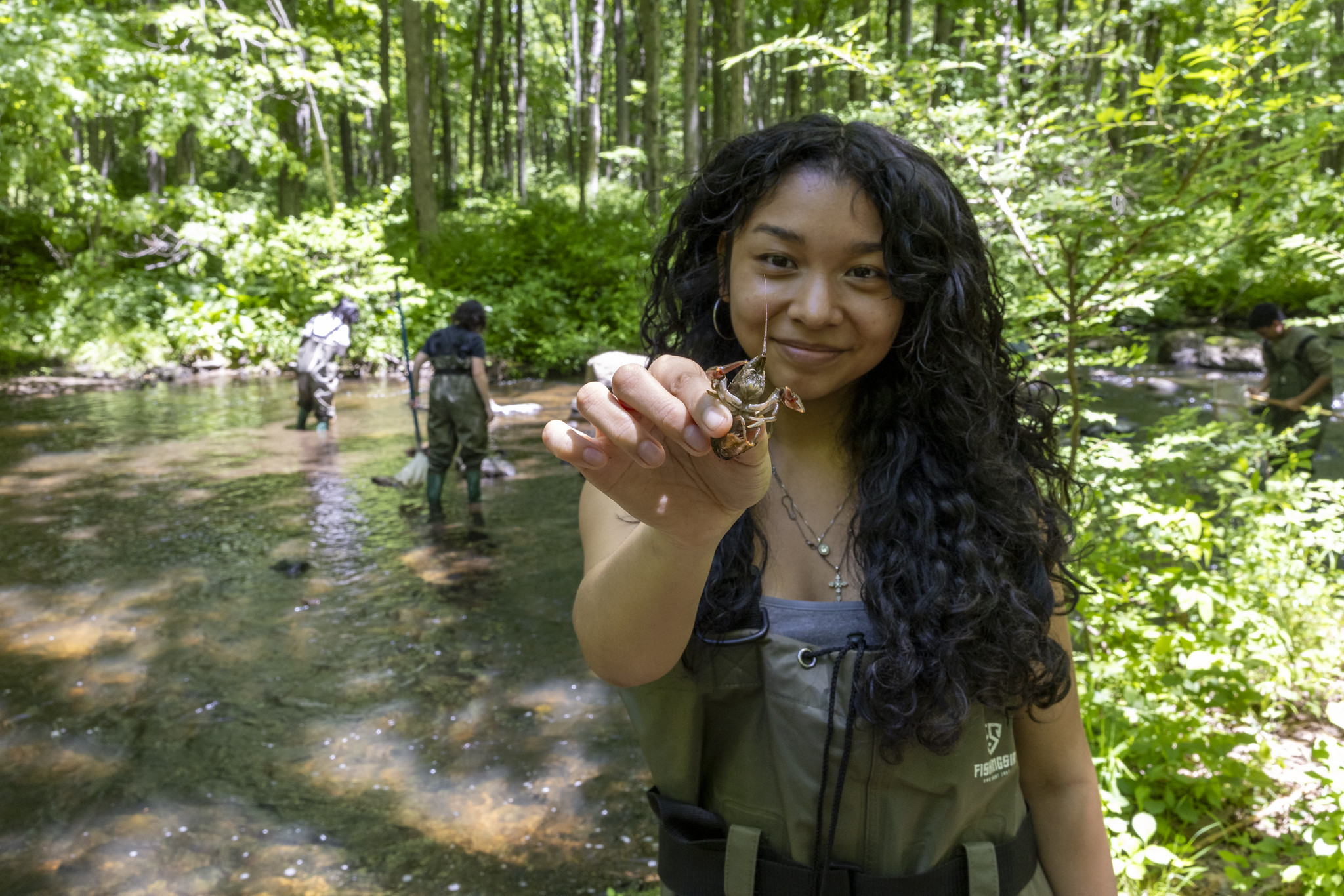
Trout in the classroom trout release at Cross River with Susan E. Wagner High School from Staten Island, May 29, 2026
About the NYC Department of Environmental Protection
DEP manages New York City’s water supply, providing approximately 1 billion gallons of high-quality drinking water each day to nearly 10 million residents, including 8.5 million in New York City. The water is delivered from a watershed that extends more than 125 miles from the city, comprising 19 reservoirs and three controlled lakes. Approximately 7,000 miles of water mains, tunnels and aqueducts bring water to homes and businesses throughout the five boroughs, and 7,500 miles of sewer lines and 96 pump stations take wastewater to 14 in-city treatment plants. DEP also protects the health and safety of New Yorkers by enforcing the Air and Noise Codes and asbestos rules. For more information, visit nyc.gov/dep, like us on Facebook, or follow us on X and Instagram.
Banner Image: Program participants. Image Credit – NYC DEP

