
Restoring Heart Health, Helping With Chronic Diseases: PCRM Answers Questions About Specific Conditions, Research-Based Changes
Noah Praamsma, dietitian with the Physicians’ Committee for Responsible Medicine, discusses the benefits of a plant-based diet for common heart conditions, including high blood pressure, mitral valve prolapse, and sick sinus syndrome. Under the rubrick of conventional medicine, these conditions can not be reversed or treated in any way other than surgery. However, the benefits of a plant-based diet for these conditions are manifold and quite often effective. See below for our conversation:
For example, Sick Sinus Syndrome, according to long-term observational research, is a result, in a sense, of the natural aging process. As one ages, especially if they do so in the normal way observed among most Americans, the “pacemaker” of the heart, the Atrial Sinus Node, starts to deteriorate. This is often due to the buildup of plaques and other fascial artifacts in the area, which cause difficulty in the electrical signaling. This often leads to the permanent implantation of a computerized pacemaker. However, this surgery is not without its own risks and complications, including errors in the surgery, puncturing of a lung or other surrounding tissue, the inability to ever be permanently removed (since it cuts arteries and veins and weaves them into the device), and the necessity to always be on some sort of heart rate lowering pharmaceutical. This is because after the implantation of this device (and sometimes before), the patient experiences tachycardia or fast heart rate. The pacemaker works by sending an electrical signal when the heart pauses, which can happen pretty often with Sick Sinus Syndrome.
However, other research, particularly that conducted by scientists from around the globe rather than in the US, has demonstrated that a pacemaker is more like a band-aid for an underlying problem, namely two problems. First, lack of proper nutrition and exercise as people age. It is very common among the older adult population for the appetite to stop functioning as it used to. This leads to less frequent meals, which causes a deficit in nutrition, and the meals they do tend to have are low in protein, high in carbs, and usually part of an unbalanced diet. They also stop feeling well enough to exercise with any frequency or duration, which then causes deterioration of the body’s muscle tissue. This same deterioration can be found in the heart, and leads to a reduction in the functioning of the sinus node. However, it has also been shown that exercise, along with better nutrition, can strengthen the heart muscle AND the node, as well as dissolving the aforementioned plaques which some scientists have determined contribute to this condition. Many of the causative factors, including fibroses and oxidative stress, may be treated with a plant-based diet, as studies have shown that it can dissolve plaques and act as a anti-oxidant.
From the study mentioned: “The disease [Sinus Node Dysfunction or Sick Sinus Syndrome] is associated with ion channel disturbances caused by aging, fibrosis, inflammation, oxidative stress, and autonomic dysfunction. Natural active substances and Chinese herbal medicines have been widely used and extensively studied in the medical community for the treatment of arrhythmias. Multiple studies have demonstrated that various active ingredients and Chinese herbal medicines, such as astragaloside IV, quercetin, and ginsenosides, exhibit antioxidant effects, reduce fibrosis, and maintain ion channel stability, providing promising drugs for treating sinus node dysfunction….
“Sinus node dysfunction (SND) or sick sinus syndrome (SSS) refers to the impairment of the sinus node’s pacemaker function, which can result in various arrhythmias such as sinus bradycardia, sinus arrest or exit block, sinoatrial block, chronotropic incompetence, or alternating bradycardia and tachycardia. Heart rhythm abnormalities caused by SND may cause reduced cardiac output and blood flow to the brain, which can result in symptoms such as dizziness, syncope, or confusion due to decreased cerebral perfusion. Prolonged reductions in cerebral perfusion can lead to more serious complications, such as cerebral ischemia, hypoxic brain injury, or stroke…Although cardiac pacemaker implantation can effectively improve patients’ quality of life, pacemakers cannot alleviate all symptoms of arrhythmia in the long term [3]. Additionally, pacemakers have limitations such as limited battery life, infection risks, and the lack of autonomous neural regulation.”
In the course of the conversation, with Noah, we also touched on some of the other conditions that can be helped in serious ways by a plant-based diet. Not only is it the official position of the American Medical Association that this diet (plus exercise, not smoking, and no alcohol) can prevent many types of cancer, including breast and prostate, but in the practice and research of many dietitians and nutritionists helping patients to follow this protocol, cancer has even been completely reversed. The American Heart Association has also adopted the official position that a heart healthy diet is what is normally called the Plant-Forward diet, which is rich in fresh fruits, raw and cooked vegetables, and whole grains. All of these together consitute the ideal diet for humans, which is primarily plant-based. And in addition to being good for your body, it is also better for the environment and reduces the overall prevalence of cruelty inflicted on others (namely animals in factory farms, of which 98% of grocery shelf meat is, and who undergo incredible suffering that has been documented over and over again across the world).
As Noah makes clear, when one consumes a balanced diet including beans, legumes, whole grains, and fresh fruits and vegetables, they are able to intake all of the nutrients that their body requires, including protein and most of the vitamins. As research has shown, consuming more protein as one ages leads to better overall health, longevity, and better outcomes. Some have termed this “health span,” as opposed to “life span,” where the quality of one’s life experience is also important.
For readers who have been diagnosed with one or more chronic health conditions, including heart issues, there is a great deal of research supporting nutrition and exercise as the most effective treatments for most of them. While this has not yet been accepted by all doctors, there are quite a few that can be persuaded once it becomes clear that the patient is improving. For example, reducing the dose of diabetes, blood pressure, and statin medications is an attainable goal, and one that Noah has seen occur in his own practice. If you want to work with a registered dietitian that supports a plant-based diet, this link brings you to the PCRM directory. And for those on Medicare, you are covered for two annual visits with a dietitian or nutritionist to help you along this journey. Upon making the recommended changes, many patients are able to return to their primary care physician and ask to have their dosages lowered until, in many cases, they are able to get off the drugs entirely. It should be noted that this is NOT a quick fix. It can take several months, sometimes six or more, to start to really see results, and over time, these results can continue to improve. Sticking with it, even when the changes are not yet visible, is essential to its effectiveness, but it can be totally worthwhile.
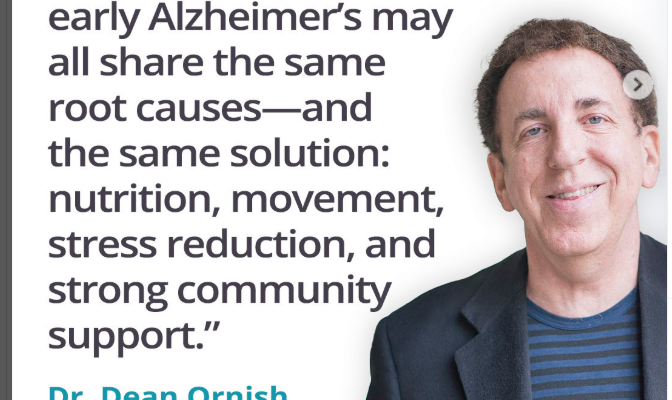
Banner Image: PCRM diet and nutrition quote. Image Credit – PCRM



Staten Islander News Service Staff Writer
This byline indicates that this article was penned by a member/members of the Staten Islander News Organization office team. Our staff writers are the backbone of our newspaper, performing all sorts of important tasks like conducting interviews, investigating leads, besides writing the news stories you see.
[…] note: In our previous (and upcoming) discussions with nutritionists at the Physicians Committee For Responsible Medicine, we often discus… (such as increasing exercise, getting plenty of fresh air, drinking sufficient water, and getting […]