
School Cafeterias – Where MAHA Policy, Kids’ Nutrition, Dietary Choices Collide: Already Difficult For Religious Vegetarians Or Ethically Plant-Based To Have Lunch
Do the Dietary Guidelines for Americans Really Matter? Look to Your Local School Cafeteria
Editor’s note: The Physicians Committee For Responsible Medicine, who originally published the below op-ed, has formally submitted a request for the guidelines to be revised. These guidelines are steeped in industry interests (by industry, it is meant the meat, dairy, pork, egg industries, which often work together. These include the National Dairy Council and the Meat Council as well. However, as PCRM has demonstrated, through essentially bombarding the American Medical Association with evidence of top of evidence: a plant-based diet can prevent and treat many of the chronic conditons responsible for most American deaths. These include heart disease and cancer, both of which respond favorably to a whole foods-based plant-based diet that is nutritionally dense and adequate in terms of all the essential nutrients, along with exercise, sufficient sleep, and avoidance of tobacco and alcohol products. It is now the official position of the AMA that cancer and other chronic diseases can be prevented with a plant-based diet, exercise, and tobacco/alcohol avoidance. In the next couple of weeks, we will be interviewing an expert at PCRM about the guidelines and how they affect schools nationally, along with some info about local regulations and planned law changes in New York and New Jersey to make it easier for kids to have lunch at school that satisfies their religious, ethical, or health-related dietary requirements.
According to the petition, “Eight of the nine authors of the scientific report underlying the new Guidelines have received research funding or other compensation from the National Cattlemen’s Beef Association, the Texas Beef Council, General Mills, the National Dairy Council, and the National Pork Board, among others. The complaint alleges that in allowing this to happen, the USDA and HHS disregarded the Federal Advisory Committee Act, which mandates that the Guidelines ‘will not be inappropriately influenced by the appointing authority or any special interest.'”
As the mother of a middle school and a high school student and a certified nutrition and cooking instructor who works in partnership with food service leaders in Minnesota school districts to strengthen their nutrition programs, I am discouraged by the recently released 2025-2030 Dietary Guidelines for Americans. Don’t get me wrong. I was happy to see an emphasis on fruits, vegetables, whole foods, and water consumption, and the suggestions to reduce sugar and alcohol, but there are some significant concerns elsewhere in this document. The Guidelines determine what goes on cafeteria trays for millions of American students, and they are a big step backward for children’s health.
The Guidelines as a whole are depicted in an inverse pyramid with red meat alongside broccoli and well above more healthful proteins, like legumes and beans. They suggest making protein a priority at every meal and eating a mix of animal and plant proteins despite research that shows that animal protein is associated with an increased risk of chronic diseases. Choosing plant proteins like beans and legumes and avoiding processed meat significantly reduce the risk of heart disease and colorectal cancer.
Because these federal Guidelines help determine which foods children are served, the consequences will show up in our school cafeterias. This year my family is hosting a vegetarian exchange student. I thought, and told her, that she would not have difficulty finding a suitable lunch. Instead, when she asked for the vegetarian option, she was given a turkey hot dog with cheese and was told there was no other option. She was left feeling hungry, confused, and invisible.
How can schools support students’ health and their sense of belonging to the school community if they can’t provide foods that meet basic dietary needs or personal convictions?
The new guidelines fail to update the milk recommendation and still suggest consuming three servings of dairy daily, including full-fat dairy. What message does that send to American school children who are unable to digest dairy products? Dairy is the number one source of saturated fat in Americans’ diets and is not a necessary food to be healthy. Dairy is also associated with higher risk of certain cancers.
One bright spot is a new law that will give students access to plant-based milks in school without a doctor’s note, which has long been required. Fortunately, soy products, like soy milk, are nutritionally equivalent and great for heart and bone health, and reduce risk of breast cancer.
Pushing red meat and full-fat dairy will worsen our national epidemic of childhood overweight and obesity. It will not support students’ cognitive ability. Or even fight every middle schooler’s nightmare, acne.
I have seen firsthand how much effort it can take for students to get even one reliably plant-based option on the menu. At Bloomington Kennedy High School, what began as a conversation with the environmental club grew into a coalition that included the student unity club. They had different motivations but one shared goal, a plant-based school lunch. After a letter to the nutrition director, a meeting with the assistant principal, and a presentation to the school board, the students finally succeeded. Their persistence resulted in a daily black bean burger and a salad bar.
For all of these reasons, I support H.R. 5867, the Plant Powered School Meals Pilot Act, legislation in the U.S. Congress that would help schools offer more plant-based meals. I am hopeful that my Rep. Ilhan Omar will co-sponsor it.
My family is grateful for our state’s free universal school meals plan, but there is nothing universal about a system that leaves many students without anything they can safely or comfortably eat. The new Guidelines risk making positive change more difficult by steering schools away from the very foods that could expand access to healthful meals and improve public health.
After years of working with students and school leaders to introduce healthier, plant-based meals, I fear that the 2025–2030 Guidelines could undo hard-won progress. They should be withdrawn and revised to reflect current nutrition science and the needs of our nation’s children.
Our students deserve better than outdated advice and limited choices. They need meals that nourish their bodies, respect their cultures, and support their health. Our national nutrition guidelines should help schools move forward, not backward.
Jodi Gruhn is a Minneapolis-based certified nutrition education and cooking instructor with the Food For Life program of Physicians Committee for Responsible Medicine, a public health advocacy nonprofit. She is the director of Wholesome Minnesota, for which she partners with schools and other institutional leaders to improve culinary service.

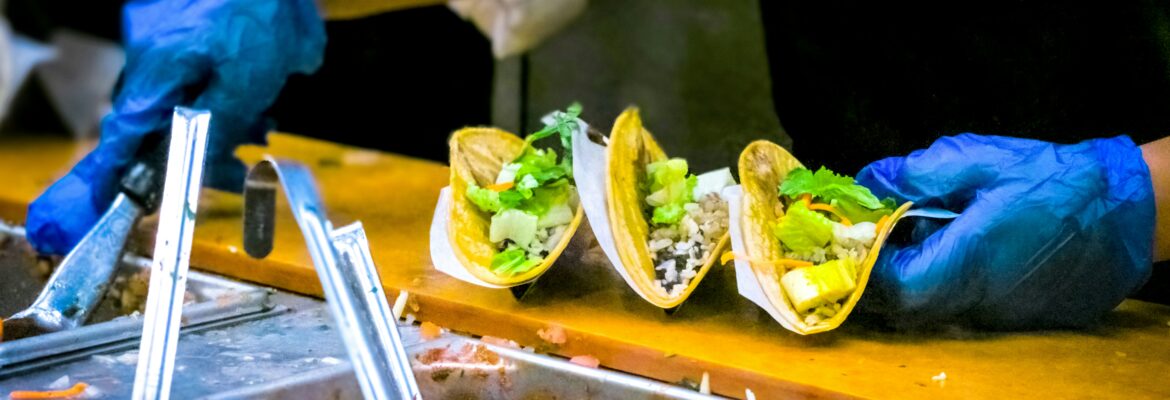
Banner Image: Tacos for school lunch. Image Credit – Obi



Physicians Committee for Responsible Medicine
The Physicians Committee combines the clout and expertise of more than 17,000 physicians with the dedicated actions of nearly one million members and supporters worldwide. The Physicians Committee is a 501(c)(3) nonprofit organization, headquartered in Washington, DC. Our efforts are dramatically changing the way doctors treat chronic diseases such as diabetes, heart disease, obesity, and cancer. By putting prevention over pills, doctors are empowering their patients to take control of their own health. And we are also building a new way of viewing research. Since 1985, the Physicians Committee has worked tirelessly for alternatives to the use of animals in medical education and research and for more effective scientific methods. Our staff of physicians, dietitians, and scientists is working with policymakers, industry, the medical community, the media, and the public to create a better future for people and animals.
There are no comments yet
Why not be the first