
Composting Now Occurring In All NYC Public Schools, Some Charter Schools – Educating Students, Reducing Food Waste, Increasing Renewable Energy Resources
MAYOR ADAMS COMPLETES ROLLOUT OF COMPOSTING IN ALL NEW YORK CITY PUBLIC SCHOOLS
Editor’s note: The following questions were forwarded to the Department of Sanitation. The answers follow the group of questions.
1. What is the specific composting method they’ll be using? Is it utilizing a heating device, bacterial breakdown, worm bins, or just outdoor composting bins?
2. Will students participate in putting their food waste into the units? Will there be classroom time dedicated to teaching about composting and why it’s important?
3. Will there be education regarding not putting meats into the compost, or is that not relevant due to the method (this applies to worm bins and freestanding compost bins but not as much to bacterial breakdown units)?
“To answer your questions — The composting itself isn’t happening in the schools. Students and staff are trained in the separation of compostable material – and that includes all food scraps, including meat and dairy, as well as food-soiled paper – and then we pick up the material and put it to beneficial use, turning it into compost or renewable energy.
“You can read more about school composting here.
“We would add that compostable material collected from Staten Island schools goes to the Staten Island Compost Facility, which recently underwent a massive expansion that increased its capacity by 2,000 percent. The Staten Island Compost Facility has produced about 42 million pounds of finished compost per year over the last several years. Historically, about 60% of the finished compost is sold to landscapers and 40% is given away to community groups, parks, residents, etc.”
According to StopWaste.org, “Although meet and dairy products are compostable, you shouldn’t put them in your home composting bin because they can attract flies, rodents and other pests.
“Large-scale composting facilities that process the food waste from curbside collection programs are designed and managed to handle all food waste, including meat and dairy.”
Staten Islander News recently covered the compost program for leaves and fall debris from homeowners. Adding the food scraps to the lawn materials, along with the expansion of their facility, helps our kids and our neighbors become better stewards for tomorrow.
The original press release from the Mayor’s Office about the program is below:
With March Expansion to Final 150 Public Schools, City Completed School Composting Expansion Three Months Ahead of Schedule
NEW YORK – New York City Mayor Eric Adams, New York City Department of Education (DOE) Chancellor David C. Banks, and New York City Department of Sanitation (DSNY) Commissioner Jessica Tisch announced that the Adams administration has completed its expansion of composting to every single New York City public school, three months ahead of schedule. That means that all New York City public schools are now composting their food waste — putting their orange peels, uneaten pizza crusts, compostable food trays, and more to beneficial use for the city and for the planet, helping gardens grow, and creating power through renewable energy here in the New York City area.
“Composting is a win-win-win — it keeps waste out of landfills, greenhouse gases out of the atmosphere, and rats out of our communities,” said Mayor Adams. “We’re proud to bring our nation-leading composting program to all of our city’s public schools ahead of schedule, and we’re excited for the cleaner, greener buildings and sidewalks that this initiative will create. Today’s announcement is a major step towards our rollout of free, easy weekly curbside composting to every New Yorker, on every block, in every borough by the end of this year.”

“I am grateful for the collaboration between the Department of Sanitation and Department of Education to deliver for New York’s school kids — this is what New Yorkers expect and how it should work,” said Deputy Mayor for Operations Meera Joshi. “The best learning happens when we connect what’s in the classroom and the real world. This program not only pays dividends for the environment, but for our kids as well, who are the climate crisis natives who will have to be smarter on the environment than any generation prior.”
“New York City’s public schools serve as community hubs in every neighborhood, championing the shift to greener infrastructure and raising the next generation of climate conscious leaders. Bringing composting to every school is one of the many ways we are showing our commitment to climate action,” said DOE Chancellor Banks. “Composting programs allow our students to demonstrate leadership in sustainability every day in their cafeterias, and I am grateful to the many educators and staff in our schools who make this work possible, for our students and our planet.”
“Bringing this service to every public school will save millions of pounds of compostable material from going to landfills, while educating the next generation of New Yorkers to think clean and think green,” said DSNY Commissioner Tisch. “This milestone is great news for the planet, and bad news for the rats, who will no longer have access to food waste outside of schools every evening.”
“Reducing methane emissions — a greenhouse gas more than 80 times more potent than carbon dioxide over a 20-year period — is a key pillar of the city’s climate strategy, and diverting waste from landfills also reduces truck traffic emissions,” said Mayor’s Office of Climate and Environmental Justice Executive Director Elijah Hutchinson. “This composting program, along with solar installations on school roofs, school gardens, and climate education, are just a few of the ways that New York City’s public schools and families are helping ‘Get Sustainability Done.’”
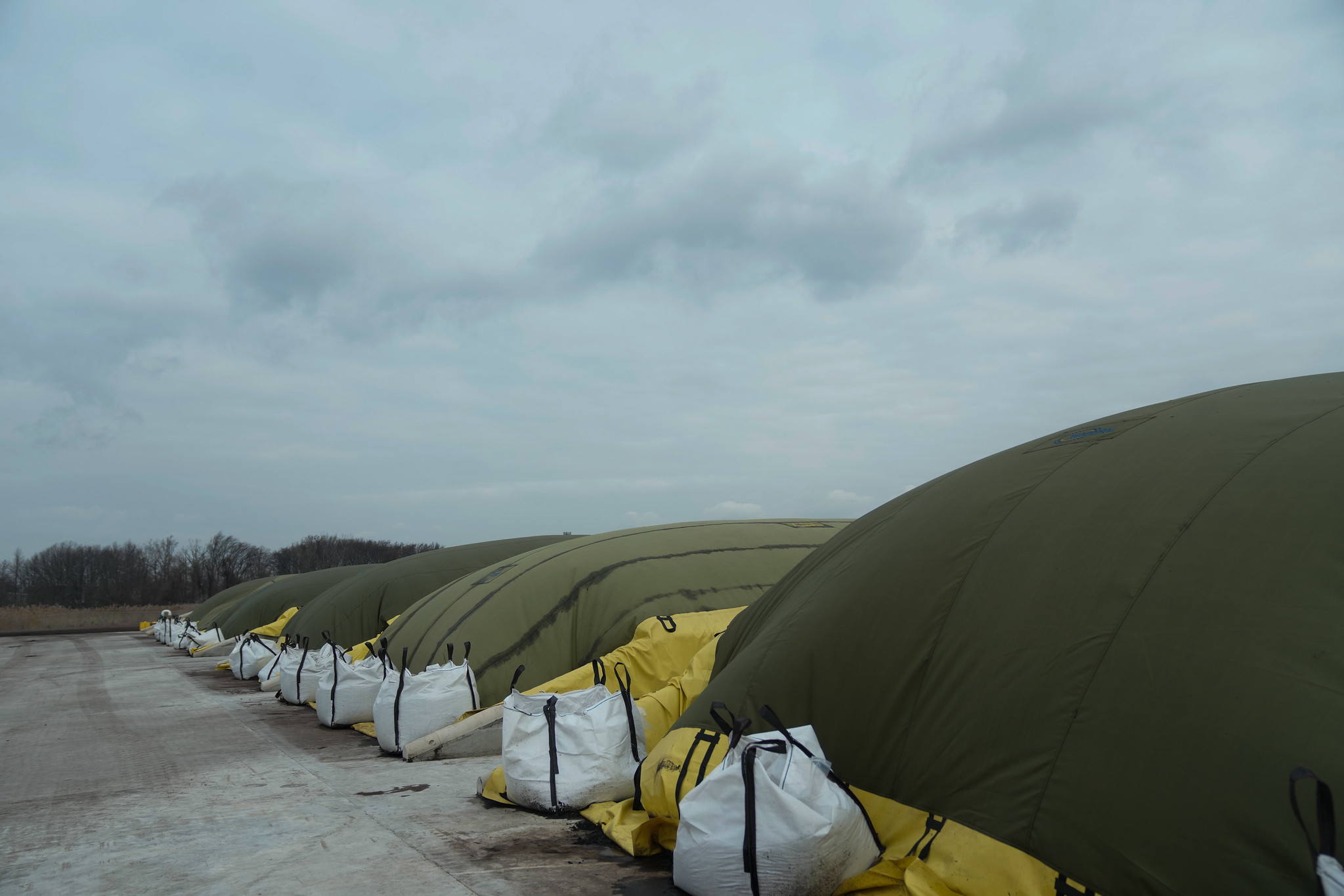
New York City Mayor Eric Adams and New York City Department of Sanitation (DSNY) Commissioner Jessica Tisch today celebrated a major expansion of capacity at the DSNY Staten Island Compost Facility that includes new equipment — known as an aerated static pile — that will increase the facility’s capacity to turn food waste into compost by nearly 2,000 percent. on Thursday, January 4, 2024. Image Credit – Michael Appleton/Mayoral Photography Office
“We are delighted about the announcement of school composting and are celebrating this victory for our schools and environment,” said Mayor’s Office of Food Policy Executive Director Kate MacKenzie. “Initiatives like Plant Powered Fridays, our new plant-based, scratch-cooked recipes, and our Food Education Roadmap have taken huge steps forward in reducing the environmental impact of food served in our schools, but that is only one piece of the equation. We need to address what happens to food left on students’ plates. We are excited to see students being able to participate in sustainable food waste disposal in their own cafeterias.”
“Composting programs are needed to provide New York City students the chance to reduce food waste and learn more about the importance of reducing greenhouse gas emissions at the source,” said Mayor’s Office of Urban Agriculture Executive Director Qiana Mickie. “The Mayor’s Office of Urban Agriculture applauds the efforts of DOE, the largest public school system in the country, for making composting a reality at all public schools.”
For roughly a decade, less than half of New York City public schools separated their compostable material. That changed less than two years ago, when Mayor Adams, DSNY Commissioner Tisch, and DOE Chancellor Banks kicked off the most aggressive expansion of school composting the city has ever seen, with over 1,000 schools converting to composting service since January 2022. With the most recent addition of 150 schools in Brooklyn and Queens, the Adams administration has reached its goal of bringing composting to every public school in the city three months ahead of schedule.
Each school has received training for custodial staff, faculty, and students to learn the right way to separate compost and the importance of doing so. Many schools have student “Green Teams” or “cafeteria monitors” who remind peers how to sort compost, and each school designates a sustainability coordinator on their staff to promote climate action in their school. School lunch areas now have stations with several containers: a bin to dump liquids; a bin for food waste, compostable trays and silverware, and food-soiled paper; a bin for milk cartons, rigid plastic, and metal; and a bin for the small amount of trash that is neither recyclable nor compostable — usually just thin, plastic film. Custodial staff then place the food waste at the curb in sealed, rat-proof bins for pickup five evenings a week. Schools can access ongoing support from New York City public schools to divert waste from landfills.

New York City Mayor Eric Adams and New York City Department of Sanitation (DSNY) Commissioner Jessica Tisch today celebrated a major expansion of capacity at the DSNY Staten Island Compost Facility that includes new equipment — known as an aerated static pile — that will increase the facility’s capacity to turn food waste into compost by nearly 2,000 percent. on Thursday, January 4, 2024. Image Credit – Michael Appleton/Mayoral Photography Office
This school composting milestone comes as the city embarks on the final phase of launching the nation’s largest and easiest curbside composting program, bringing curbside composting to every single resident in New York City by this fall. After the initial rollout of this program, last year’s Mayor’s Management Report showed that New Yorkers composted a record 200 million pounds of material in Fiscal Year 2023. The expansion of curbside composting service will continue to get more and more food waste out of black bags and out of landfills.
New York City schools generate more than 80 million pounds of refuse per year, over 47 percent of which is food waste and food-soiled paper. When allowed to decompose at a landfill, food waste creates methane, a potent and dangerous greenhouse gas. Separating compostable material from trash is one easy way to ensure a cleaner, greener city. Additionally, since the curbside composting program was expanded to include all rodent mitigation zone schools in the Bronx last school year, there has been a 38 percent decrease in active rat signs.
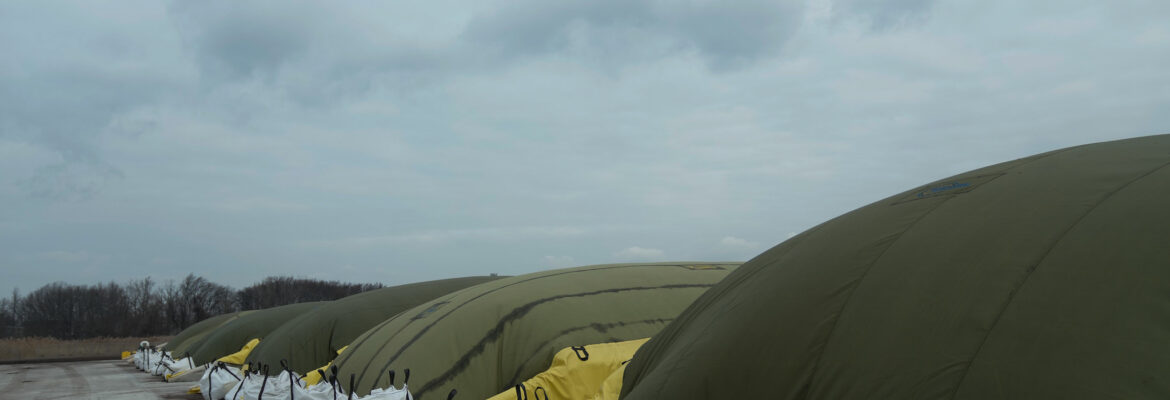
Banner Image: New York City Mayor Eric Adams and New York City Department of Sanitation (DSNY) Commissioner Jessica Tisch today celebrated a major expansion of capacity at the DSNY Staten Island Compost Facility that includes new equipment — known as an aerated static pile — that will increase the facility’s capacity to turn food waste into compost by nearly 2,000 percent. on Thursday, January 4, 2024. Image Credit – Michael Appleton/Mayoral Photography Office



There are no comments yet
Why not be the first