
Rodenticide Poisoned Birds Of Prey Inspired Flaco’s Law: PETA Celebrates Rats’ Rights! Passage Will Save Scores of Little Lives
PETA Celebrates Rats’ Rights! Passage of Flaco’s Law Will Save Scores of Little Lives
Editor’s note: This law does not ban these products for consumer use, and many of the rats consumed by owls, hawks, and other raptor birds are killed because of poisons used in residential homes. You can see the beauty of the raptor birds in our article about Staten Island’s Raptor Fest.
The following description of the law, which is named after a beloved owl named Flaco who died after eating a rat who had eaten poison, comes from an article from The City published on the City Council’s website:
“The New York City Council on Thursday introduced a bill to protect the city’s wildlife — inspired by the death of Flaco the owl and other birds of prey sickened by eating poisoned rats.
“Flaco’s Law” would include changes to how the city mitigates its rat population, encouraging a different kind of birth control for the rodents — instead of poison…
“We can’t poison our way out of this, we cannot kill our way out of this,” he said, noting the unintended consequences of using rodenticide — like a Rottweiler puppy who died after eating poison while walking in Washington Heights. The poison also contributes to untold animal deaths each year, including Flaco’s, THE CITY previously reported.
“Under his proposed bill, the city’s Department of Health and Mental Hygiene would work with the Department Sanitation to launch a pilot program to send out pellet-like contraceptives in the city’s “rat mitigation zones.” There would be at least two pilot program areas covering at least 10 city blocks and last at least half a year, per the bill.”
NYC Bird Alliance has been fighting to get rodenticides banned by everyone including consumers for some time, as these products are devastating to birds of prey.
The following is from their website:
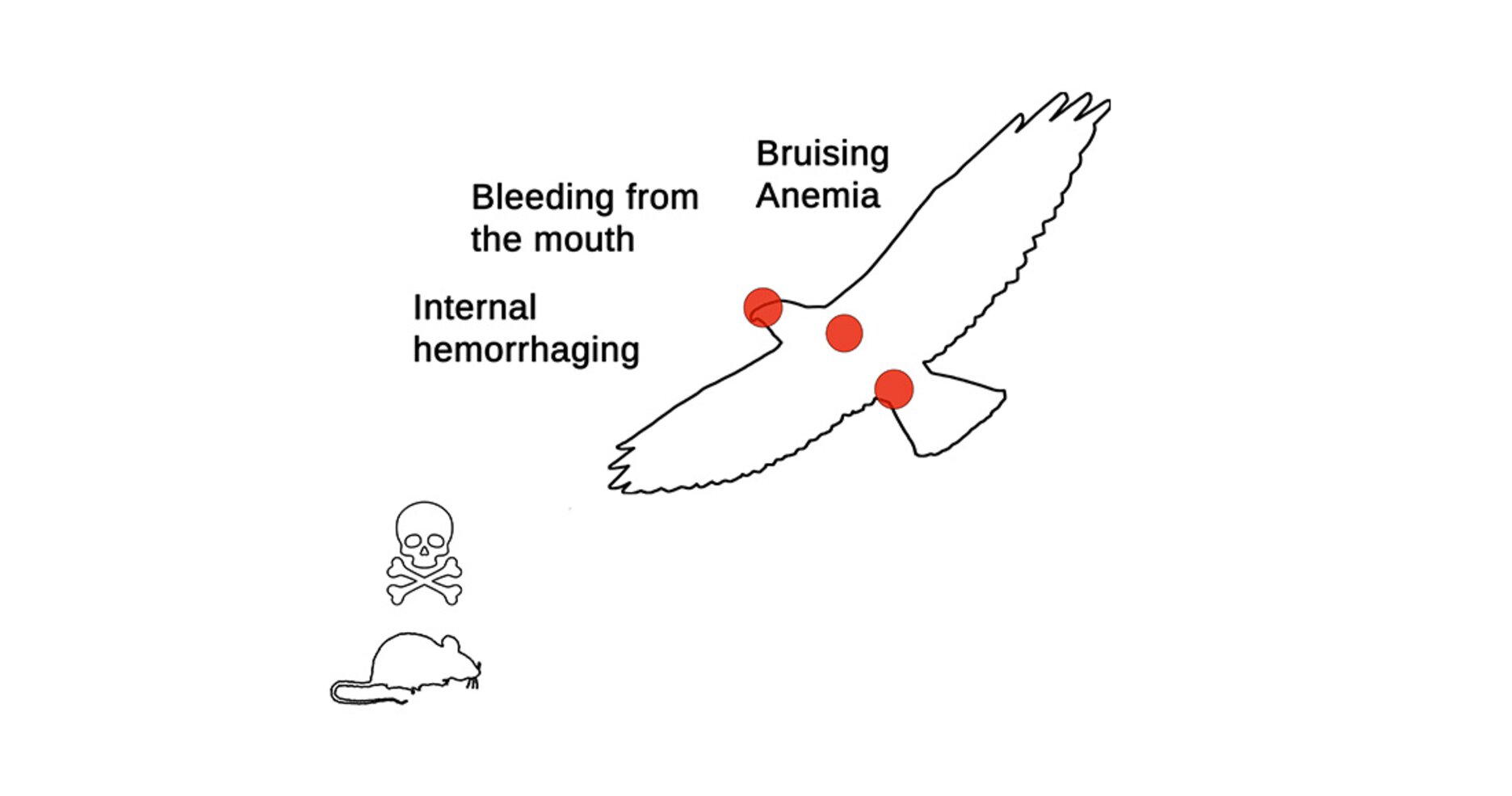
The methods we use to control rodents can have a devastating impact on our birds of prey. Rodenticides, also called rat poisons, are commonly used to control rodent populations. One type, called anticoagulant rodenticides, cause death by stopping normal blood clotting. Anticoagulant rodenticides pose a serious risk to rodent predators such as hawks and owls: Rodents that eat the poison bait may not die for several days, and during that time become slow and sick, easy targets for predators.



There are no comments yet
Why not be the first