

U.S. Supreme Court Ruling On North Dakota Law Could Kill ‘Heartbeat Bill’
Flickr
Creative Commons
Editor’s note: Readers may remember our review of the short documentary film ‘The Devil is Busy,’ now available on HBO. It shows the reality for women in states with total abortion bans as well as the issues specifically related to the heartbeat aspects of bills like the one in question. Bills like this make it so that even when a pregnant woman needs an abortion to save her own life, she may not be able to get it because no OB wants to actually risk jail. This makes it so that women who are in danger from the pregnancy cannot get the care they need. We also reviewed PBS’ movie ‘Under G_d,’ which again demonstrates the difficult choices women in these states that ban abortion have to face.
The original article can be found here.
The U.S. Supreme Court is blocking North Dakota from enforcing strict new restrictions on abortions.
That effectively kills the law, and it could spell the end of a similar proposal here in Ohio.
Ohio’s so-called “Heartbeat Bill” would also ban abortion at the first detectable fetal heartbeat. It passed the House last year, but hasn’t moved in the Senate. And recently, Senate President Keith Faber explained why he, an abortion opponent, would not vote to pass that legislation.
“The reality is the “Heartbeat Bill”, while in concept goes to what most members who are pro-life believe in, is not going to save any babies because it is going to get struck down. It is going to get enjoined,” said Faber.
Indeed, that’s the bottom line of the U.S. Supreme Court’s ruling blocking North Dakota’s new heartbeat law and upholding a lower federal appeals court ruling on the matter.
The attorney general in North Dakota has said the ruling means the law is officially dead.
The decision doesn’t come as a surprise to Ohio Right to Life’s Mike Gonadakis. He says his group has not endorsed Ohio’s bill because of questions of constitutionality, and he thinks this latest challenge doesn’t help the case for other recent laws to ban or restrict abortions.
“When you have the highest court in the land continue to build upon rejection of pro-life measures, it builds precedents for future justices to rely on,” Gonadakis said.
Kellie Copeland with NARAL Pro Choice Ohio also says she’s not surprised by the high court’s decision.
“Certainly this is a good signal going into deliberations that the Supreme Court will have beginning in March on the case out of Texas about whether states can implement regulations that are designed to close abortion clinics but are cloaked in the ruse that they have to do with women’s medical care and health.”
Copeland says Ohio has similar laws on the books and says it’s all part of a trend nationally to close abortion clinics.
“Certainly it is a strategy that we have seen played out all over the country where things like how many parking spaces you have to have or do you have a signed piece of paper that doesn’t impact patient safety are excuses, excuses to close abortion clinics that otherwise have impeccably safe records and low complication rates,” said Copeland.
But one of the key supporters of Ohio’s “Heartbeat Bill” is not dissuaded by the Supreme Court’s ruling. Republican Representative Ron Hood says for starters, Ohio’s heartbeat abortion bill is different than North Dakota’s law.
“The ‘Heartbeat Bill’ in Ohio is focused on whether or not there is….a heartbeat can be detected as opposed to like a particular arbitrary time limit.”

But aside from that, Hood says it’s a good thing to pass Ohio’s “Heartbeat Bill,” even if it is appealed into a federal court. He says the goal is to get a ruling by the United States Supreme Court.
“If we have more appellate courts asking them to take the case, we feel that it increases our chances of taking the case.”
But for now, it appears the “Heartbeat Bill” is on the back burner in the Senate. What is on the front burner right now is a bill to defund Planned Parenthood of $1.3 million in state money.
The House-passed bill – which has a Republican and a Democratic sponsor – is being taken up in the Senate. And this is happening while the state of Texas has filed multiple charges against two people who were instrumental in making a video charging Planned Parenthood with selling fetal body parts.
A grand jury there cleared the organization of selling fetal body parts but charged two people behind the video with felony charges of tampering with a governmental record and one of them has been charged with a misdemeanor related to purchasing human organs.
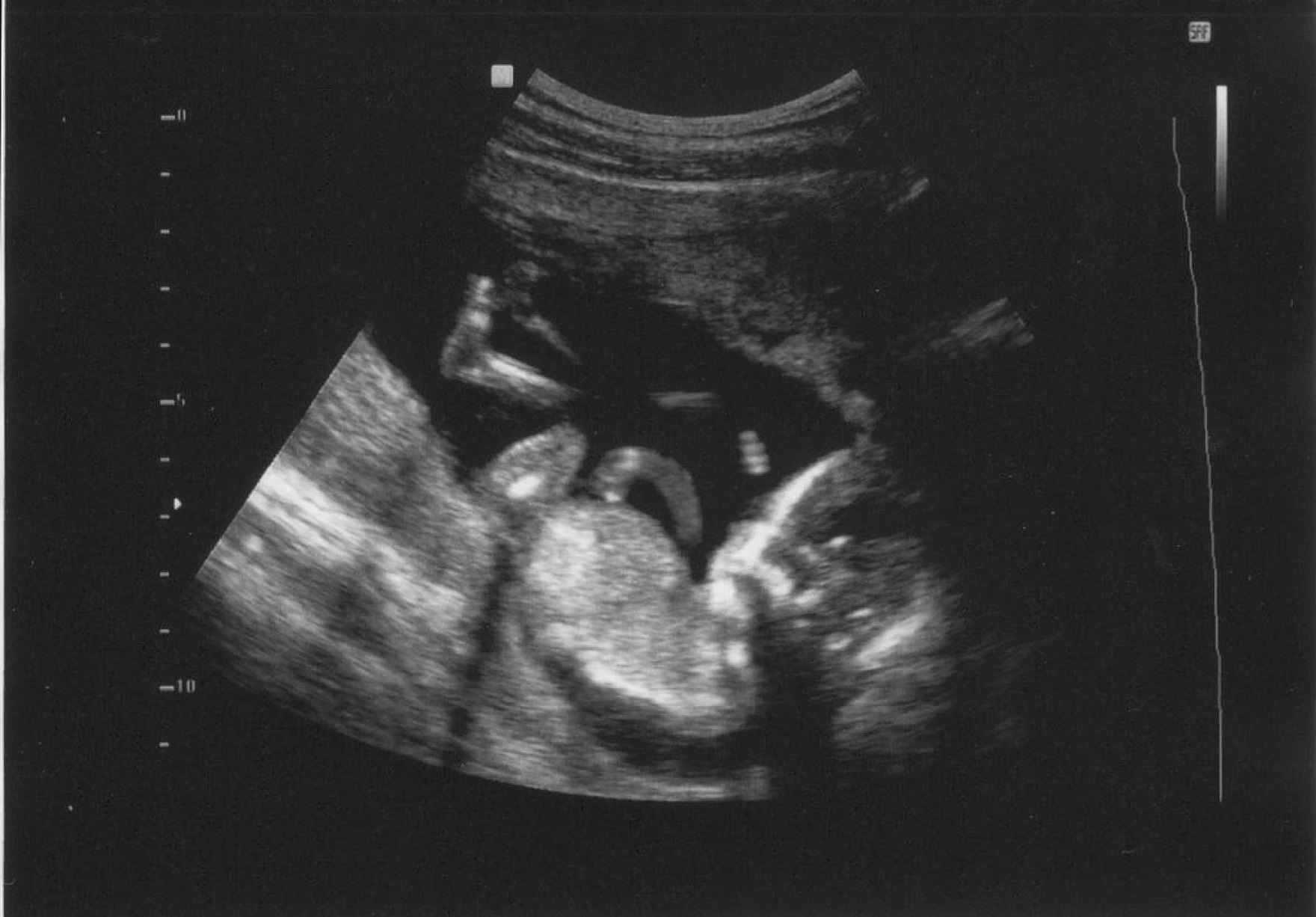
Banner Image: Ultrasound. Image Credit – Volodymyr Hryshchenko


There are no comments yet
Why not be the first