
New York’s Senator: Slashing Programs Helping Families For Iran War, Withholding Military Promotions, Iran Girls School Investigation, EPA Guts State / Tribal Clean Water Rights, Protecting Voting Rights, Aging Americans In Workforce Hearing
New York’s Senator: Slashing Programs Helping Families For Iran War, Withholding Military Promotions, Iran Girls School Investigation, EPA Guts State / Tribal Clean Water Rights, Protecting Voting Rights, Aging Americans In Workforce Hearing
Editor’s note: Readers can view our previous rundown for Senator Gillibrand here. It included more information about the effects of the Medicaid and Medicare cuts on seniors in our communities, along with negative effects it is already having on older adults nationwide. The Aging Committee Hearing described below can be viewed in its entirety in the video below:
In this hearing, experts provided testimony on several issues related to Social Security and older Americans in the workforce. Of particular interest was the Retirement Earnings Test, which is an often misunderstood metric that affects when someone starts collecting Social Security. It acts as a 70% tax on any earnings above a meager $20k per year. However, what is even less sensible is that a worker somehow gets this tax back – if they live long enough. This affects the decision to retire, to stop working, to start collecting SS benefits, etc. This was started during the Great Depression with the explicit purpose of pushing older workers out. This has become a barrier and hindrance in the modern world. Additionally, the RET was repealed for workers 65 and over, and younger workers, age 62 to 65, feel left out. The speakers also testified regarding the misconceptions concerning older people in the workforce. The fastest growing segment of employees is those over 75 – not 65 but 75. They talked about the issues these Americans face regarding discrimination, health insurance benefits, training, and more. While many seniors return to work or remain in the workforce out of financial need, a similarly large number do so for connection and purpose. The government should make these transitions easier not harder.
GILLIBRAND STATEMENT ON PRESIDENT TRUMP’S REQUEST TO SLASH PROGRAMS THAT HELP AMERICAN FAMILIES IN ORDER TO FUND HIS WAR IN IRAN
Washington, D.C. – Today, in response to the release of President Trump’s budget request calling for a $73 billion cut to domestic programs in favor of a massive increase in defense spending, U.S. Senator Kirsten Gillibrand (D-NY), ranking member of the Senate Appropriations Subcommittee on Transportation, Housing and Urban Development, issued the following statement:
“Once again, President Trump is putting endless wars first and working families last. Americans are struggling with the sky-high cost of groceries, gas, electricity, and life-saving prescription drugs. Instead of focusing on bringing down prices and helping people get ahead, the president wants to slash vital programs that help them afford everyday essentials and keep roofs over their heads, all to fund his reckless and unconstitutional military adventurism. It’s simply wrong.
“Earlier this week, the president said it was ‘not possible’ for the federal government to fund Medicare, Medicaid, and child care for American families because we need to focus on ‘military protection.’ He clearly intends to follow through on that idea, and we cannot let him. I urge my colleagues in Congress to reject the president’s absurd demands and continue to fund programs that help the American people and our economy thrive, not waste billions of taxpayer dollars on an increasingly expensive and deadly war that nobody wants.”
President Trump’s budget would significantly decrease funding for health research, education, energy investments, and housing and homelessness assistance, among many other critical programs that help American families get by. This includes eliminating the Low-Income Home Energy Assistance Program (LIHEAP), which 1.2 million New York families depend on to help afford their energy bills, as well as defunding programs that support the development of affordable housing.
The president’s budget request also contains cuts to transportation programs that are vital to New York families. This includes a $327 million cut to Amtrak; a $485.5 million cut to the Capital Investment Grants Program, which provides federal funds for improving and expanding transit systems; and a $371.6 million cut to the Essential Air Service program, which supports air service to small and rural communities, including five airports in New York (Massena International Airport, Ogdensburg International Airport, Plattsburgh International Airport, Adirondack Regional Airport, and Watertown International Airport).
War in Iran funding. Image Credit – Sen. Gillibrand
ICYMI: GILLIBRAND DEMANDS DETAILS ABOUT TRUMP ADMINISTRATION WITHHOLDING MILITARY PROMOTIONS
Washington, D.C. – Today, U.S. Senator Kirsten Gillibrand (D-NY), a member of the Senate Armed Services Committee (SASC), demanded more information following reports that Defense Secretary Pete Hegseth has blocked or delayed promotions for over a dozen Black and female senior officers across all four branches of the military.
Gillibrand’s letter to SASC Chairman Roger Wicker (R-MS) requests a closed hearing concerning Secretary Hegseth’s actions to examine whether they may have been motivated by politics or inappropriate bias.
The full letter can be found here or below:

Dear Chairman Wicker,
I am writing to request a closed hearing concerning the Secretary of Defense’s decision to withhold promotions for officers selected for promotion to general officer. Public reports allege that these holds may have been motivated by political ideology, inappropriate bias, or immutable and constitutionally protected characteristics rather than merit. Military advancement must remain strictly meritocratic and based on performance.
As a former Chair of the Personnel Subcommittee, I know that there are many appropriate reasons for withholding promotions, and examining the basis of the holds often involves sensitive or adverse information that warrants certain privacy safeguards for the officers in question. It is critical that we both assert the constitutional oversight role of the Senate and ensure that our military is selecting the best candidates for promotion to general officer based solely on merit, free of unlawful bias or prejudice. A closed hearing will ensure that we can protect the privacy of these officers while gathering information to understand the justification for withholding their promotions, with the goal of demonstrating to our colleagues in the Senate and to the American people that they can remain confident in a military promotion system based on individual merit and demonstrated performance.
Sincerely,
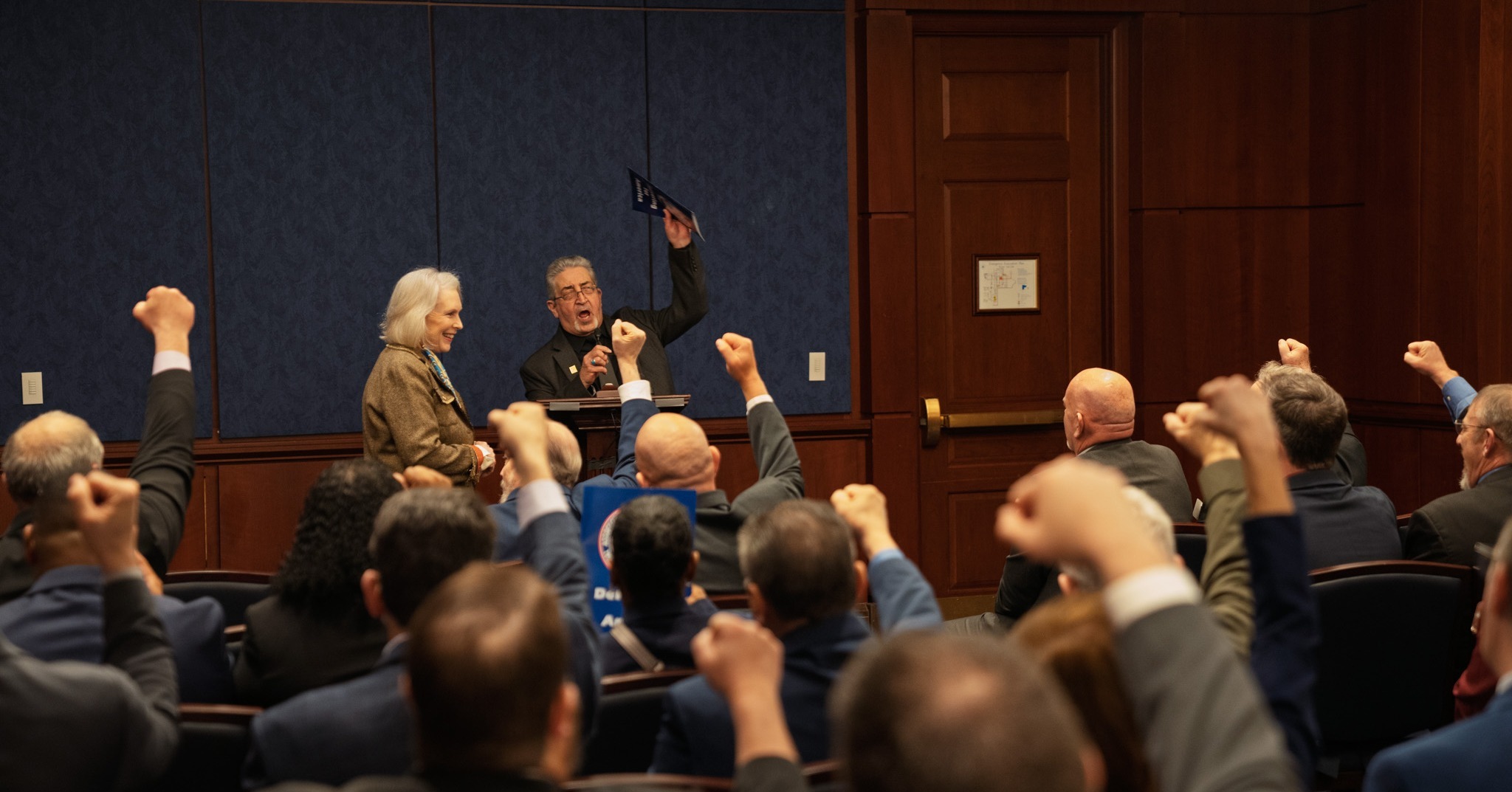
Senator Gillibrand. Image Credit – Sen. Gillibrand
GILLIBRAND DEMANDS BIPARTISAN INVESTIGATION INTO DEADLY BOMBING OF IRANIAN ELEMENTARY SCHOOL
Gillibrand is requesting a public hearing and bipartisan investigation into the deadly Tomahawk missile strike on an Iranian elementary school in February
An ongoing military investigation has determined that the United States is responsible for the strike, which killed at least 168 people, most of them children
Washington, D.C. – U.S. Senator Kirsten Gillibrand (D-NY), a member of the U.S. Senate Armed Services Committee (SASC), is calling for a bipartisan investigation into a February deadly Tomahawk missile strike on an Iranian elementary school. The errant attack killed at least 168 people, most of them children. According to the New York Times, an ongoing military investigation has determined that the United States is responsible for the strike.
“America has the most sophisticated military technology in the world. It is absolutely unacceptable that one of our missiles hit a school, killing dozens of children,” said Senator Gillibrand. “I will continue to demand answers about this attack until the American people get the transparency they deserve and until processes are implemented to avoid similar tragedies in the future.”
In a letter to SASC Chairman Roger Wicker (R-MS), Gillibrand and 24 of her Senate Democratic colleagues asked for a report and public hearing on the strike. The senators also requested information on who was responsible, how the target was selected, and what processes are being developed to ensure similar tragedies are not repeated in the future.
“Massive civilian casualty incidents like the attack in Minab are devastating to the Iranian civilian population and risk both undermining U.S. national security interests and rallying domestic support for the Iranian regime,” the senators wrote in the letter.
“The United States’ global reputation is tied to our adherence to rules of engagement and laws of war. Failure to follow these rules and laws risks hardening our adversaries’ resolve, especially considering Secretary Hegseth’s call to show ‘no quarter, no mercy for our enemies’…it is crucial that Congress reassert its Article I power and ensure the Department of Defense’s civilian leadership is complying with the law as it conducts operations against Iran.”
Gillibrand has led the fight for answers on the attack since it occurred in February. At a SASC hearing last month, she pressed military leadership about the attacks, demanded a hearing on the topic, and called on Defense Secretary Pete Hegseth to resign over the strike.
A copy of the letter can be found here and the text is below:
Dear Chairman Wicker,
We write to request the United States Senate Committee on Armed Services (“the Committee”) launch a bipartisan investigation, culminating in a report and public hearing, into the strike on Shajareh Tayyebeh Elementary School for girls in Minab, Iran that reportedly killed at least 168 people – mostly children – on the first day of U.S. operations against Iran on February 28, 2026. Congress and the Committee have a constitutional responsibility to conduct robust oversight of the U.S. Department of Defense’s operations in Iran to provide an appropriate check and balance on the Trump administration’s use of the world’s most powerful military, and this catastrophic airstrike urgently warrants congressional oversight and accountability.
The majority of those killed in the strike were girls between the ages of seven and 12 years old. Neither the United States nor the Israeli Government has yet taken formal responsibility for this attack. On March 4, Secretary of Defense Hegseth acknowledged that the United States was “investigating” the strikes at the school, saying “All I know, all I can say, is that we’re investigating that,” but he shared no information about a timeline for review or a commitment to accountability. The New York Times reports that preliminary findings from the ongoing military investigation have “determined that the United States is responsible for [the] deadly Tomahawk missile strike” on the school, according to officials and analysis of available evidence. The Washington Post reports that the school was “on a U.S. target list and may have been mistaken for a military site.” Reporting further suggests that U.S. forces struck the school using outdated data provided by the Defense Intelligence Agency, despite historical satellite imagery showing that the building had been walled off from the military base and used as a school since at least 2016.
Massive civilian casualty incidents like the attack in Minab are devastating to the Iranian civilian population and risk both undermining U.S. national security interests and rallying domestic support for the Iranian regime. Congress has not declared war nor authorized the use of military force against Iran, and the Trump administration has continually failed to provide a clear rationale for the war, the objectives it seeks to accomplish, or a strategy for achieving those objectives. Notwithstanding our assessment of this war’s legality and constitutionality, the United States has a responsibility to engage in this operation in adherence to our laws and values.
Secretary Hegseth’s own comments have not inspired confidence that the Department of Defense is taking the concern of civilian casualties seriously. On March 3, 2026, Secretary Hegseth stated that Operation Epic Fury would have “no stupid rules of engagement.” The United States’ global reputation is tied to our adherence to rules of engagement and laws of war. Failure to follow these rules and laws risks hardening our adversaries’ resolve, especially considering Secretary Hegseth’s call to show “no quarter, no mercy for our enemies.” Additionally, our adversaries may submit our Servicemembers to reciprocal treatment, exposing them to the precise physical and psychological abuses the Geneva Conventions were signed to prevent. Therefore, it is crucial that Congress reassert its Article I power and ensure the Department of Defense’s civilian leadership is complying with the law as it conducts operations against Iran.
The February 28 Minab strike on a school full of young girls may be remembered as one of the most devastating and tragic errors in modern American military history. It demands congressional scrutiny. We respectfully request your inquiry to determine:
- Whether, as initial reporting suggests, U.S. forces were responsible for the strike on the school in Minab as part of preselected, day on strikes;
- If so, how this target was selected, including any role artificial intelligence played;
- How outdated intelligence was used;
- Who approved the targets;
- What systems or mechanisms the department used in Operation Epic Fury to prevent civilian harm incidents;
- Why the systems failed so completely on day one of this operation;
- What process the U.S. Department of Defense is using to investigate the incident;
- What the findings of any military investigation are;
- Any recommendations of the military investigation for accountability actions, and
- What processes are being deployed to ensure similar tragedies are not repeated in the future.
We respectfully request the Committee conduct a thorough investigation of this incident in a transparent manner for the preservation of our military’s integrity and reputation.
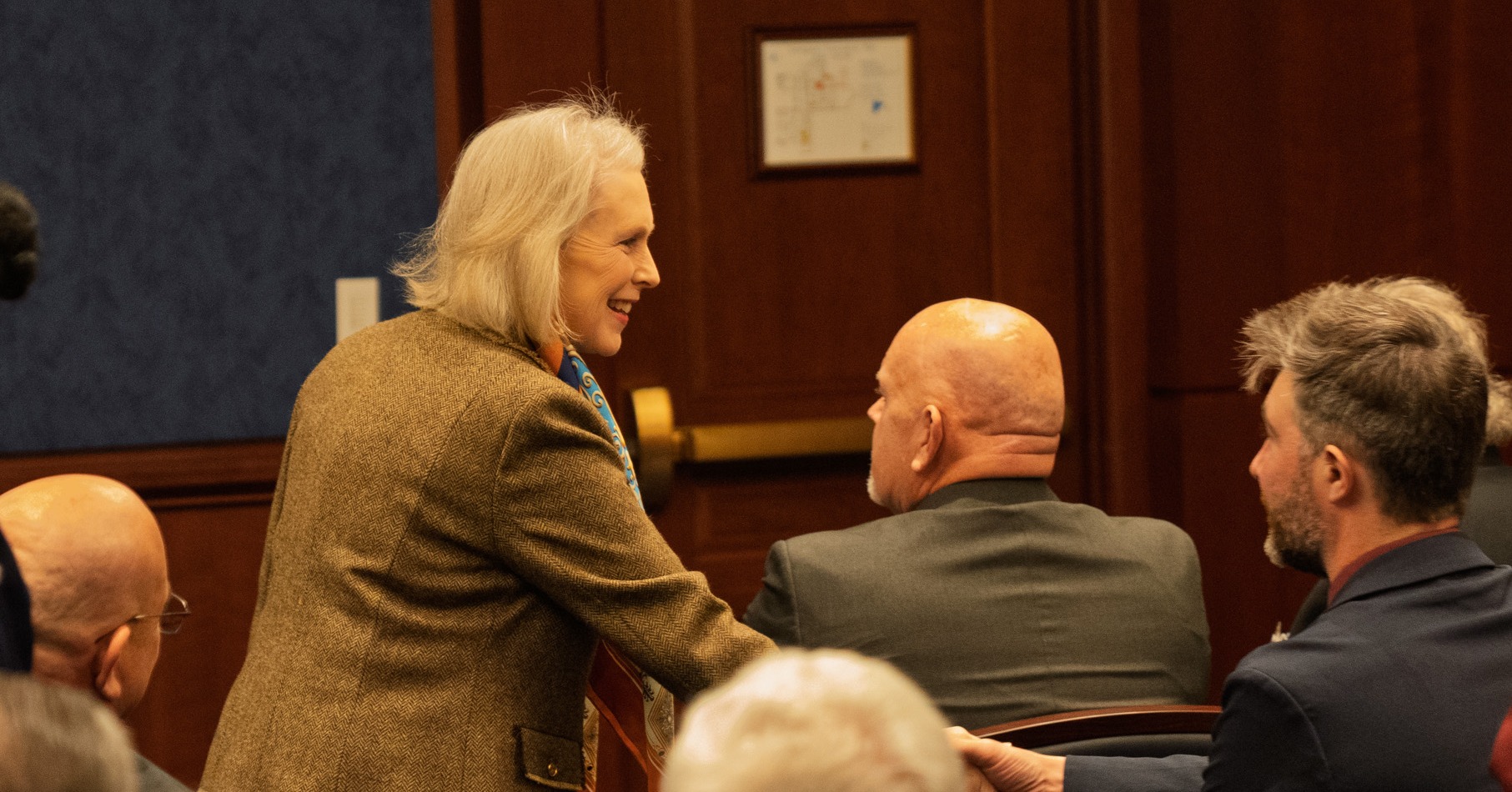
Senator Gillibrand. Image Credit – Sen. Gillibrand
GILLIBRAND, COLLEAGUES STRONGLY OPPOSE PROPOSED EPA RULE THAT WOULD THREATEN STATE, TRIBAL RIGHTS TO REGULATE WATER QUALITY
Washington, D.C — Today, U.S. Senator Kirsten Gillibrand (D-NY) joined ten of her Senate Democratic colleagues in strongly opposing a proposed rule from the Environmental Protection Agency (EPA) that would threaten states and Tribes’ ability to protect the quality of their water. The EPA’s proposed rule would limit the application of Section 401 of the Clean Water Act, rendering states and Tribes effectively unable to regulate many of the water quality impacts of hydropower dams and other projects within their lands.
In their letter to EPA Administrator Lee Zeldin and Assistant Administrator for Water Jess Kramer, the senators warned that the proposed rule would eviscerate the Clean Water Act’s core principle of cooperative federalism and leave states and Tribes without the necessary authority to protect their waters.
“For far too long, our Tribal communities have been subject to unjust legislation that undermines their autonomy and diminishes their quality of life,” said Senator Gillibrand. “Under the Clean Water Act, the EPA successfully allowed states and Tribal communities to weigh in on projects that could affect the quality of water on their lands. This new proposed rule would limit their ability to address pollution and keep their water usable for current residents and future generations. I am urging EPA to abandon this rule and instead continue working with state and Tribal authorities as Congress intended.”
The senators warned that EPA’s proposed rule would also reduce opportunities for Tribes to protect water quality by repealing a provision from the 2023 rule that allows them to develop their own regulations.
“This is a step backward, and Tribes have not even had sufficient time to apply for or implement these new authorities before EPA seeks to reverse course. Rather than providing clarity, this change would create additional uncertainty in the regulatory process,” wrote the senators.
“We urge EPA to preserve States and Tribes’ broad authority under the Section 401 certification process,” continued the senators. “The Clean Water Act has been successful for decades in large part because EPA has recognized and deferred to State and Tribal authority over water quality impacts within their lands. We respectfully request that EPA preserve this tradition of cooperative federalism.”
Hydropower dams, more than 400 of which must be relicensed within the next decade, can lead to severe water quality impacts and habitat loss in stream systems. Dam operations can significantly alter water temperature, sediment, oxygen, and flow level, which could result in harmful algal blooms, making the water unusable for drinking or swimming. Because these impacts stem from the structure and operation of the dam itself rather than the discharge of additional pollutants, the senators cautioned that they could fall outside the scope of state and Tribal review under EPA’s proposed rule.
“The Proposed Rule casts doubt on the state’s ability to use the most effective tools to address pollution problems from hydropower projects,” added the senators.
In addition to Senator Gillibrand, the letter was also signed by Senators Alex Padilla (D-CA), Richard Blumenthal (D-CT), Jeff Merkley (D-OR), Bernie Sanders (I-VT), Adam Schiff (D-CA), Jeanne Shaheen (D-NH), Chris Van Hollen (D-MD), Ron Wyden (D-OR), Patty Murray (D-WA), and Maria Cantwell (D-WA).
The letter is also supported by American Whitewater, Friends of the River, Conservation Law Foundation, Hydropower Reform Coalition, American Sustainable Business Network, Friends of Merrymeeting Bay, NETWORK Lobby, and South Yuba River Citizens League.
“Section 401 of the Clean Water Act is a proven, common-sense tool that ensures local voices are heard on local impacts. Tribal and state leaders must have a meaningful role in managing their water resources. Weakening this authority undermines critical safeguards that protect drinking water and public health,” said Kelly Catlett, Senior Advisor, American Rivers Action Fund.
“EPA’s proposal to weaken states’ and Tribes’ ability to protect their waters from harm caused by federally permitted projects is unjustified and unjustifiable,” said Jon Devine, Director of Freshwater Ecosystems, NRDC.
“The most recent moves by Trump’s EPA to weaken section 401 of the Clean Water Act erodes the right of states and Tribal Nations to enforce water quality standards, including conditionally approving or denying permits. Rather than giving corporations a free pass to pollute our water supply and put our public health at risk, protections for communities should be strengthened at this moment,” said Mar Zepeda Salazar, Legislative Director, Climate Justice Alliance.
“EPA should not undercut the system of cooperative federalism set up by Congress that has allowed states and tribes to protect their local waterways from damaging federal projects for decades,” said Nancy Stoner, Senior Attorney at the Environmental Law & Policy Center.
Full text of the letter is available here and below:
Dear Administrator Zeldin and Assistant Administrator Kramer,
We write to express our strong objection to the Environmental Protection Agency’s (EPA’s) proposed rule limiting the application of Section 401 of the Clean Water Act, which would severely limit States and Tribes’ ability to regulate the water quality impacts of hydropower dams within their lands. By denying States’ and Tribes’ right to protect their waters and water quality, the proposed rule would eviscerate the Clean Water Act’s core principle of cooperative federalism.
Congress enacted Section 401 to address a specific regulatory gap: federally licensed or permitted activities that could affect water quality but would otherwise proceed without compliance with State and Tribal water quality requirements, which include designated uses (e.g., known drinking water sources), the criteria that protect those uses, and other requirements that relate to water quality. Section 401 ensures that States and Tribes retain authority to protect their waters and the communities dependent upon them before federal licenses are issued, reflecting Congress’s express policy to “recognize, preserve, and protect the primary responsibilities and rights of States” in preventing pollution. 33 U.S.C. § 1251(b).
Contrary to this Congressional intent, EPA’s proposed rule would severely constrict the scope of Section 401 water quality certifications, including their ability to address the impacts of more than 400 hydropower dams that must be relicensed within the next decade. Hydropower projects cause profound water quality impacts on stream systems, including: habitat loss; barriers to fish passage; harmful algae blooms; reductions in stream flows; alterations to stream geomorphology; and changes in temperature, dissolved oxygen, nutrients, metals bioaccumulation, and sediment-related conditions, like water clarity, silt, and erosion. These impacts often do not fall neatly into “discharges”, and their integrated nature dictates that they are best addressed by looking at the “activity as a whole.”
Take, for example, temperature. Hydropower alters the temperature regime of rivers, often to the detriment of cold-water species such as salmonids and other aquatic plants and animals that are adapted to colder waters. Water stored in reservoirs greatly increases the surface area exposed to heating by the sun and reservoir operations may reduce the extent of the area protected by shade. Large reservoirs “stratify” in summer: the water is warmer at the surface and cooler below the thermocline in deeper waters. Absent any control devices, or multi-level outlets, downstream temperature management is primarily achieved directly through flow management. In addition to changes in temperature due to reservoir storage and release, reservoirs also modify the temperature regime of downstream reaches by diminishing the volume of water below diversions for hydropower generation. Hydroelectric dams, which are generally built to take advantage of mountain gradients, also can block upstream fish migration; trapping fish in the typically warmer, valley reaches of a river, absent effective fish passage. Thus, in addition to the thermal impacts of the hydropower dams themselves, the facilities can prevent fish from reaching waters of appropriate temperature upstream.
As a result, diversions, reservoir storage, and dams contribute to altered water temperatures and flow regimes that injure and even kill salmon and other native aquatic species, encourage warm-water and non-native fishes, and alter the base of the food web. In addition, these conditions allow undesirable and toxic algae (e.g., Microcystis), and submerged nuisance aquatic vegetation (e.g., Egeria) to become established and potentially widespread. In sum, temperature impacts are directly related to hydroelectric facility construction and operations. Thus, as appropriate, certifications include requirements for temperature management to ensure protection of water quality and beneficial uses of a state’s waters. At times, these conditions are best expressed as temperature and flow requirements at point source discharges – at other times, water quality certifications address the issues more effectively through conditions aimed at other actions, such as habitat restoration to provide increased riparian shade or refugia and replace upstream lost habitat, reservoir operation requirements to manage cold-water pools, posting to warn the public about dangerous toxins, or measures to monitor and control nuisance species. The Proposed Rule casts doubt on the state’s ability to use the most effective tools to address pollution problems from hydropower projects.
In addition to severely limiting States and Tribes’ ability to address the water quality impacts of hydropower dams, the rule is problematic for other Federally permitted activities as well, including pipelines and Section 404 permits for discharges of dredged or fill material.
Under the proposed rule, Section 401 certifications could only address the impacts of dredged or fill material on those portions of affected wetlands or other waters that constitute waters of the United States. Some of the affected wetlands that lack a “continuous surface connection” or streams that are deemed to lack “relatively permanent” flow under the new proposed “Waters of the United States” rule could not be addressed by Section 401 certifications. This limitation of certification authority will create problems, even in states like California that have state law water quality permitting authority broad enough to address all of the affected wetlands or other waters. Where under current law the project would need to obtain only a Section 401 certification from the State, the proposed rule would force the applicant to file and the State to process two applications for two approvals—one for water quality certification and one for the state law permit—adding unnecessary delay and expense for both the State and the applicant.
Furthermore, the EPA’s proposed rule would reduce opportunities for Tribes to protect water quality. The 2023 rule appropriately recognized that a Tribe’s ability to develop regulations under Section 303(c) is not tied to its authority to exercise Section 401 to protect its waters. EPA now proposes to repeal this provision, removing a critical tool that supports Tribal water quality protection. This is a step backward, and Tribes have not even had sufficient time to apply for or implement these new authorities before EPA seeks to reverse course. Rather than providing clarity, this change would create additional uncertainty in the regulatory process.
We urge EPA to preserve States and Tribes’ broad authority under the Section 401 certification process. The Clean Water Act has been successful for decades in large part because EPA has recognized and deferred to State and Tribal authority over water quality impacts within their lands. We respectfully request that EPA preserve this tradition of cooperative federalism.
Thank you for your consideration.
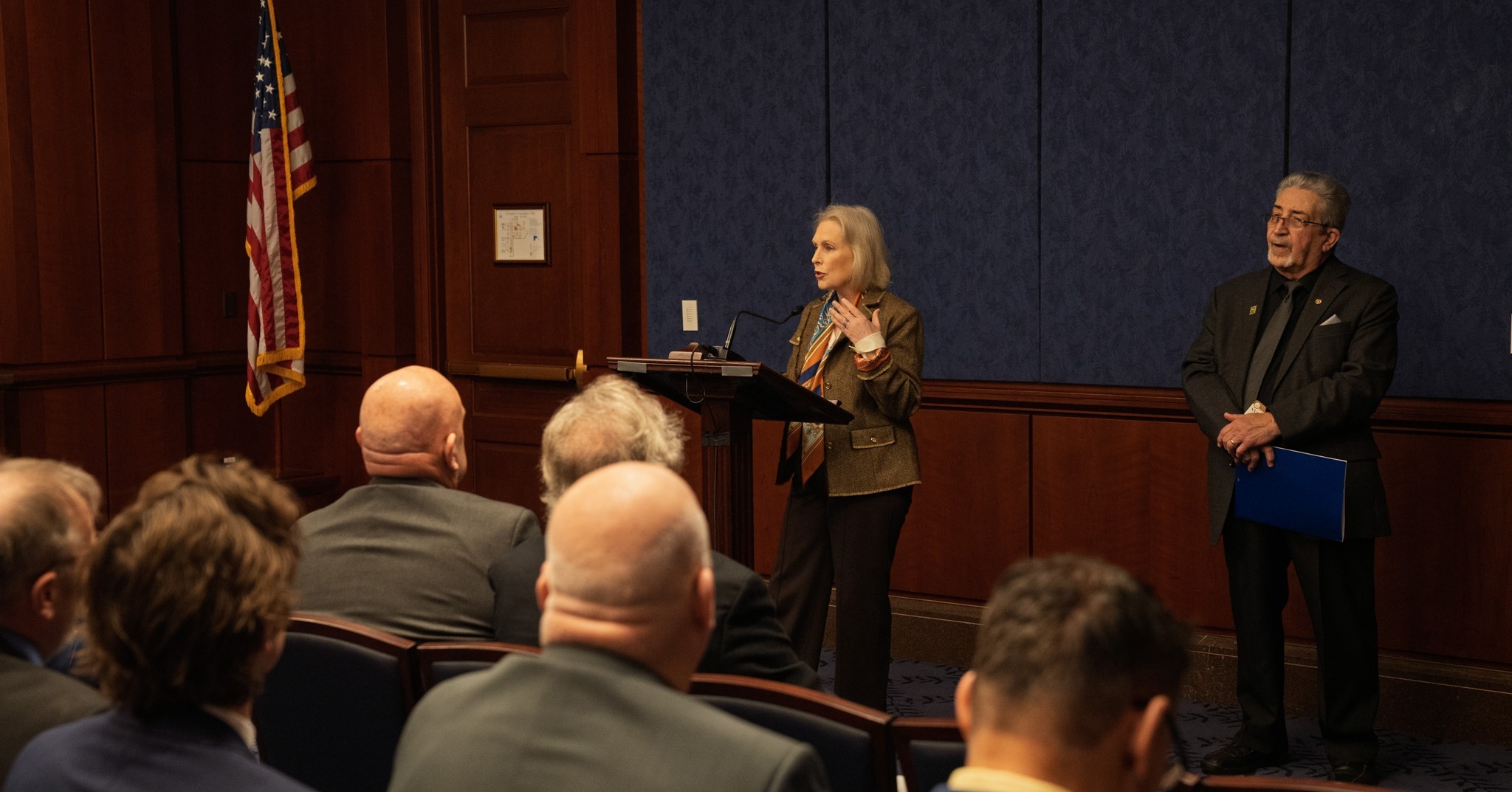
Senator Gillibrand. Image Credit – Sen. Gillibrand
GILLIBRAND, CLYBURN REINTRODUCE LEGISLATION TO PROTECT VOTING RIGHTS
Washington, D.C. – Today, U.S. Senator Kirsten Gillibrand (D-NY) and U.S. Representative Jim Clyburn (D-SC-6) reintroduced bicameral legislation to modernize America’s voter registration system and protect voting rights. The Voter Empowerment Act (VEA) would expand voter registration and voting access by requiring states to make online voter registration available, establish automatic voter registration systems, permit same-day voter registration, and accept voter registration applications from citizens under the age of 18.
“As Republicans across the country seek to pass voter suppression laws that will disenfranchise millions of voters, we must do more to make sure that voting is fair and accessible for all Americans,” said Senator Gillibrand. “The Voter Empowerment Act is commonsense legislation to modernize voter registration and protect our elections from interference. I am proud to introduce it alongside my good friend Rep. Clyburn, and I am determined to get it passed.”
“The right to vote is the bedrock of our democracy. While it should be a sacred and affirmed right for every eligible American, unfettered access to the ballot box continues to be under attack across the country, including with the dangerous SAVE America Act that Trump and MAGA Republicans are trying to ram through Congress,” said Congressman Clyburn. “Our democracy is only as strong as our ability to protect it. With President Trump openly boasting that the goal of the SAVE America Act is to guarantee election results regardless of the will of the voters, I urge my colleagues to join me in safeguarding the integrity of our elections.”
In recent years, many states have passed new voting restrictions, from limits on absentee ballots to onerous voter ID requirements. These restrictions were empowered by the Supreme Court’s decision in Shelby County v. Holder (2013) overturning preclearance requirements from the Voting Rights Act of 1965 – allowing states to pass restrictive voting legislation without federal oversight. As of late 2024, at least 31 states had passed 114 new restrictive voting laws in the wake of the Supreme Court’s ruling.
The reintroduction of the VEA also comes as President Trump and his Republican allies in Congress are trying to further restrict voting and voter registration through the SAVE America Act.
The VEA responds to recently proposed federal and state-level restrictions by improving and protecting voter registration for all voters. Specifically, the bill would:
- Modernize and streamline voter registration. The bill would require states to provide both same-day and online registration – including the option to update personal information online. States would also be required to automatically register voters whose information passes through another state or federal agency.
- Prohibit interference in voter registration. The VEA would prohibit anyone from hindering another person from registering to vote and outlaw voter caging – the practice of removing voters from voter rolls because mail sent to them was returned to sender.
- Improve accessibility for individuals with disabilities. The VEA would require a broad range of improvements to voter registration, polling places, and absentee voting to better accommodate individuals with disabilities.
- Increase and protect access to the ballot box. The bill would establish minimum requirements for early voting access, prevent states from adding extra conditions to absentee voting, and require states to notify individuals when their polling place changes. The bill would also protect the right to vote for convicted criminals (unless actively serving a felony sentence) and allow a sworn written statement or student ID to fulfill state-mandated ID requirements.
- Permanently reauthorize the Election Assistance Commission (EAC). The VEA would also direct the EAC to provide grants for states to implement activities that advance and secure the right to vote, including the recruiting and training of poll workers.
The full text of the VEA can be found here.
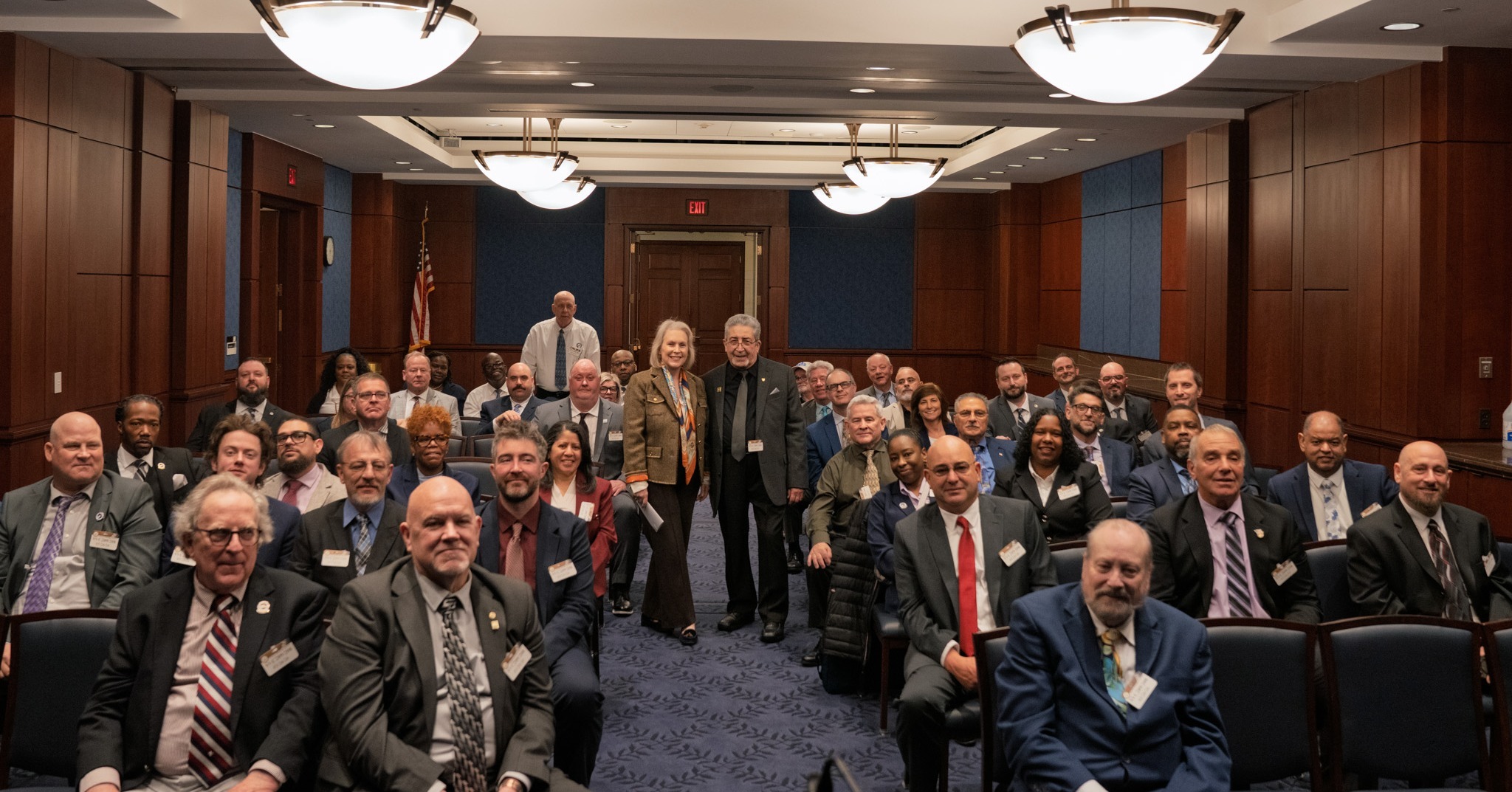
Senator Gillibrand. Image Credit – Sen. Gillibrand
GILLIBRAND, SCOTT TO HOLD HEARING HIGHLIGHTING AGING AMERICANS’ ROLE IN THE U.S. WORKFORCE
Washington, D.C. – TODAY, Wednesday, March 25 at 3:30 PM: Ranking Member Kirsten Gillibrand and Chairman Rick Scott will convene a Senate Aging Committee hearing to discuss the need to support seniors as they navigate their work and retirement journey. This hearing builds on the committee’s work to remove barriers and increase flexibility for aging Americans.
The hearing follows the committee’s December 2025 hearing, which explored the many ways older Americans strengthen the U.S. economy through work, caregiving, volunteer service, lifelong learning, and other meaningful pursuits. Read more HERE.
Witnesses for the hearing will include:
- Rachel Greszler, Senior Research Fellow, Advancing American Freedom
- Johnny C. Taylor, Jr., SHRM-SCP, President and Chief Executive Officer, SHRM
- Jason J. Fichtner, Ph.D., Senior Fellow, National Academy of Social Insurance
- Dan Adcock, Director of Government Relations and Policy, National Committee to Preserve Social Security and Medicare
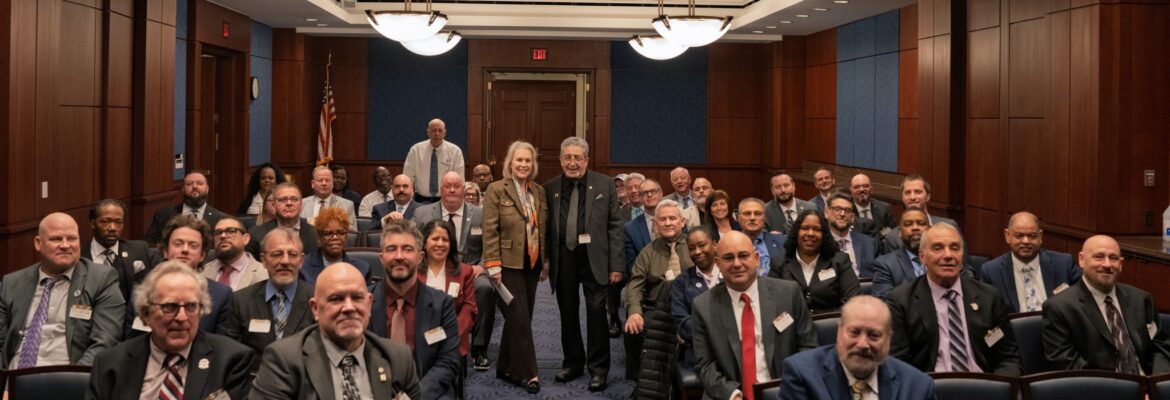
Banner Image: Senator Gillibrand. Image Credit – Sen. Gillibrand



There are no comments yet
Why not be the first