
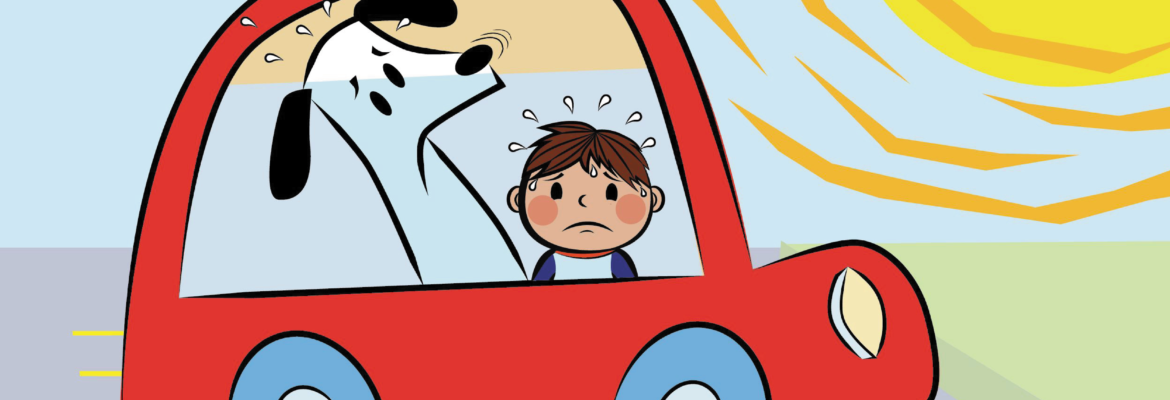
Staten Island, Where Wildlife Meets City-Life: Animals Suffer From Heat Exposure Just As Humans Do – Here Are Ways To Help
PETA provided the below information on how to help animals who may be suffering from the extreme heat dome expected to blanket areas of the country and New York City with excessively high temperatures. While our previous article on this topic focused on what humans can do and how they can get cool, some residents have been thinking about the animals who have to live outside, as well as those that live inside with us. Dogs and cats, squirrels, rabbits, and birds can all suffer from heat exhaustion and other negative consequences these -ultra-high temperatures can bring. Today reached ‘ONLY’ 100 degrees. By Saturday, highs of 107-109 are expected. That can be dangerous for dogs and cats, as well as outside animals. One thing to note is the advice to place a stone or some sticks in any shallow water container placed outside. While birds can perch on the outside and dip their beaks in, it is feasible that a mouse or other tiny mammal might slip on the edge and fall in. Placing these in the container helps them to get back out again, and since you are changing the water frequently, you can rinse those sticks off as well, or replace them with new sticks or a stone which you rinse off.
As a potentially disastrous, record-breaking heat dome is expected to threaten much of the United States this week, PETA is warning that dogs and other animals are at serious risk of heatstroke and death when left outdoors or inside vehicles—and is issuing a reminder that it’s illegal to leave dogs outside without access to shelter, shade, and potable water. Last year, at least 151 dogs and cats reportedly died from heat-related causes—and the actual figure is likely far higher, as most deaths go unreported. If you’re hot, dogs and cats—who can’t sweat as humans do—are even hotter.
PETA urges people to be on the lookout for animals who are in need of assistance, including those who may be experiencing heatstroke symptoms, and advises everyone to do the following:
- Walk dogs during cooler parts of the day and limit the time they spend outside in the heat. Before walks, touch the pavement to ensure that it won’t burn dogs’ foot pads. In hot weather, walk only in the shade or on earth or grass.
- Never leave animals outdoors in extreme heat or inside vehicles at any time.
- If you see a dog showing signs of heatstroke—including heavy panting, excessive drooling, vomiting, diarrhea, lethargy, difficulty walking, seizures, and collapse—ensure that the animal is moved into the shade or an air-conditioned space, offer them water, and wet them down with room-temperature (not cold) water. If their owner isn’t around, call local authorities immediately.
- If keeping dogs chained outside isn’t illegal in your community, urge your local officials to outlaw it. Contact PETA to learn how. New York City has already outlawed this practice.
Setting out fresh water for wildlife is a simple yet meaningful way for locals to help animals during extreme heat in their communities. Birds such as pigeons and starlings, squirrels, and other urban animals may struggle to find clean water, especially during prolonged heat waves. Residents can place shallow bowls of water in shady, safe areas and refresh them often, since water can heat up quickly and become dirty. Adding a few stones or sticks can also help smaller animals climb out safely if they step in. People can also help by creating or preserving shady spots—placing water under trees or shrubs, using a secure shade cloth or umbrella, and avoiding unnecessary trimming of bushes and trees during extreme heat so birds, squirrels, and other animals have cooler places to rest.
Anyone who sees a wild animal showing signs of heat exhaustion—such as confusion, extreme lethargy, difficulty breathing, or an inability to move normally—should contact a local licensed wildlife rehabilitator as soon as possible for guidance. Don’t attempt to handle the animal unless a professional instructs you to do so, since stressed or injured wildlife can be dangerous and may need specialized care. Once the heat wave has passed, residents should remove temporary water stations and artificial shade structures, so wildlife don’t become habituated to them or dependent on human-provided resources.
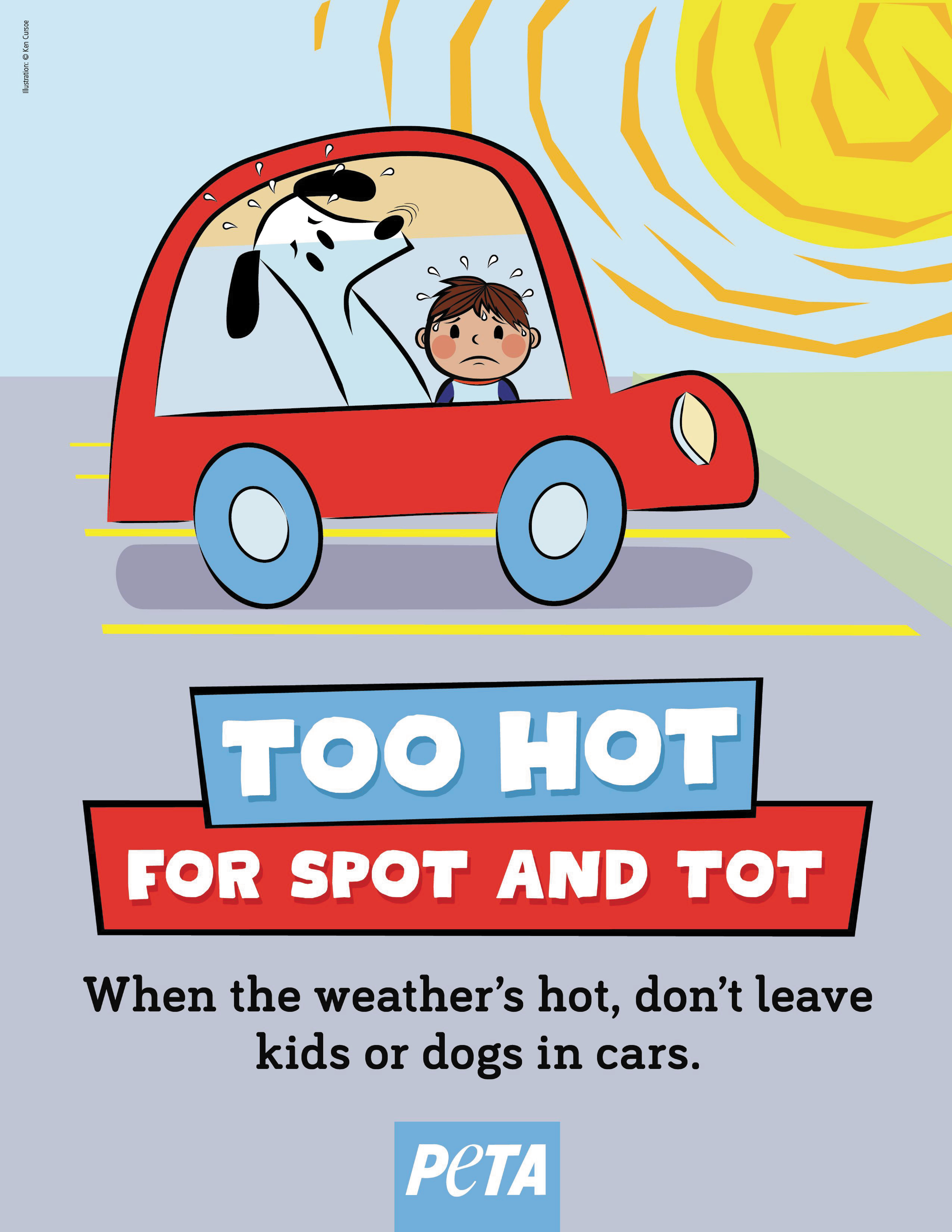
Banner Image: Too Hot For Spot. Image Credit – PETA



People for the Ethical Treatment of Animals
People for the Ethical Treatment of Animals (PETA) is the largest animal rights organization in the world, and PETA entities have more than 9 million members and supporters globally. PETA opposes speciesism, a human-supremacist worldview, and focuses its attention on the four areas in which the largest numbers of animals suffer the most intensely for the longest periods of time: in laboratories, in the food industry, in the clothing trade, and in the entertainment business. We also work on a variety of other issues, including the cruel killing of rodents, birds, and other animals who are often considered “pests” as well as cruelty to domesticated animals. PETA works through public education, investigative newsgathering and reporting, research, animal rescue, legislation, special events, celebrity involvement, and protest campaigns.
I truly hope people read this and stop trapping their dogs in hot cars, forcing them to walk on hot pavement and hot sand, and leaving them outside for long periods. Just think about how you would feel.
I truly hope that this will help stop people from abandoning their dogs in hot cars, making them walk on hot pavement or sand, and leaving them outdoors to suffer. Think about how you would feel.