
Staten Islanders, New York Residents Concerned About Eating Blueberries, Strawberries, Packaged Lettuce: Details About Parasitic Infection, What You Can Do
For those concerned about the recently discovered cyclospora parasite in bagged and prewashed lettuce that was recently announced by the CDC:
First, it should be noted that anyone concerned about foodborne illnesses already should not be eating bagged pre-washed lettuce. The exception is if you don’t trust the pre-washing and wash it again yourself. However, nearly every outbreak of anything happens with the bags of pre-washed lettuce, so it’s best avoided pretty much all the time. They are very often infected with e. Coli rather than this parasite.
However, raspberries are not always in the spotlight, and they aren’t being implicated by the governmental organizations in this outbreak incident either. They’re often lumped together as something to be cautious of when a foodborne illness is detected, and at first they may have been cautioning against consumption of this berry. However, it has now been concluded that the source is some sort of lettuce rather than berries.
Also, important to note, is that fresh blueberries were not a source of concern for this parasite in any of the announcements at any time. Instead, a frozen blueberry source of e. coli contamination is the source of this misunderstanding. Do not eat frozen blueberries right now, whereas fresh appear to be fine.
Either way, fresh blueberries aren’t usually a source of this kind of parasite since they have smooth skin and not many folds for a parasite or its spores to hide.
However, in my own experience, I never eat raspberries or blackberries that were bought in a store. Why? A jeweler’s loupe will easily reveal that to you. Just take a look in the little center piece of the berry, and you’ll probably never eat one again.
What’s in that center? Mold. Lot of mold or a little mold, but every time I’ve looked it’s there. While there may be less in non-organic raspberries, it is nearly impossible to get a package that has no mold. And just in case you were wondering, mold is worse for you than nearly anything. You think pesticides are bad? How about mold spores growing mold inside your body and reproducing themselves, wreaking havoc all over the place. If you are sensitive to mold, you’ll probably get headaches shortly after eating raspberries. Or you might end up with diarrhea from the mold spores themselves.
From Healthline about mold:
Mold can produce toxic chemicals called mycotoxins. These can cause disease and even death, depending on the amount consumed, the length of exposure and the age and health of the individual
Acute toxicity includes gastrointestinal symptoms like vomiting and diarrhea, as well as acute liver disease. Long-term low levels of mycotoxins can suppress the immune system and may even cause cancer
But if you do want to eat raspberries, you have to have them the day they come home from the store. And check them carefully for mold. But right now, they are on the list of foods to avoid. This list is a lot shorter than other media outlets have said. Strawberries and blueberries are NOT on the list, as long as they’re fresh not frozen. While they may have the parasite on them sometimes, they are not a major vector. Blueberries less so than strawberries, since there are very few crevices for the parasite to hide. If you are concerned, as you might be, there are a couple of ways to reduce your risk.
First, wash them vigorously. Then, put them in a bowl with water and vinegar (one part vinegar to three parts water) and swish them around with your hands to create friction. This can help break down the hard outer shell that this parasite uses to survive and attach itself, thus allowing more of the parasite to leave the fruit. If you have a salad spinner, you can try putting them in that too to get off the rest of the water and vinegar. Then rinse them under strongly running cold water. These things will reduce the number of parasites on the fruit.
You can do the same with pre-washed bagged lettuce, but never eat it straight out of the package – even during normal times when there isn’t an active outbreak. These bagged lettuces are notorious for causing food-borne infections, though it is usually e. coli and not a rare parasite.

This may end up being the largest outbreak of this illness ever confirmed, but a lot of these symptoms that people get are similar to the latest Covid. According to the FDA’s most recent announcement, the testing performed at Taylor Farms, a Mexico-based processor, was a false-positive. So they still don’t know the source of the infection. But it is right now sweeping the country, and a voluntary recall for packaged lettuce was issued by the Taylor Farms company.
Here are the symptoms of the infection from the FDA:
Symptoms of Cyclospora Infection
Most people infected with Cyclospora develop diarrhea, with frequent bowel movements. Other common symptoms include loss of appetite, weight loss, stomach cramps/pain, bloating, increased gas, nausea, and fatigue. Vomiting, body aches, headache, and fever may be noted. Some people who are infected with Cyclospora do not have any symptoms. If not treated, the illness can lead to dehydration and severe complications that may require higher levels of care. These complications may last from a few days to a month or longer. Symptoms may seem to go away and then return one or more times (relapse). Immunocompromised persons may experience more severe illness of longer duration along with complications requiring close medical attention.
According to the FDA’s voluntary recall list, only lettuce, of multiple types and brands, is affected, including simple iceberg lettuce and bagged pre-washed lettuce. Raspberries are not actually on the list, but out of an abundance of caution, people may want to avoid it.
Important to note is that NO BERRIES were indicated in the actual recall, either from the Centers for Disease Control and Prevention (CDC) or from the Food and Drug Administration (FDA). The recall is voluntary on the part of the farm. However, since berries have been historically a source for this parasitic infection, the initial warnings from CDC and FDA mentioned these common vectors, which were not yet ruled out. Since the infection’s source has not definitively been found, these were stated out of an abundance of caution. As the infections have progressed, it seems that the field of probable contaminated food has shrunk to, once again, be all about lettuce.
From Gemini:
- The Backstory: In early July 2026, the FDA issued an active recall for frozen blueberries due to E. coli contamination.
- The Media on it: Because the E. coli blueberry recall and the Cyclospora lettuce outbreak happened simultaneously, several news broadcasts accidentally conflated the two events, telling viewers to avoid “lettuce and blueberries due to the parasite.” [1, 2, 3]
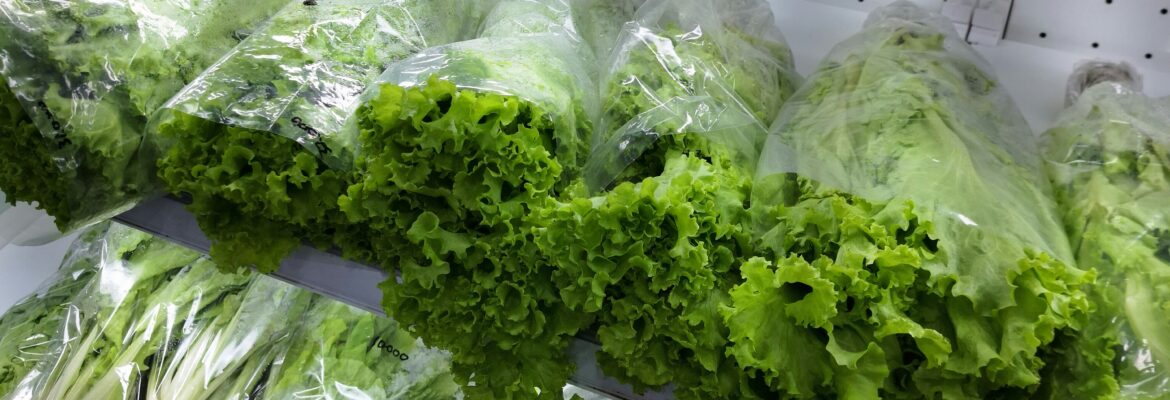
Banner Image: Fresh produce. Image Credit – Muhammad Alif


There are no comments yet
Why not be the first