
In NYC: ICE Off City Lots, More SNAP Funds For Fresh Produce At Farm Stands,
NYC: More SNAP Funds For Fresh Produce At Farm Stands, ICE Forbidden From Using City Property, Brooklyn Empire Bins, Racial Equity Cmr., Non-Profit Advisory Council, Child Killed In NYC, First Baptist Church, Renovating Fish Playground, Press Gaggle/ Questions, Media Availability, City Workers And Researchers Solving Problems Together: Mayor Mamdani
Editor’s note: See last week’s rundown here, featuring the NYU Quantum Lab technology and investment announcement. We previously covered the city’s new Racial Equity Blueprint and plan here. This article will be updated with a video containing the media availability covered below, along with testimony from New Yorkers on two Intro bills currently before the City Council.
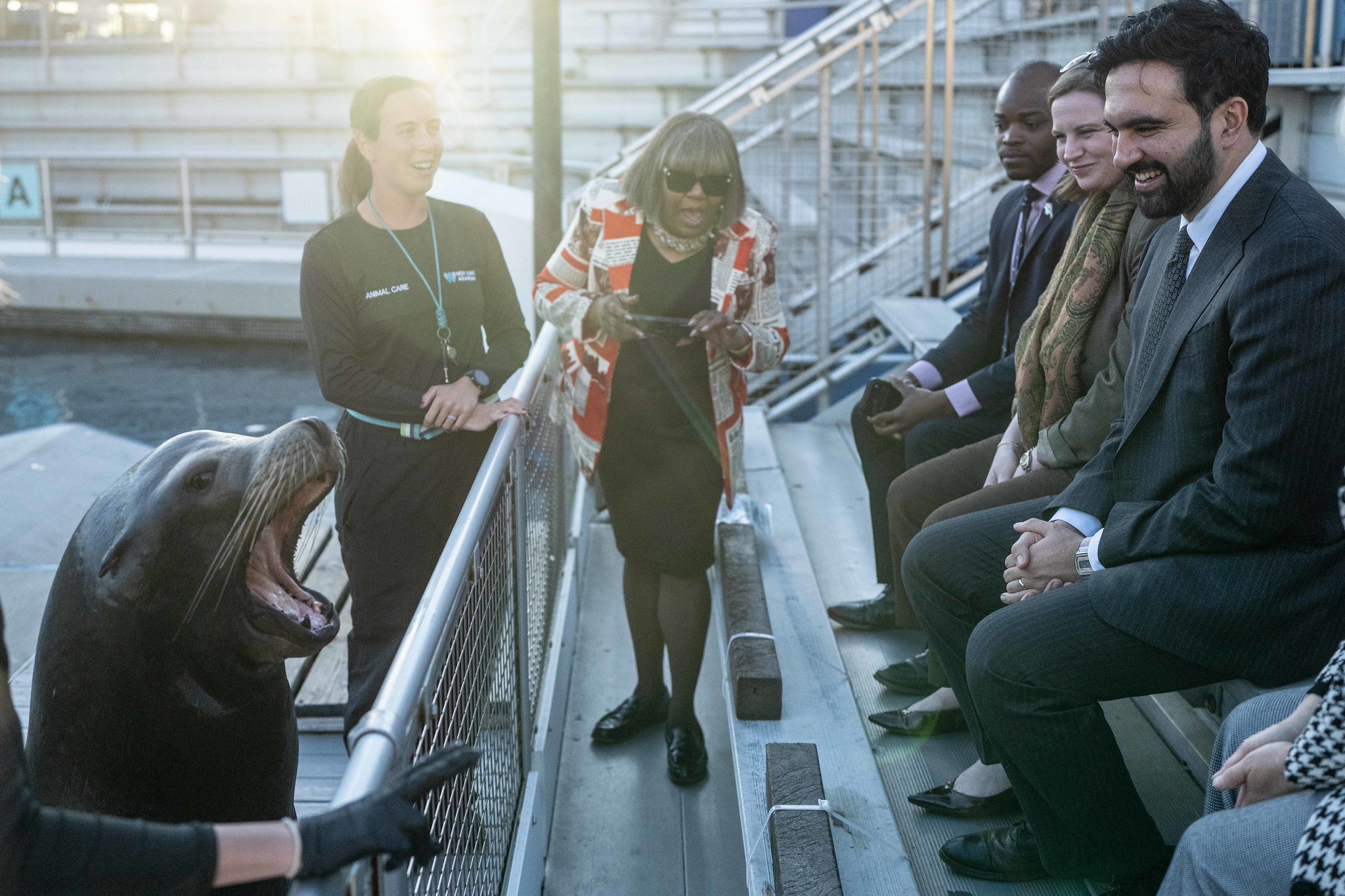
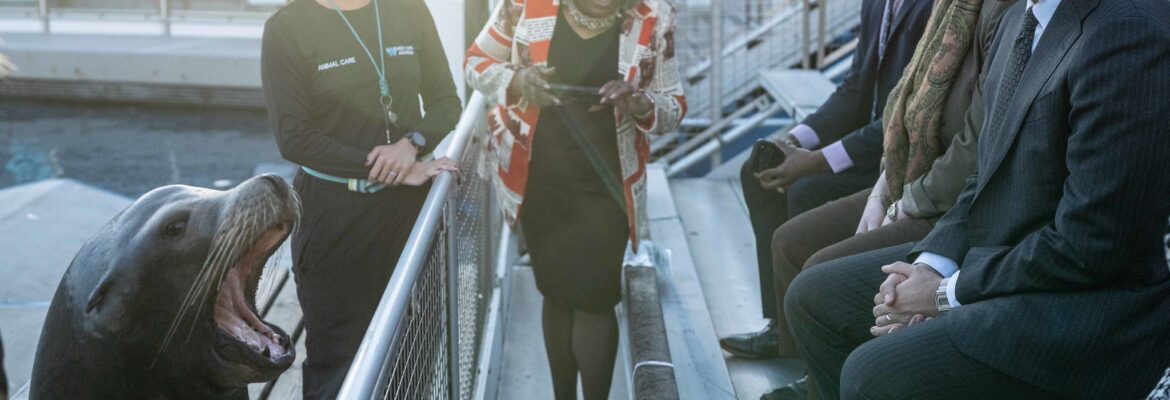
New York City Mayor Zohran Kwame Mamdani visits the New York Aquarium in Coney Island with Council District 47 with Councilmember Kayla Santosuosso on Monday, October 26, 2026. Michael Appleton/Mayoral Photography Office
Mayor Mamdani Announces SNAP Users to Receive 40% More Money for Fresh Produce from Local Markets and Farm Stands
Mayor Mamdani Announces SNAP Users to Receive 40% More Money for Fresh Produce from Local Markets and Farm Stands
The administration expects to distribute nearly $2.3 million in Health Bucks to SNAP participants in 2027, money that will support local vendors
NEW YORK – Today, Mayor Zohran Kwame Mamdani announced that New Yorkers enrolled in the Supplemental Nutrition Assistance Program (SNAP) benefits will be able to earn 40% more in Health Bucks, a program that matches what SNAP beneficiaries spend at farmers markets and farm stands. The program matches every $2 spent on fresh produce at qualifying vendors and, beginning January 2027, will increase its daily cap from $10 to $14. These coupons can be used to purchase fresh fruits and vegetables at more than 100 farmers markets and farm stands throughout New York City. By increasing the program’s daily cap, the Mamdani administration expects to distribute nearly $2.3 million to SNAP recipients in 2027 alone, money that will benefit dozens of local vendors and the New Yorkers they serve.

“Every day, New Yorkers walk into a store hoping prices haven’t gone up again,” said Mayor Mamdani. “As food insecurity rises, far too many families are forced to skip the fruits and vegetables. This program puts fresh produce within reach and makes groceries more affordable for families on SNAP, all while rewarding the local markets and farm stands that supply our communities with high-quality, nutritious foods.”
“Purchasing fresh fruits and vegetables should not be considered a luxury, they should fit every family’s budget,” said Deputy Mayor for Health and Human Services Dr. Helen Arteaga. “New Yorkers experiencing food insecurity often report not having eaten enough fruits or vegetables, which are cornerstones to maintaining a healthy diet, and rising costs have only made accessing fresh produce harder. By expanding the Health Bucks program, our administration is placing those high-quality, nutritious foods back within reach of the New Yorkers who need them most.”
“Many chronic diseases, including heart disease, are linked to your diet. But knowing that eating more fruits and vegetables is good for you and being able to afford them are two different things,” said NYC Health Commissioner Dr. Alister F. Martin. “By increasing the daily maximum for Health Bucks to $14 per day, the Mamdani administration is putting more purchasing power in the pockets of New Yorkers who receive SNAP benefits, while supporting local farmers in the process.”
SNAP incentive programs like Health Bucks are associated with increased fruit and vegetable consumption and improved food security. Among adults at risk of food insecurity, nearly 8 of 10 had difficulty affording balanced meals, 18% had not eaten any fruits or vegetables the previous day, and nearly one-third received food from emergency food services, such as food pantries according to new research from the NYC Health Department.
Health Bucks is funded through a combination of City funding and $5.7 million in new grant funding through the Gus Schumacher Nutrition Incentive Program, which gives to projects that increase the purchase of fruits and vegetables by SNAP recipients.
In addition to matching SNAP recipient spending at farmers markets and farm stands, the Health Department works with community and faith-based organizations to distribute Health Bucks to community members as an incentive for participating in nutrition education and other health-related activities.
Health Bucks is part of the Mamdani administration’s unprecedented push to make healthy, high-quality food more affordable and accessible for all New Yorkers. Earlier this year, Mayor Mamdani announced La Marqueta in East Harlem as the first site identified for the City’s municipal grocery store program. The administration plans to open one store in each borough by the end of Mayor Mamdani’s first term. This year also marks the 20th anniversary of the Health Bucks SNAP incentive program. Since 2005, the NYC Health Department has distributed more than $20 million in Health Bucks.
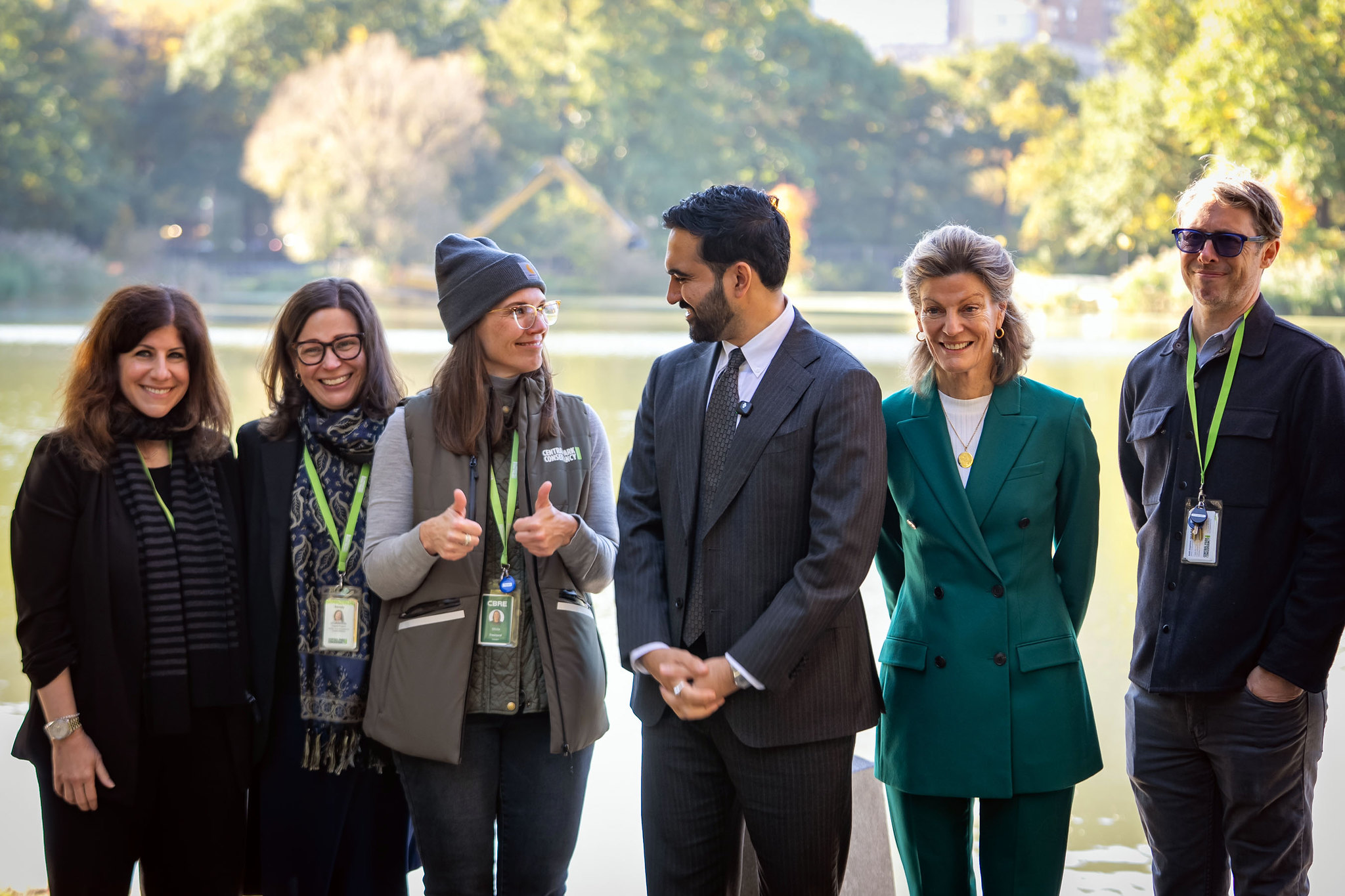
Mayor Zohran Kwame Mamdani, Governor Kathy Hochul and Central Park Conservancy President and CEO Betsy Smith announce the groundbreaking of the North End Recirculation Project, a $35.7 million investment to reduce flooding in Harlem and East Harlem while conserving the city’s vital drinking water supply. Charles A. Dana Discovery Center, Manhattan. Monday, October 26, 2026. Credit: Ed Reed/Mayoral Photography Office.
Mayor Mamdani Demands ICE Stop Unauthorized Use of City Lots, Threatens Legal Action
After ICE agents were reportedly seen staging in City-owned lots, Mayor warns DHS the City will take legal action if ICE continues its unauthorized use of City property
NEW YORK – Mayor Zohran Kwame Mamdani today demanded that U.S. Immigration and Customs Enforcement (ICE) immediately stop its unauthorized and therefore illegal use of New York City-owned property to stage immigration enforcement operations, warning that the City will take legal action if agents continue.
In a letter to Department of Homeland Security Secretary Markwayne Mullin, Acting ICE Director David J. Venturella, and ICE New York Field Office Director Kenneth Genalo, the Mayor made clear that the City has not authorized ICE to use its property for immigration-related operations. He called on ICE to issue guidance explicitly prohibiting agents from using City-owned lots to stage or conduct those operations.
ICE agents have reportedly parked vehicles and held meetings in several unstaffed City-owned lots, including a lot at Van Cortlandt Park in the Bronx and lots along 111th Street on the west side of Flushing Meadows Corona Park in Queens. Those Queens lots sit next to a City-run preschool and several cultural institutions that welcome hundreds of children and families every day.
To further safeguard against ICE’s unauthorized use of City property and lots, as part of Executive Order 13, the Mamdani administration has been working with City agencies to update their policies and protocols related to non-local law enforcement attempts to gain access to City property and lots. Alongside issuing the letter to ICE, the administration is also announcing a new NYC Parks policy today for frontline workers, which strengthens the procedures that Parks employees must follow when responding to attempts by non-local law enforcement, including ICE, to access non-public and public areas of Parks property. This new policy and ongoing training will ensure Parks employees are equipped to enforce our local laws and protect Parks spaces for the safe use and enjoyment of all New Yorkers.
“ICE has no right to use our property as a base for tearing families apart. That goes for every park and every lot this City owns. This unauthorized use of City property must end now,” said Mayor Zohran Kwame Mamdani. “Today, I’m telling DHS to order its agents off our lots. If they keep coming back, we will see them in court.”
“No family in New York should fear that going to the park or walking through their neighborhood could mean being torn away from their loved ones,” said Governor Kathy Hochul. “I am deeply disturbed by reports that ICE is using public property to carry out aggressive immigration enforcement operations. I was proud to sign the Local Cops, Local Crimes Act to prevent local resources from being used for federal civil immigration enforcement, and I stand with Mayor Mamdani in demanding an end to the unauthorized use of City property for these operations.”
Earlier this year, Governor Hochul signed the Local Cops, Local Crimes Act in law, which prohibits state and local law enforcement agencies from entering into agreements to carry out federal civil immigration enforcement, ensuring local law enforcement resources remain focused on protecting New Yorkers rather than carrying out federal immigration operations.
“Every person who calls New York City home is a New Yorker, and every one of them deserves to feel safe here,” said New York Attorney General Letitia James. “We have a collective responsibility to stand up for our neighbors, and we cannot sit idly by while their rights are ignored. Immigrants built this city, and as long as the Statue of Liberty stands proudly in our harbor, we will continue to protect our friends and neighbors in New York’s immigrant communities.”
“When we say ICE out of New York, we mean it — and we’re not going to let this rogue agency use city property to terrorize our city’s residents,” said Public Advocate Jumaane D. Williams. “While private entities like Target are revealing themselves by failing to condemn ICE’s use of private spaces for staging, the city is sending a strong message about our public spaces, reinforcing our commitment to immigrant New Yorkers and their neighbors.”
“Now that the Department of Homeland Security is clearly on notice regarding its unauthorized use of city lots, there is no excuse for continuing to commandeer city property and we are prepared to go to court if it does not stop,” said NYC Corporation Counsel Steven Banks.
Today’s action follows the Mayor’s October 16th letter, joined by more than 100 elected officials, urging private parking garage and lot owners to deny ICE the use of their property. The letter came after ICE agents recklessly shot Oscar Belgal in Marble Hill while his 5-year-old son sat in the car. Agents had reportedly been staging operations from a private lot a few blocks away.
“Our city parks are our backyard, and both NYC residents and visitors deserve to feel safe when enjoying them,” said NYC Parks Commissioner Tricia Shimamura. “We commend this administration for creating this first-of-its-kind policy to guide and support our frontline Parks staff, while ensuring that our public spaces remain a resource for people of all backgrounds to use without fear.”
“Immigrant New Yorkers are living in constant fear because of ICE, and that makes our entire city less safe. No one should have to live this way,” said MOIA Commissioner Faiza N. Ali. “ICE must stop using City-owned property to stage and carry out its operations of terror. Through new guidance for NYC Parks workers and the distribution of MOIA resources, we are equipping New Yorkers with the information and support they need to protect themselves and their communities. New Yorkers can call our free, confidential Immigration Legal Support Hotline at 1-800-354-0365 to connect with trusted legal help in their preferred language.”
“ICE’s unauthorized and manipulative use of properties intended for the public is just another example of the federal government’s overreach and disregard for New Yorkers and our community safety. We support the mayor’s effort to train and equip our members with the tools they need to protect the public from violation by non-local law enforcement. Keep ICE out of our parks and city facilities,” said Henry Garrido, Executive Director of District Council 37 AFSCME.
“We are a proud borough and city of immigrants, and ICE has no right to use City-owned property to target, harass or intimidate our communities,” said Bronx Borough President Vanessa L. Gibson. “I am proud to join Mayor Zohran Mamdani and my colleagues in government in calling for an immediate prohibition on the use of unstaffed City-owned lots by ICE agents in our neighborhoods. ICE has no place here in our city, and despite attempts from this White House administration to divide us, we will always stand up for our immigrant neighbors.”
“I stand firmly with Mayor Mamdani as he mobilizes our city’s public workforce and legal capacity to get ICE out of city property. My neighbors and I have been organizing to warn our community about ICE’s ongoing use of Van Cortlandt Park’s parking lots to stage raids in our neighborhoods and we are encouraged by the support of our Mayor to prohibit them from taking over public space to endanger us. Thank you to every New York City worker who will be trained and empowered to protect New Yorkers from ICE’s lawless terrorizing of our community,” said State Senator Gustavo Rivera.
“For generations, our parks have been safe havens and beloved third spaces where communities thrive,” said Council Member Ty Hankerson, Chair of the Committee on Parks and Recreation. “ICE has been trying to turn them into hunting grounds, but New Yorkers are not prey. Our green spaces, recreation centers, and beaches are places of joy, not fear. I stand with the Mayor in making our parks ICE-free zones. Our parks are for everyone, and we intend to keep them that way.”
“Our public spaces belong to New Yorkers and should serve our families, workers, and neighbors, not ICE agents seeking to instill fear in the very communities they claim to protect,” said Council Member Shanel Thomas-Henry. “I support Mayor Mamdani’s commitment to using every legal tool available to challenge the unauthorized use of City-owned property and hold federal agencies accountable. Our public spaces must serve the people, not be weaponized against them.”
“Our parks are where families gather, kids play, and neighbors celebrate. They are not staging grounds for enforcement operations, and no federal agency can take over public land without permission. When the Puerto Rican/Hispanic Task Force raised this concern last month, we were speaking for families who deserve to feel safe in their own public spaces. I commend Mayor Mamdani for putting ICE on notice and standing up for our residents. Public space belongs to the people, and we will keep fighting to protect it,” said Assemblymember Karines Reyes, RN, Chair of the Puerto Rican/Hispanic Task Force.
“Public spaces should be accessible, open and safe for each and every New York resident. We should not be afraid that our next visit could result in a kidnapping by a lawless federal agency. ICE’s reign of terror must be stopped, and we demand our public space back. I want to thank Mayor Madani for standing up for our immigrant neighbors by refusing to allow ICE to hold hostage spaces meant for our communities,” said Assemblywoman Catalina Cruz.
“I commend Mayor Mamdani for standing up to this illegal use of City property and making clear that our public spaces cannot become staging grounds for ICE. Our communities deserve dignity, safety, and protection. I will continue working alongside our City partners to ensure that our neighborhoods remain places where every family feels welcome and safe,” said Assemblymember Jessica González-Rojas.
“ICE is a rogue agency and has no place in our parks or city-owned spaces. As Council Member, I have engaged private parking lot owners to urge them to prohibit ICE from using their properties as staging grounds. It will take a whole of government approach to ensure that our public and private spaces are not being used to facilitate ICE operations. I am grateful to the Mayor for taking this important step to help make New Yorkers feel safer in their neighborhoods,” said Council Member Pierina Sanchez.
“ICE is not welcome in our city, and they sure should not be using our public spaces as staging areas to carry out abuse against New Yorkers. We are reassured by the Mayor’s step to not only put ICE on notice, but to codify Council efforts by executive order to train Parks employees when they encounter ICE in our public areas,” said Council Member Carmen De La Rosa. “ICE has made its violent presence known in my district over the past year, disappearing, pepper-spraying, and most recently shooting one of our neighbors. Our municipal government must continue to make strategic and meaningful steps to protect New Yorkers against a fascist government that seeks to attack all that makes our city great.”
“All across the city, neighbors are showing up to document ICE’s violence, share Know Your Rights information, and sound the alarm on their unlawful use of parking lots. New Yorkers have made it clear that ICE is not welcome here and that we won’t be intimidated — we will stand together, be courageous, and protect our neighbors,” said Hae-Lin Choi, Co-Director of Hands Off NYC. “We thank Mayor Mamdani for taking action to hold ICE accountable. From City Hall to the streets, we must continue pulling every lever to get ICE out of our city and fight back until ICE is abolished.”
“We thank Mayor Mamdani for continuing to step up to protect immigrant New Yorkers from ICE’s aggressive assaults. City owned properties like public parks, schools and adjoining public lots must be safe spaces for every New York family to enjoy free from fear of family separation. The new policies and protocols governing the procedure that NYC Parks’ frontline workers must follow will strengthen the ability of City workers to uphold our laws and values. New Yorkers have made clear that there is no place for ICE’s terror tactics in our city,” said Murad Awawdeh, President and CEO, New York Immigration Coalition.
“New Yorkers have made it clear time and again that ICE is not welcome in our neighborhoods, in our courthouses, and around our schools,” said Amaha Kassa, Executive Director of African Communities Together. “This action makes it clear that ICE is not welcome to stage operations against New Yorkers from City-owned property.”
“As a New Yorker, I am proud. But as a mother who relies on our public parks for my children to play, grow, and participate in community activities, this means even more to me. For Black immigrant communities, our parks are more than just green spaces. They are where our families gather, our children play soccer, our communities celebrate our cultures, and we find a sense of belonging in a city we call home. For too long immigrant families have been told to stay home, lock their doors and live in fear when ICE is in their neighborhoods. We want our communities to feel safe stepping outside, gathering with loved ones, and enjoying the very spaces that bring us together,” said Adama Bah, Chief Executive Director/Founder, Afrikana. “Thank you Mayor Mamdani for keeping your promise to protect New Yorkers and standing up for our public spaces. No parent should have to choose between protecting their family and allowing their children to enjoy being children. Our parks belong to all New Yorkers including Black immigrant families. They should be places of joy not fear.”
“Our Jewish values tell us that New Yorkers, no matter our religion, race, or immigration status, should be able to fully participate in public life without fear of being terrorized or kidnapped by masked agents. Today’s announcement is an important step towards ensuring New York lives up to its sanctuary status,” said JFREJ’s Executive Director Audrey Sasson.
“These public resources exist to serve New Yorkers, not to facilitate the staging and launching of immigration raids that tear our communities apart and spread fear in our neighborhoods. We must stop ICE from using city property for their inhumane raids and the City should use every legal power to protect New Yorkers,” said Fahd Ahmed, Executive Director, DRUM- Desis Rising Up and Moving.
“It will take initiative from New Yorkers of every sector—Faith, Business, Labor, Law, Education, and the Arts—to protect the rights of our newest neighbors from ICE’ unconstitutional and immoral actions. With this letter to DHS, Mayor Mamdani seeks to end the morally abhorrent ICE sweeps have been taking place in our parking lots and public spaces. This is our city government at its most committed—doing its part to listen to advocates and community members on the ground and stepping up to protect the rights of all New Yorkers,” said The Rev. Dr. Chloe Breyer, Executive Director, The Interfaith Center of New York.
The full letter is available here. The Parks policy is available here.
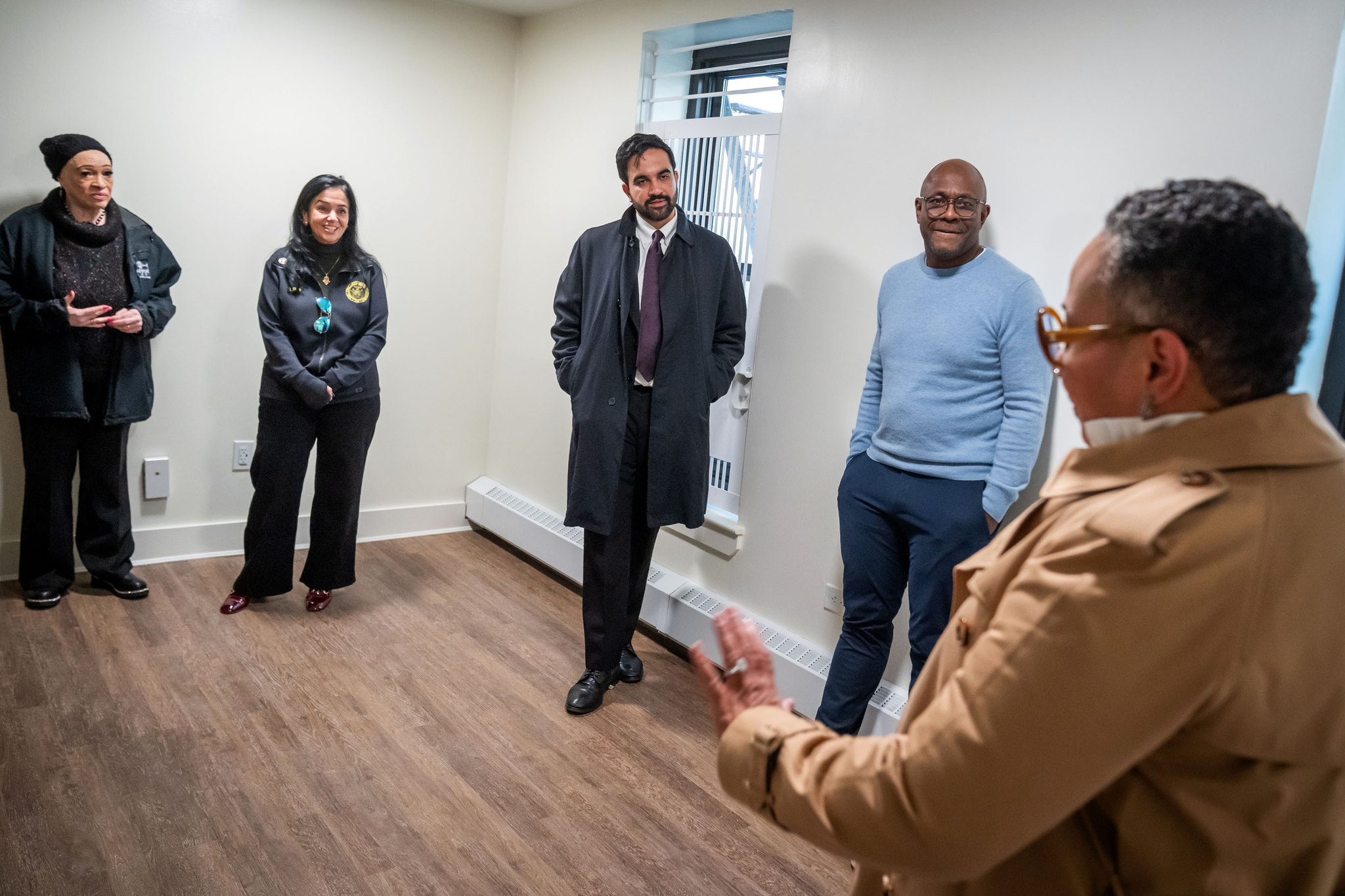
Mayor Mamdani visits the Frederick Samuel Apartments Harlem, a scattered-site NYCHA property that is completing modernization through the PACT program. Friday, October 23, 2026. Credit: Ed Reed/Mayoral Photography Office.
Mayor Mamdani Installs Brooklyn’s First Residential Empire Bins, Bringing City Closer to Trash-Free Sidewalks
More than 700 containers will replace piles of trash bags across Brooklyn Community District 2
Next six districts will receive Empire Bins in 2027, delivering on Mayor Mamdani’s commitment to citywide containerization by the end of 2031
NEW YORK – Mayor Zohran Kwame Mamdani and New York City Department of Sanitation (DSNY) Commissioner Gregory Anderson today installed Brooklyn’s first residential Empire Bins, taking a major step toward cleaner streets and sidewalks. The stationary, on-street containers will replace massive piles of trash bags across Brooklyn Community District 2, where installation of more than 700 bins is now underway. Full containerization of the district is expected to be completed by the end of fall.
“Every New Yorker deserves clean streets and sidewalks,” said Mayor Mamdani. “For too long, New Yorkers have had to walk past mountains of trash bags piled high on the curb that offer feasts for rats and stink up our streets. We’re changing that. By containerizing trash, we’re building a cleaner city while making it easier and safer for the hardworking men and women of DSNY to do their job.”
Brooklyn Community District 2 encompasses Downtown Brooklyn, Boerum Hill, Brooklyn Heights, Fulton Ferry, DUMBO, Vinegar Hill, Fort Greene, Clinton Hill and Brooklyn Navy Yard.
“Today marks an important milestone in our efforts to get trash off the street and into sealed, rodent-resistant containers,” said DSNY Commissioner Gregory Anderson. “This is not another pilot. Putting screws in the ground here in Brooklyn marks the beginning of a dramatic transformation of New York City’s streetscape. District by district, we are getting trash bags off the street and delivering the cleaner neighborhoods all New Yorkers deserve.”
Following the model that has been in place for more than a year in West Harlem, DSNY will install Empire Bins outside all buildings with more than 30 units, as well as buildings with 10 to 30 units that have opted into the program.
Businesses and low-density residential buildings, including single-family homes, are already required to put their trash in smaller, wheeled containers known as “wheelie bins.” Medium-density buildings that opt out of the Empire Bin program will also be required to use wheelie bins.
Property managers will access Empire Bins with a key card or smartphone app. Sanitation Workers will service the containers using North America’s first automated side-loading trucks.
Last summer, DSNY deployed roughly 1,100 Empire Bins in Manhattan Community District 9, which includes Hamilton Heights, West Harlem and Morningside Heights. The containers performed well through a particularly cold and snowy winter.
As DSNY installs Empire Bins in BK 2, the agency is planning for the 2027 expansion announced by Mayor Mamdani in April. The next six community districts to receive Empire Bins include:
- Bronx Community District 2: Hunts Point and Longwood
- Bronx Community District 5: University Heights, Mount Hope, Morris Heights and Fordham Heights
- Queens Community District 2: Sunnyside, Hunters Point and Woodside
- Manhattan Community District 2: West Village, SoHo, Little Italy, Greenwich Village and Nolita
- Brooklyn Community District 8: Prospect Heights, Crown Heights and Weeksville
- Staten Island Community District 1: North Shore
DSNY expects the 2027 expansion to bring more than 6,500 Empire Bins to more than 3,500 buildings.
The City’s goal is to complete containerization citywide by the end of 2031, delivering a New York City where trash bags are kept off the streets once and for all.
“Keeping our streets clean starts with improving how we manage trash,” said State Senator Andrew Gounardes. “Empire Bins will help reduce clutter on sidewalks and make collection more efficient for larger apartment buildings and schools. Thank you DSNY for working to keep our neighborhoods clean and for bringing this program to Brooklyn Community District 2.”
“Brooklynites shouldn’t have to hop over piles of trash just to walk down the block,” said Brooklyn Borough President Antonio Reynoso. “We’ve long known that containerization is essential for getting rats off our streets and creating cleaner, healthier neighborhoods. I appreciate Mayor Mamdani and DSNY for bringing Empire Bins to Brooklyn Community District 2, and I look forward to seeing Empire Bins soon at Community District 8 and across the entire borough.”
“I’m thrilled that residential buildings and schools in Brooklyn Heights, Boerum Hill, Downtown Brooklyn and DUMBO are getting Empire Bins this fall!” said Council Member Lincoln Restler. “On-street trash containerization has led to fewer rats, cleaner sidewalks and better quality of life in West Harlem, and I’m looking forward to seeing piles of smelly trash bags disappear off our sidewalks. Thanks to Council Member Crystal Hudson for sponsoring the legislation to make this a reality and to Mayor Mamdani and the Department of Sanitation for their steadfast commitment to cleaner streets.”
“I cannot recall a time when New Yorkers have not had to dodge mountains of trash bags and rats on their own sidewalks — but now, I can proudly say that those days are numbered,” said Council Member Crystal Hudson. “Last year, I passed the RAT Act, a law that allows the NYC Department of Sanitation to deploy stationary on-street containers to store and collect residential refuse. After years of advocacy, I am ecstatic that Community District 2, which I’m proud to represent, is getting its first residential bins. Residential containerization means fewer rats, cleaner streets and safer communities.”
“I’m thrilled that containerization and Empire Bins are coming to Boerum Hill,” said Council Member Shahana Hanif. “Brooklynites deserve clean, safe streets free from piles of trash and rats. It’s long overdue that we bring our waste management system into the 21st century. I look forward to seeing containerization expand across District 39.”
“New York is delivering a cleaner city by improving conditions for frontline workers. Every day, our union members are managing thousands of pounds of trash for New Yorkers,” said Kevin Stavris, Executive Vice President and New York Metro Residential Division Director of 32BJ. “32BJ is proud to represent 90,000 building service workers who maintain homes and offices across this city. Now, they won’t have to wait until 8 P.M. to start taking out the trash. It’s more efficient and means fewer pests and cleaner streets. It’s a win for workers and a win for New York.”
“The continued rollout of containerized trash is a big win for communities across New York. The piles of trash covering sidewalks is a status quo we can do without. Containerizing our trash frees up space for pedestrians, helps keep our city cleaner and frankly, it just makes sense,” said Sara Lind, Co-Executive Director at Open Plans. “Our sidewalks and streets are the most expansive and important public space in the city, repurposing the curb to get trash off the sidewalk is a smart and responsible reimagining of that space. We’re excited to see trash containerization continue to expand and know that New Yorkers can’t wait to see it in their neighborhoods.”
“Keeping trash out of buildings and off sidewalks will improve the quality of life for property owners, residents and neighborhoods across New York City. We commend the Mamdani administration and DSNY for continuing to expand this program,” said Basha Gerhards, Executive Vice President of Public Policy at the Real Estate Board of New York.
Learn more about trash containerization at nyc.gov/usebins.

New York City Mayor Zohran Kwame Mamdani tours the Port Richmond Wastewater Resource Recovery Facility on Staten Island where he also inspected a time capsule left by then Mayor Beame in 1976, on Wednesday, October 20, 2026. Michael Appleton/Mayoral Photography Office
Mayor Mamdani and Speaker Menin Appoint Chris Alexander to Lead NYC Commission on Racial Equity Beginning August 2027
Alexander was the first Executive Director of New York State’s Office of Cannabis Management and now leads the NAACP New York State Conference
Linda Tigani, the current Chair and Executive Director of the Commission, will remain in her role through July 2027
NEW YORK — Today, Mayor Zohran Kwame Mamdani and City Council Speaker Julie Menin appointed Chris Alexander to serve as Chair and Executive Director of the New York City Commission on Racial Equity (CORE), effective August 1, 2027. The position is jointly appointed by the Mayor and City Council Speaker. Linda Tigani, the current Chair and Executive Director of the Commission, whose three-year term ended on July 31, 2026, will remain in her role until July 31, 2027.
Alexander spent years advocating to end cannabis prohibition, which disproportionately harmed Black and Latino New Yorkers. He then helped carry out that change in state government. As the inaugural Executive Director of the New York State Office of Cannabis Management, he led implementation of the state’s cannabis legalization law and established a regulatory framework rooted in equity and restorative justice.
He began that work at the Drug Policy Alliance, where he was Policy Coordinator and advocated for criminal justice and policing reform. As Associate Counsel in the New York State Senate, he helped draft and negotiate the repeal of Section 50-a, which had kept police disciplinary records from public view, as well as the Eric Garner Anti-Chokehold Act and bail reform. Across his career, he has drafted and advanced legislation to reform policing, reduce the populations of state prisons and local jails, end solitary confinement, enact parole reform and expand access to education in state prisons.
Since 2024, he has been Executive Director of the NAACP New York State Conference, where he oversees statewide operations, advocacy and strategic priorities on civil rights, criminal justice, economic equity, housing and education.
“Our administration and residents across our city owe Linda Tigani thanks for her work to advance racial equity across the five boroughs,” said Mayor Zohran Kwame Mamdani. “As Linda’s tenure concludes next July, we look forward to welcoming Chris Alexander as CORE’s next leader. Chris has spent his career advancing racial equity inside and outside of government, from his leadership at the NAACP New York State Conference to his work on policing reform and drug policy. I am confident he will help us deliver for communities that have been historically underserved, while remaining undeterred in holding us accountable should we fall short.”
“Racial equity must be at the forefront of our work in City government, and CORE’s guidance is paramount to fulfilling that goal,” said Speaker Menin. “My colleagues in the Council’s Black, Latino and Asian Caucus and I believe today’s announcement will allow for a thoughtful and orderly leadership transition, ensuring that Linda Tigani can continue advancing key aspects of CORE’s mandates. Beginning August 2027, Christopher Alexander, who brings meaningful experience furthering equity as executive director of the NAACP New York State Conference, will lead CORE. We look forward to working with both Ms. Tigani and Mr. Alexander to maintain continuity in CORE’s mission and advance racial equity and justice across the five boroughs.”
“I am honored to have been called to serve the City in this role, and I step into it with the deepest commitment to justice and equity,” said Chris Alexander, incoming Chair and Executive Director of the New York City Commission on Racial Equity. “CORE exists because New Yorkers organized and demanded that their city government commit itself to being more equitable, and then voted to hold it to that promise. Linda Tigani did the hard work of building this Commission from the ground up, and I am grateful for the foundation she laid. I look forward to working alongside the CORE Commissioners, the Mayor, the Council and communities across the five boroughs to make sure the City’s commitments become real changes in people’s lives.”
“Chris Alexander’s wealth of experience and commitment to addressing systemic inequities make him a strong leader for the NYC Commission on Racial Equity (CORE),” said NYC Chief Equity Officer and NYC Mayor’s Office of Equity & Racial Justice Commissioner Afua Atta-Mensah. “Working with Chris will continue to allow us to fulfill the City’s racial equity mandates, advance meaningful policy change and ensure that communities across New York City have a meaningful voice in government decision-making.”
“Chris is a good man and will thrive in his new leadership role,” said Congressman Gregory Meeks. “I have all the confidence that the Mayor and City Council have chosen the right person for the job, and that Chris will be a leading voice in the City’s commitment to racial equity with conviction and determination.”
“I have known, respected and valued Chris Alexander for many years,” said New York State Assembly Majority Leader Crystal Peoples-Stokes. “Chris was instrumental in advancing, preserving and defending the core social and economic equity and restorative justice tenets of the Marijuana Regulation and Taxation Act. Mr. Alexander is a man of integrity and stands firmly in his principles to improve the conditions and opportunities for New Yorkers. I applaud Mayor Mamdani and Council Speaker Menin for making the outstanding decision to appoint Chris Alexander as the Chair and Executive Director of the New York City Commission on Racial Equity. He is the perfect fit for this role and will undoubtedly lead CORE to achieve impactful outcomes throughout City government.”
“Advancing racial equity requires more than recognizing the disparities that exist across our city. It requires the willingness to confront the policies and practices that perpetuate them, and the accountability to ensure that our efforts produce meaningful change. I thank Linda Tigani for her important leadership and the progress made under her tenure, including the Commission’s expanded role in the Council’s truth, healing, reconciliation and reparations legislation,” said Deputy Speaker Dr. Nantasha Williams. “Chris Alexander now takes on the responsibility of advancing that work, bringing an important combination of advocacy, policy expertise and government leadership to the role. His experience navigating both sides of that work will be important as the Commission continues to strengthen oversight and hold our institutions accountable to the communities they serve. I congratulate Chris on his appointment and look forward to working with him to advance a more equitable New York City.”
“Chris Alexander has committed his life’s work to advancing equity in communities across the state, from protecting voting rights and fighting for criminal justice reforms, to strengthening equity in education and expanding economic empowerment,” said L. Joy Williams, President of the NAACP NYS Conference. “In appointing him, the Mayor is ensuring that New York City will stay focused on delivering justice and strengthening equity for Black New Yorkers and everyone who calls this city home. In the meantime, the NAACP New York State Conference will remain committed to its work.”
“I fully support Mayor Mamdani’s decision to appoint Chris Alexander as the next Chair of the NYC Commission on Racial Equity (“CORE”). In 2021, when the Racial Justice Charter Revision Commission proposed CORE as the independent body that would serve as the accountability agency to ensure the people have a say in the advancement of racial equity in all government functions, we envisioned a leader with deep ties in the Black community and proven results on their behalf. Alexander is such a person,” said Jennifer Jones Austin, CEO of FPWA and Chair of the NYC Racial Justice Charter Revision Commission. “I pledge my support in helping ensure a successful transition in leadership over the next several months and the sustainability of all the good work that has been done by the outgoing Chair. Thank you, Mayor Mamdani, for your commitment to advancing racial equity and ensuring that it remains a priority in city government.”
“Chris Alexander is a great appointment to lead our city’s Commission on Racial Equity,” said Candis Tall, Executive Vice President and Political Director of 32BJ SEIU, a labor union representing 85,000 property service workers in New York City. “Last year, he stood with 32BJ SEIU to champion the Aland Etienne Safety and Security Act, our city’s historic security officer minimum wage law that will uplift a 90% Black and brown workforce. He has fought alongside labor unions in Albany to bring down the cost of healthcare and has dedicated his life to delivering for communities of color. We applaud Mayor Zohran Mamdani’s appointment of Christopher Alexander.”
“At a moment when trust in government is so fragile, New York is lucky that Chris Alexander is willing to take this project on,” said Patrick Gaspard, Distinguished Senior Fellow at the Center for American Progress and the Center for American Progress Action Fund. “He helped write and fight for some of the most consequential racial equity reforms this state has passed, and he knows from the inside how to get things done in government and how to hold it accountable, which is exactly what CORE was created to do. The Mayor and the Speaker have made an excellent choice.”
“The people in our communities are not asking government for special treatment. They are asking for fairness, integrity and accountability,” said A.R. Bernard, Founder Pastor and CEO, Christian Cultural Center. “They want public officials who mean what they say and do what they promise. From what I’ve learned, Chris Alexander has built his career on those principles. I expect him to uphold those same standards for everyone entrusted with public office. I am proud to support his appointment.”
About Chris Alexander
Alexander is Executive Director of the NAACP New York State Conference. Before that, he was the inaugural Executive Director of the New York State Office of Cannabis Management, where he led implementation of the state’s cannabis legalization law. He previously served as Associate Counsel in the New York State Senate and Policy Coordinator at the Drug Policy Alliance, where he advocated for criminal justice and policing reform and an end to cannabis prohibition, and Legislative Correspondent in the U.S. House of Representatives. He holds a bachelor’s degree from Syracuse University and a Juris Doctor from CUNY School of Law.
About CORE
New York City voters established CORE in 2022 to hold City government accountable for advancing racial equity and give New Yorkers a greater voice in government decision-making.
Established under the New York City Charter Section 3404, CORE identifies and proposes community equity priorities, reviews and comments on the citywide Racial Equity Plan and publicly tracks agency compliance. The commission also reviews agency complaints involving practices that may exacerbate racial inequities and makes recommendations to address them. CORE works closely with the City Council, responding to requests from the speaker and council committee on racial equity concerns.
About the Citywide Racial Equity Plan
Earlier this year, Mayor Mamdani and the Mayor’s Office of Equity and Racial Justice (MOERJ) released New York City’s first citywide Racial Equity Plan, a government-wide framework to advance racial equity. The final plan followed a 30-day public comment period after the preliminary plan was released in April, during which MOERJ gathered feedback from New Yorkers across the five boroughs and worked with 45 City agencies to strengthen its goals, strategies and indicators. The plan sets eight citywide goals to reach by 2034, including reducing disparities in housing, education, unemployment, maternal health, transportation access, broadband adoption and reducing the jail population.
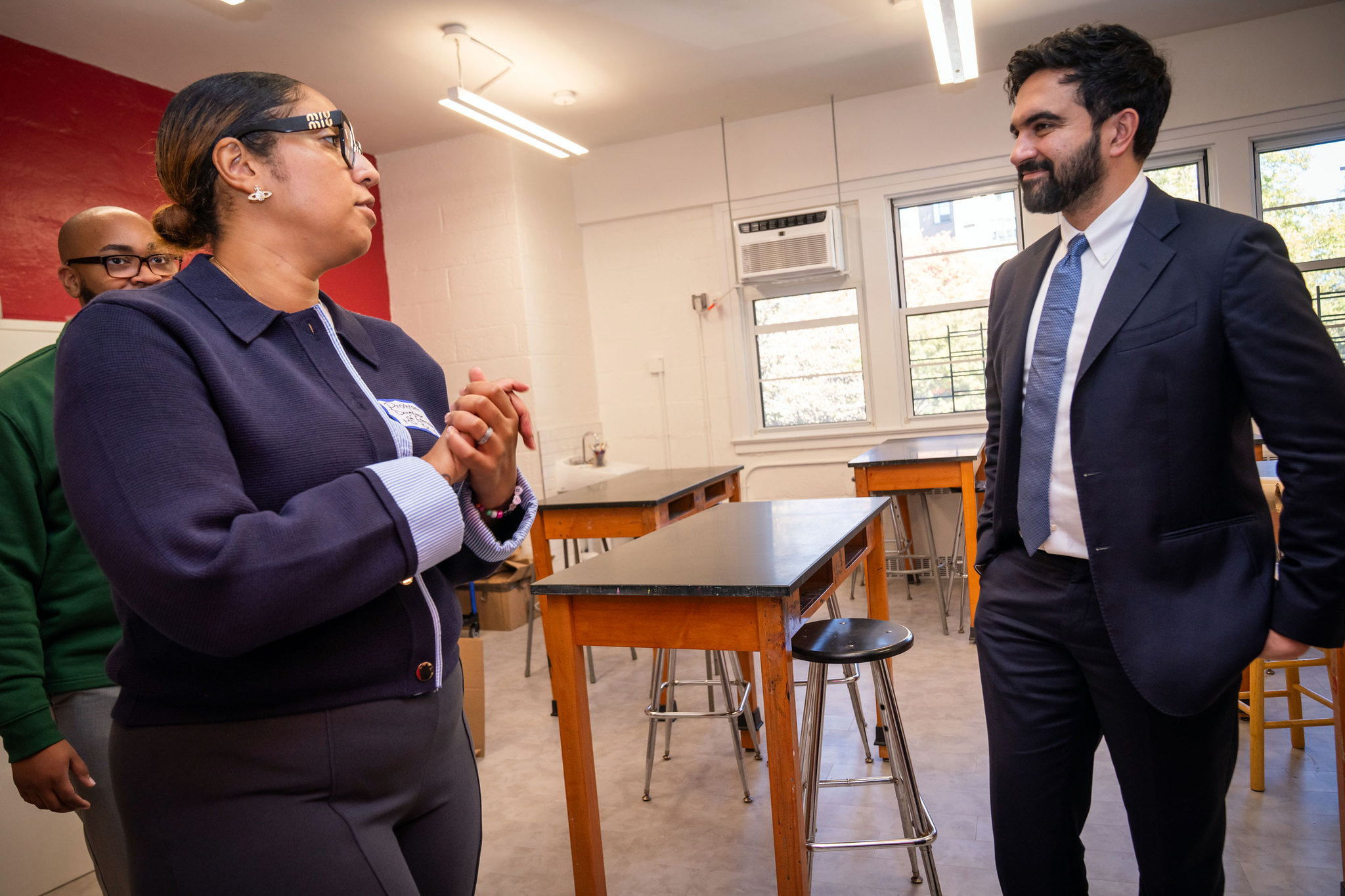
Mayor Zohran Kwame Mamdani, Deputy Mayor Leila Bozorg, New York City Housing Authority (NYCHA) CEO Lisa Bova-Hiatt, development partners and residents re-open the community, child care and senior centers at Edenwald Houses in the Bronx. Thursday, October 22, 2026. Credit: Ed Reed/Mayoral Photography Office.
Mayor Mamdani Announces Appointments to the 33-Member Nonprofit Advisory Council
NEW YORK — Today, Mayor Zohran Kwame Mamdani announced appointments to the 33-member Nonprofit Advisory Council, a body of nonprofit leaders that provide input to inform the focus and priorities of the administration. The members of the advisory council represent a broad spectrum of organizations — including those focused on social services, education and advocacy — and bring a diversity of knowledge and expertise that will better guide the administration in shaping the future of New York City’s nonprofit sector.
“Our nonprofit organizations work tirelessly for us — they educate our children, protect our older adults and bring our communities to life,” said Mayor Mamdani. “It is important that city government works just as hard for them, and with the aid of these 33 remarkable leaders, my administration will do just that. I look forward to strengthening our partnership with New York’s nonprofits and building a government that each of them can count on.”
“Nonprofits provide critical services to the New Yorkers who need them most,” said Deputy Mayor for Health and Human Services Dr. Helen Arteaga. “The leaders of these extraordinary organizations deserve a seat at the table, and our administration welcomes their guidance on how our city can more effectively assist those who work so tirelessly to serve us and our communities.”
“Today’s announcement of distinguished nonprofit leaders who will serve on the administration’s Nonprofit Advisory Council to work with us on addressing the needs of the sector marks a pivotal moment,” said Annie E. Minguez, Executive Director, Mayor’s Office of Nonprofit Services. “These leaders represent providers who operate a range of services including legal assistance, homeless services, childcare, arts and culture, education and youth justice who have been at the forefront of supporting New Yorkers and the philanthropic and sector advocacy community that have been instrumental in elevating the structural challenges facing nonprofits. We welcome them to serve as thought partners as we develop policies that strengthen the sector our city depends on to serve New Yorkers.”
Mayor Mamdani announced the following appointments to the Council:
- Alyssa Aguilera, Co-Executive Director of VOCAL-NY
- Tony Alarcón, Executive Director of Las Doñas
- Mohamed Amin, Founder and Executive Director of Caribbean Equality Project
- Yaw Appiadu, Executive Director of the Harlem Independent Living Center, Chair of the New York State Independent Living Council
- Grace Bonilla, President and CEO of United Way of New York City
- Courtney Bryan, CEO of the Center for Justice Innovation
- Catherin Calvo, Community Engagement Officer at The Mother Cabrini Health Foundation
- Twyla Carter, Attorney-in-Chief and CEO of The Legal Aid Society NYC
- Hildalyn Colon Hernandez, CEO and Strategic Office of New Immigrant Community Empowerment
- Rob DeLeon, President and CEO of The Fortune Society
- Brett Eisenberg, Executive Director of Bronx Independent Living Services
- Bibi Esahack, Executive Director of the Bay Ridge Community Development Center
- Lisa Flores, CEO of Catholic Charities Community Services
- Tara Gardner, Executive Director of the Day Care Council of New York
- Alexandro Hatzakis, COO and Associate Executive Director of Federation of Protestant Welfare Agencies, Inc.
- Wayne Ho, President and CEO of the Chinese-American Planning Council
- Michelle Jackson, Executive Director of the Human Services Council of New York
- Marwa Janini, CEO of the Arab American Association of New York
- Julia Jean-Francois, Executive Director of Center for Family Life
- Justin Green, Founding Executive Director of Big Reuse
- Damyn Kelly, President and CEO of Lutheran Social Services of New York
- Aminta Kilawan, Founder and Executive Director of South Queens Women’s March
- Lorena Kourousias, Executive Director of Mixteca Organization
- Vanessa Leung, Co-Executive Director of Coalition for Asian American Children and Families
- Jonathan McLean, CEO of the Center for Alternative Sentencing & Employment Services
- Frankie Miranda, CEO of the Hispanic Federation
- Wesner Joseph Pierre, CEO of Partnership With Children
- Jocelynne Rainey, President and CEO of Brooklyn Org
- Joseph Rosenberg, Executive Director of the Catholic Community Relations Council
- Tatiana M. Sabatelli, Executive Director of Nonprofit Staten Island
- Andrew Salwen Kopel, Executive Director of National Council of Jewish Women NY
- Rachel Watts, Executive Director of DreamYard
- Marlon Williams, Executive Vice President of Public Policy & Communications at Philanthropy New York
Frankie Miranda and Tara Gardner will serve as Chair and Co-Chair, respectively.
“I am deeply grateful to Mayor Mamdani and his administration for the opportunity to serve as co-chair of the Nonprofit Advisory Council. As President and CEO of Hispanic Federation, I have the privilege of working alongside hundreds of nonprofits across the city and the country, giving me firsthand insight into both the challenges they face and the extraordinary impact they make every day. I look forward to bringing this experience, along with the collective knowledge and expertise of our extensive nonprofit network, to help shape policies and solutions that strengthen the sector. Together, we can ensure that nonprofits have the resources, support and recognition they need not only to continue delivering essential services to our communities, but to grow, innovate and thrive,” said Frankie Miranda, President and CEO of Hispanic Federation.
“I am honored to co-chair the Nonprofit Advisory Council and to continue advancing its mission to address sector challenges,” said Tara N. Gardner, executive director, Day Care Council of New York. “Nonprofits are the backbone of this city’s safety net. From the early childhood education programs our members run to the food pantries, after-school programs, senior centers and arts programs in every neighborhood, nonprofit workers show up every day for the families who count on them. The Mamdani administration continues to demonstrate what’s possible when City Hall treats nonprofits as partners: fewer bureaucratic hurdles, money in hand when the work begins and less borrowing just to make payroll. I look forward to working with the Mayor’s Office of Nonprofit Services to extend this type of progress across the entire contracting system, so every provider serving New Yorkers is paid fully and on time.”
These appointments follow the Mamdani administration’s commitment to accelerate funding to nonprofit providers. Earlier this month, Mayor Mamdani announced the expansion of the Discretionary Grant Pilot, a streamlined approach to the contracting process that allows nonprofits to get City funding up to nine months faster. The expansion allows up to 800 nonprofits to receive their full award within 30 days, or 300% faster, after both the grantee and agency sign the grant agreement.

Mayor Mamdani visits the Frederick Samuel Apartments Harlem, a scattered-site NYCHA property that is completing modernization through the PACT program. Friday, October 23, 2026. Credit: Ed Reed/Mayoral Photography Office.
Mayor Zohran Kwame Mamdani Releases Statement on Javits Frimpong
NEW YORK – Today, Mayor Zohran Kwame Mamdani released the following statement:
“The murder of a child is a pain no parent should have to endure, let alone from thousands of miles away.
“Javits Frimpong’s mother deserves to say goodbye to her son in person. I just got off the phone with President Trump and he has agreed to grant her visa immediately.
“All of New York City is mourning this tragedy.”
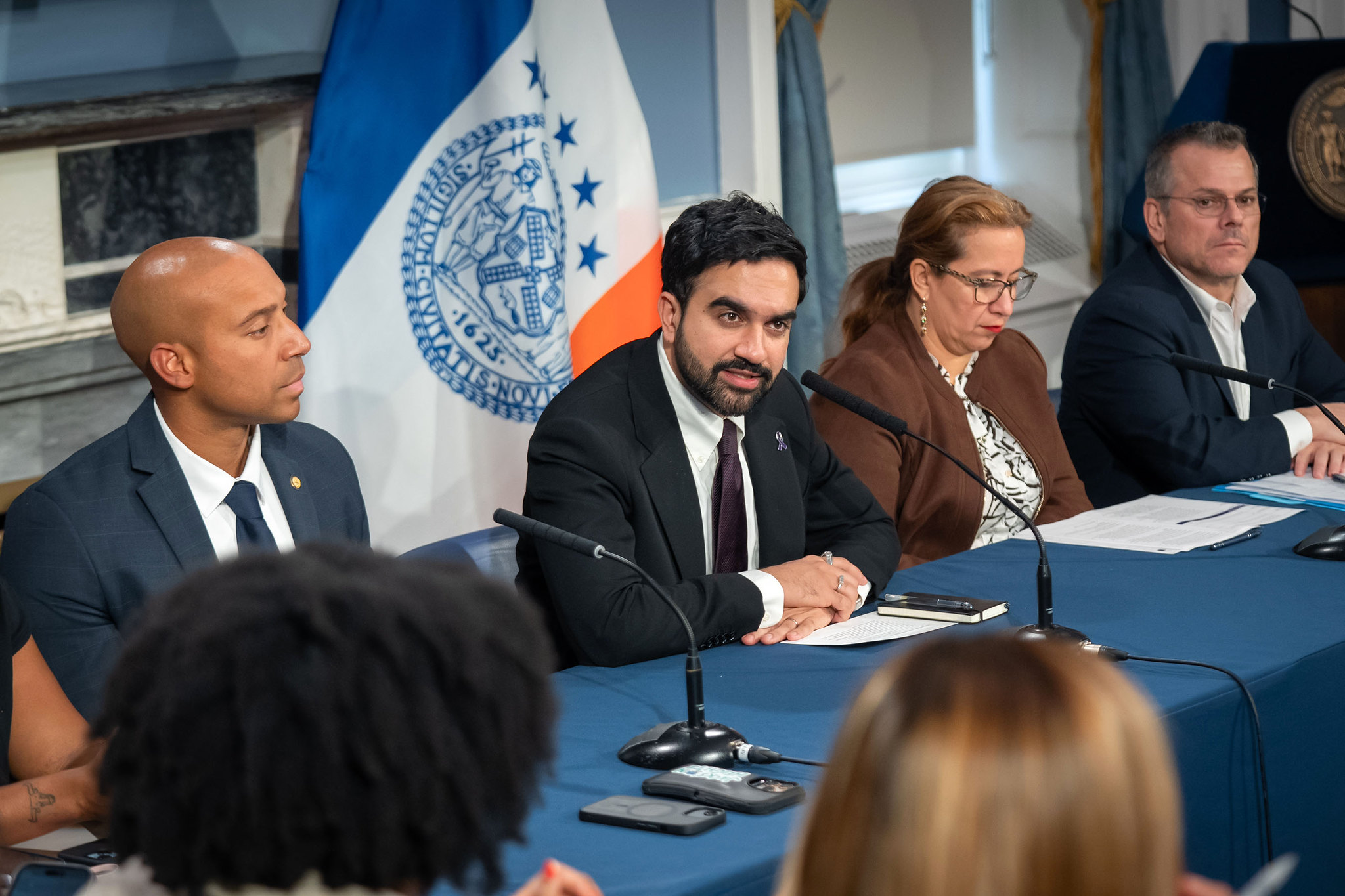
Mayor Mamdani hosts a community media roundtable on SNAP and Medicaid. City Hall. Friday, October 23, 2026. Credit: Ed Reed/Mayoral Photography Office.
TRANSCRIPT: MAYOR MAMDANI DELIVERS REMARKS AT FIRST BAPTIST CHURCH OF CROWN HEIGHTS
Mayor Zohran Kwame Mamdani: Good morning, everyone. It is always a good morning when I get to say it from this pulpit. It is a pleasure to be back here, the first church that ever gave me an opportunity to speak to a congregation. I remember being there and thinking, “One day, I’ll get up here.”
I want to begin by recognizing a great leader and someone I am proud to call a friend: Reverend Rashad Raymond Moore. You know, the story begins even before the reverend said [it]. The story begins when the reverend was a speaker at the State of the State in Albany. I saw him there from the crowd. I was a little-known Assembly member — up, up, up in the auditorium. As soon as the ceremony finished, I ran down. I ran down to grab him. I said, “Please, just give me a meeting.”
And I say this because I have looked to him for wisdom. I have looked to him for guidance. And if there is anyone here or watching who doubts his generosity of spirit, let the fact that he spoke to an Assembly member polling at less than one percent [serve] as proof of that generosity and as proof of that wisdom. He says I was known in Queens; I wasn’t even known in Queens. My own friends asked me, “What’s an Assembly member?” I said, “I’ll get back to you.”
But most of all, I want to thank all of you for making me feel welcome in this space. Because I know that, for some of you here this morning, spending Sundays at First Baptist is what you have always done, just like your parents have done and your parents before them. Perhaps your family has been worshipping here ever since here was Bessie Herbert’s home on Reid Avenue.
And I know that, for many of you swaying in these aisles, listening to these sermons, it’s as natural in breathing oxygen or cheering for the Knicks — we’re coming up again.
And others here this morning have walked through these doors seeking community and belonging. And I know that you have found nothing less in this congregation, because it is a gift to look around and find kindred spirits, to know that you are embraced by love.
And others still have arrived here with problems that need solving, with worries that need assuaging, with a mighty Lord whose mercy you need to call upon. And I will not pretend to know what afflicts each one of you in this room, nor would I ever presume to guess the contents of your prayers. Those belong to you, to you alone.
But over the past years, first as a candidate and now as the mayor of our great city, I have been accorded the great honor of listening to thousands and thousands of New Yorkers.
Listening to New Yorkers as they told me of buses that took too long to come, if they ever came at all. Listening to New Yorkers as they explained how hard they worked to buy a home and turn it into something they were proud of, only for then that home to be a threat by the scourge of deed theft.
Listening to New Yorkers as they shared the names of those they loved who were then stolen away by the senseless cruelty of gun violence. Listening to New Yorkers as they wondered out loud to me: What was the point of City government if they never saw or felt it in their lives? If the pothole on their street was not filled? If the 311 call was never resolved? If the flickering light in the NYCHA hallway never shined?
And I listened to New Yorkers as they told me how they could not afford to call our city home any longer. They were reminded of how far away a dignified life was every first of the month, when rent was due. Every time they were at the grocery store with a basket that had fewer items and yet it cost more. When they sought to send their children to childcare and found that it would cost them more than $25,000 a year.
What challenges we face. What adversity lies before us. And I will confide in you: There have been moments when these obstacles feel as if they are too vast to overcome. When the mountaintops seem too high, the sea too rough, the going too tough.
And in those moments of doubt, and we all know how doubt can blot out the sun and erase all hope, I would turn to Hebrews 10:39 to find the path forward. It issues us a command: “We do not belong to those who shrink back and are destroyed, but to those who have faith and are saved.”
My friends, that work, that work of refusing to shrink, no matter what lies before us, does not only unify us as New Yorkers. It defines us as New Yorkers.
No matter what may divide us, where we may disagree, we share this in common that our city never shrinks, that we do not even know how. And over these past months, it has been an honor to lead a City government that refuses to shrink, either.
Whether it be in the face of the most intense winter storms we’ve seen in recent years, or from campaign promises to provide universal childcare, to lower the price of groceries, to make buses faster, to preserve and build hundreds of thousands of affordable homes.
We have not only set up the first Office to Prevent Deed Theft. We have not only delivered murders and shootings to historic lows. We have also said it is our responsibility to deliver the most capital dollars to NYCHA in recent history: $5.6 billion over the next five years.
And I know that if we are ever to speak of public safety or to speak of crime, then we must know that the most effective tool at preventing crime is to put a job in someone’s hands. And so, I’m proud to be here today as well with our commissioner of Small Business Services, Kenny Minaya. If you’d please stand up for a moment.
We have offered a new vision of what government can be, and we know that this is a vision that has to be sustained by a faith of its people that sees that vision at work every day. And now, there were some words spoken earlier this month that I have thought about lately.
The wise man said, “You don’t know what a house is made of until the wind blows. Storms come, not just to make us stronger, but to see what we are really made of.” That man, of course, was the Reverend Rashad Raymond Moore. And he was right. He was right.
Year after year, the storms have come, and year after year, New Yorkers have shown what we are made of: compassion, selflessness, resilience and unwavering devotion to one another.
And today, we possess that rarest of opportunities to show what our city could look like with clear skies overhead, to see just how much we could build when the wind dies down, to stand steadfast alongside one another in a city we both love and afford.
So that we don’t have to travel the country to find other New Yorkers. We can still find them right here. And I just want to say two more things before I close.
The first is that I have spoken about the importance of listening in leadership. And so, I would like to invite this congregation specifically to a listening session that we are organizing for New Yorkers to hear from them about how they have been impacted by the affordability crisis. The next one is going to be at 6 p.m. on Nov. 12 at BKLYN Commons, at 495 Flatbush Avenue.
I would love for everyone here — deacons, trustees, the reverend, everyone worshipping, everyone watching — to be a part of that, because the city can only be great when it learns from what makes it great, and those are the people who call it home.
And the second thing I want to say is just a deep and sincere thank you. Because as much as the reverend says, “You know, [inaudible],” what I recall from that day was feeling as if I was home. And even amid the skepticism — that was rightful skepticism — to hear a man say that things could be better after all that you have endured, I do not begrudge any doubt.
But I know that, on that day, I left this church feeling as if there could be a way. And it is a joy to return to you having found that way together.
Thank you very much.
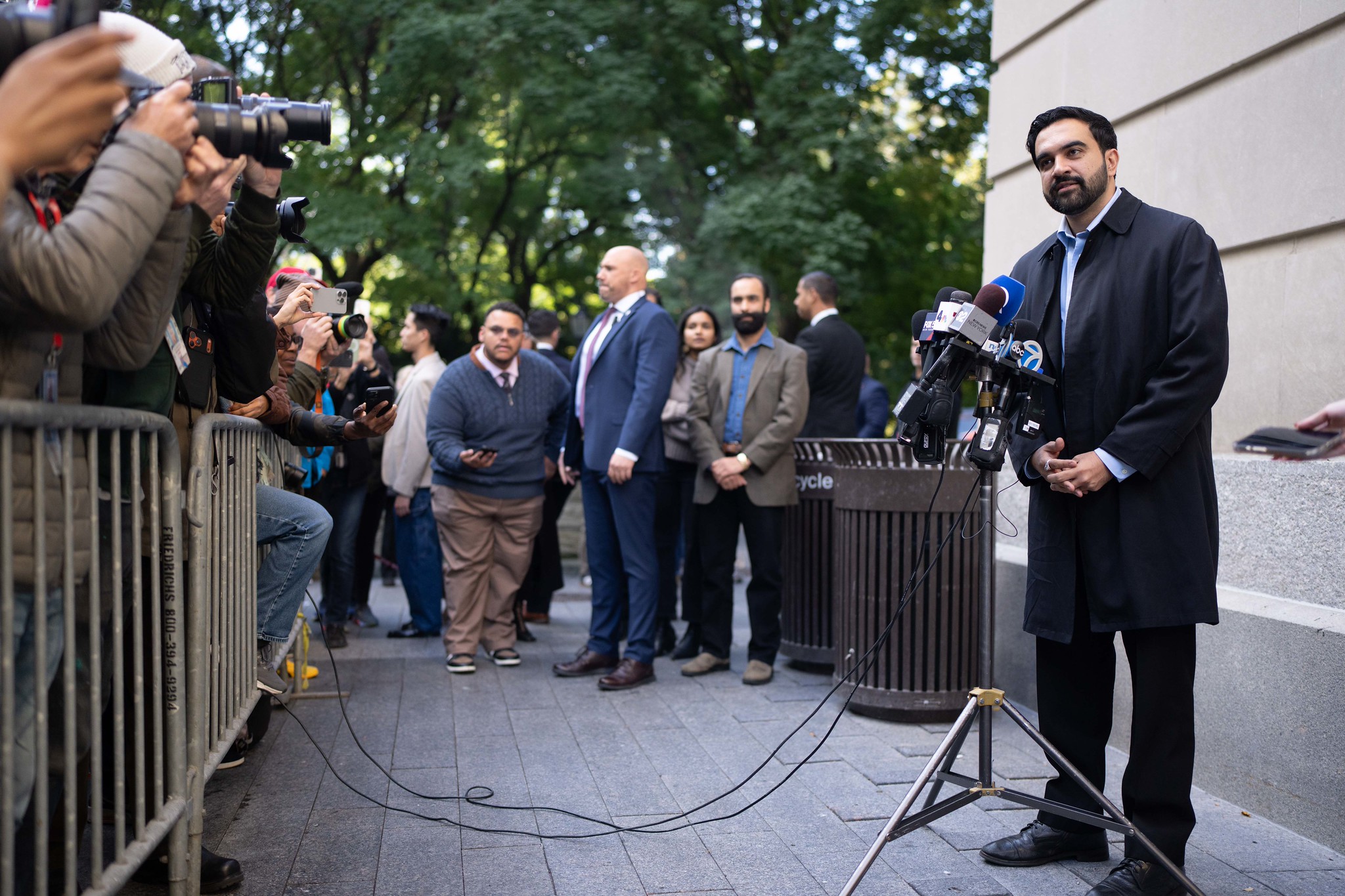
New York City Mayor Zohran Kwame Mamdani casts his ballot on the first day of early voting on Saturday, October 24, 2026. Michael Appleton/Mayoral Photography Office
Mayor Mamdani, New York Liberty and Brooklyn Nets Bring New Life to Brooklyn Basketball Courts at Fish Playground
Renovation delivers new playing surfaces, backboards with nets, fresh paint and new benches as part of $2.89 million initiative to upgrade 13 basketball courts across five Brooklyn parks in neighborhoods with acute levels of gun violence
NEW YORK – Mayor Zohran Kwame Mamdani, NYC Parks Commissioner Tricia Shimamura and Clara Wu Tsai, founder of the Social Justice Fund and owner of the New York Liberty and Brooklyn Nets, today announced the completion of a renovation of three basketball courts at Fish Playground in Brooklyn.
The renovation includes new backboards with nets and repaved courts with a grey, black and seafoam green finish. New benches provide seating for players and spectators, while a new water fountain helps parkgoers stay hydrated. The project also refurbished the chain-link fence with new mesh, preserving sightlines into the park while keeping wayward basketballs from bouncing into the street.
This full renovation is part of a $2.89 million investment by the Joe and Clara Tsai Foundation’s Social Justice Fund to upgrade 13 basketball courts across five Brooklyn parks. The work is funded through NYC Parks’ Adopt-A-Park program.
“Play is a public good and a building block of safe, connected communities,” said Mayor Mamdani. “These renovated courts will give families across Brooklyn the space to play, connect and enjoy their parks. We’re thankful to the Social Justice Fund, the Nets and the Liberty for making that possible.”
“Basketball gives kids a fun and engaging way to stay active, take in some fresh air and connect with friends. Investments like these court renovations can make a huge difference for public safety by giving young people a welcoming space for safe fun, which is especially important in neighborhoods that have historically been underserved,” said NYC Parks Commissioner Tricia Shimamura. “With these renovated courts, we’re inviting New Yorkers to make this park into their own Barclays Center, whether they’re casual fans or longtime hoopers. We’re so grateful to our partners at the Social Justice Fund, the Nets and the Liberty for making this renovation possible and for investing nearly $3 million to upgrade basketball courts throughout the borough, focusing on neighborhoods with acute levels of gun violence. Projects like this can change lives.”
“Our city’s public basketball courts are more than just places for exercise, they’re a cornerstone of community gathering and connection,” said Clara Wu Tsai, founder of the Social Justice Fund and owner of the New York Liberty and the Brooklyn Nets. “We’re proud to have invested over $2.8 million in 13 courts across Brooklyn over the last years. And we are especially proud that those investments spurred new commitments from across New York City’s departments to protect and preserve more of these vital community spaces. Every pick-up game and every youth league brings our borough closer together.”
“These renovated courts mean that our young scholars can be outside in safe proximity to our school building, while still enjoying the activities that kids would want to do,” said Principal Rashad Meade of Eagle Academy for Young Men II. “Having these here keeps the scholars close and out of harm’s way, which is especially critical for Black and Brown boys in this neighborhood. We’re going to make full use of these new courts.”
In addition to Fish Playground, the Social Justice Fund has sponsored basketball court renovations at Jackie Robinson Playground in Crown Heights, Breukelen Ballfields in East New York, Fox Playground in Flatlands and Sunset Park. Together, the projects have upgraded 13 courts across the five parks.
The sites were selected in consultation with NYC Parks as part of the Social Justice Fund’s racial justice initiative, which aims to expand access to recreation and state-of-the-art park amenities in Brooklyn neighborhoods experiencing acute levels of gun violence.
Fish Playground opened in 1965 and is jointly operated by NYC Parks and the Department of Education. Its name comes from the streets that border it: Fulton Street, Saratoga Avenue and Herkimer Street, whose initials form FSH.

New York City Mayor Zohran Kwame Mamdani host the the second annual Cost of Living Classic at Maimonides Park in Coney Island on Sunday, October 25, 2026. Michael Appleton/Mayoral Photography Office
TRANSCRIPT: MAYOR MAMDANI PARTICIPATES IN GAGGLE WITH PRESS
Question: I wanted to ask you about the letter to ICE and the Parks Department policy. Two questions, really. One is, what is it really going to do if they obey the letter of the law and just park across the street? What has that accomplished? And then I have a follow-up.
Mayor Zohran Kwame Mamdani: I think first and foremost, we want to make very clear that we mean what we say when we talk about sanctuary city policies and we talk about the fact that our city will not assist in immigration enforcement. And what we’ve seen all too often is ICE’s flouting of those directives and those laws. And this is a letter to make very clear that ICE has no right to use any city property or lots for anti-immigrant operations and that we are willing to go to court if they continue to do so.
Question: And as a follow-up, one part of the Parks Department policy is that employees, if ICE were to try to park at a park, would say, “What’s the purpose of your visit?” and “Show me your ID.” When that had been tried before at DOE, school employees were saying that’s too much pressure on them to have to basically say to a masked ICE agent, “Show me why you’re here.” Are you comfortable with that onus being on a Parks Department employee?
Mayor Mamdani: Well, I am confident in our city workers, frankly, and being the first line of defense for New Yorkers across the five boroughs, especially immigrant New Yorkers. We know we’re a city of eight and a half million people. More than three million are immigrants, and so many immigrant New Yorkers right now are fearful of what their day-to-day life can look like in this city. And we’ve provided the guidance to parks workers, not only of what they should do in that situation, but also who they should call so that they’re not facing this kind of a thing on their own.
Question: Mr. Mayor, have you spoken personally to President Trump about this issue, whether in the past or given that you just left his office?
Mayor Mamdani: The president and I are in open conversation and communication about a range of issues affecting our city. We’ve spoken directly about ICE. That is one of the clearest examples of a stark policy difference between the two of us, and that conversation will continue. I’ll keep making the case that ICE is an agency that does not serve in the interest of public safety here in our city, and that New Yorkers deserve to have that safety, no matter if they were born here or elsewhere.
Question: But if there are continued violations of your policy here, as far as the parking lots, would you reach out to them?
Mayor Mamdani: I think it’ll always be a part of that conversation, and we’re also making clear to ICE directly that we are willing to go to court if that’s necessary.
Question: I wanted to follow up. When it comes to the Parks employees, in the sense of burden, I mean, could they potentially face consequences if they know that’s happening and they don’t want to go up to the ICE agent and, you know, start the whole entire conversation? Then I also wanted to ask, at what point does the threat of legal action become actual legal action? You know, ICE moves quickly in the city. They may stage out a parking lot one day and be at a different one the other day. At what point do you say, you know, now is the time to pull the trigger?
Mayor Mamdani: This is the moment where we are issuing this letter to make it clear that any continued violations beyond this now triggers the threat of legal action. And we’re being clear about this because we do not want any complicity in these immigration enforcement actions. We’ve made very clear that they are actions that threaten the safety of New Yorkers. Again, the most recent ICE raid that has been in the minds of New Yorkers is that when ICE agents opened fire on a moving vehicle in broad daylight right after school was let out to try and stop Oscar Bergall, shooting at his car, within which his 5-year-old child was also present.
So that’s really what we’re talking about, the consequences at hand. When it comes to Parks workers, they now know what it is to be done when facing an ICE agent. That is to ask for ID, to ask for a judicial warrant, to call our lawyers before anyone has provided access. I have full confidence in them and in the entire city apparatus to be able to respond to those kinds of situations.
Question: Hi, Mayor. I’m wondering — so was the city in violation of sanctuary city policy for these instances by even unwittingly letting ICE operate on these parking lots?
And then, second question, I just wonder what your message is to voters who maybe don’t feel the same urgency as they did last year [when] we’re in a blue state, especially for members of your base — there aren’t super progressive, competitive races on the ballots. So, why should they vote tomorrow?
Mayor Mamdani: I think when it comes to the election tomorrow, it’s an opportunity to do a number of things. The first is to send a message that we want to keep driving down costs for working-class New Yorkers. The governor and I have worked well together in delivering universal childcare as a reality for thousands of New Yorkers, saving those same New Yorkers upwards of $2,000 a month. And that is the very kind of program that Bruce Blakeman would terminate on day one. He has said that himself.
When we’re talking here about SNAP cuts, we know that 26,500 New Yorkers lost their SNAP benefits. Another 900,000 New Yorkers are at risk of losing their health insurance as a result of H.R. 1. Bruce Blakeman’s response to H.R. 1 was to say that he wanted to cut Medicaid in half. That’s what’s on the ballot right there.
And then when we’re talking about the ballot, we also should talk about flipping the ballot because we have the five ballot proposals from the Commission on Government Efficiency, and those are proposals on making government run faster. Whether you are a New Yorker and you want a small business to succeed; proposal No. 1 would cut $1,800 from that small business’s fees, speed up outdoor dining processing by 75 percent.
If you work for a nonprofit, you want to see that nonprofit get your money faster from the city, proposal No. 2 speeds up that process. If you’re a New Yorker who’s concerned about crossing the street and making sure that you’re always safe — no matter where you are in the five boroughs — proposal No. 3 fast-tracks street safety improvements. Proposal No. 4 takes 18 agencies that require 40 approvals, makes it into one place; and proposal No. 5 strengthens our city’s savings. So, there’s a lot to vote on tomorrow, and we’re looking forward to seeing New Yorkers do that.
Question: Was the city in violation of its own sanctuary city policies?
Mayor Mamdani: No.
Question: So, we’ve done a lot of reporting about SNAP fraud, about people losing their SNAP benefits to fraud — they show up at the grocery line, they’re about to pay for their stuff with their EBT card, and there’s nothing on it. It’s been stolen by online theft. And the federal government used to reimburse this, to get their money back [inaudible], and they stopped. Is this something the city could help fill in the gaps on? Is this something you’ve looked at, that the city could help make people whole so they could buy groceries that month?
Mayor Mamdani: We are looking at every option that we have to deliver for New Yorkers who are being priced out by the cost of groceries and by the cost-of-living crisis. And when it comes to SNAP fraud, this is something that I was familiar with as an Assembly member, as I would have constituents who would find unwittingly that their card had been copied and that their benefits had been drawn down without their knowledge. That’s something we’re going to continue to work with the state on to ensure that we’re protecting New Yorkers to the best of our ability.
When it comes to what we can do, we have, for example, increased the Health Bucks that are available to New Yorkers who are on SNAP by 40 percent, so they can buy from fresh stands and farmers markets more fresh produce they otherwise wouldn’t be able to afford. We’re also looking to keep as many New Yorkers on SNAP as were on it before. We know that these work rule changes have been devastating. 26,500 New Yorkers did lose their SNAP benefits. But thanks to the work of so many city workers across city agencies, we were able to keep more than 200,000 New Yorkers on SNAP who were otherwise at risk of losing it.
Question: For New Yorkers, this month, next month, until these chip cards come in, [they] show up and their money for the month is gone, what should they do?
Mayor Mamdani: I think the first thing to do for them is to report it. The second thing to do is, if they’re having larger concerns around SNAP eligibility, to go to nyc.gov/workrules. And what I will say is we will always look at ways that we can help working-class New Yorkers afford their life in the city. It is difficult to keep up with the scale of the federal government’s cuts, just given the amount of money we’re talking about. We’re hopeful that we will see a different policy approach, and we’re hopeful that we will see Democrats take back the House and the Senate and really create the constituency for that kind of a demand.
Question: Mayor, do you want to say anything about the [inaudible]?
Mayor Mamdani: It’s great. Keep voting. 6 a.m. to 9 p.m. And if you see a poll worker, say thank you because they’ve been working so hard throughout the entirety of early voting. Thank you so much.
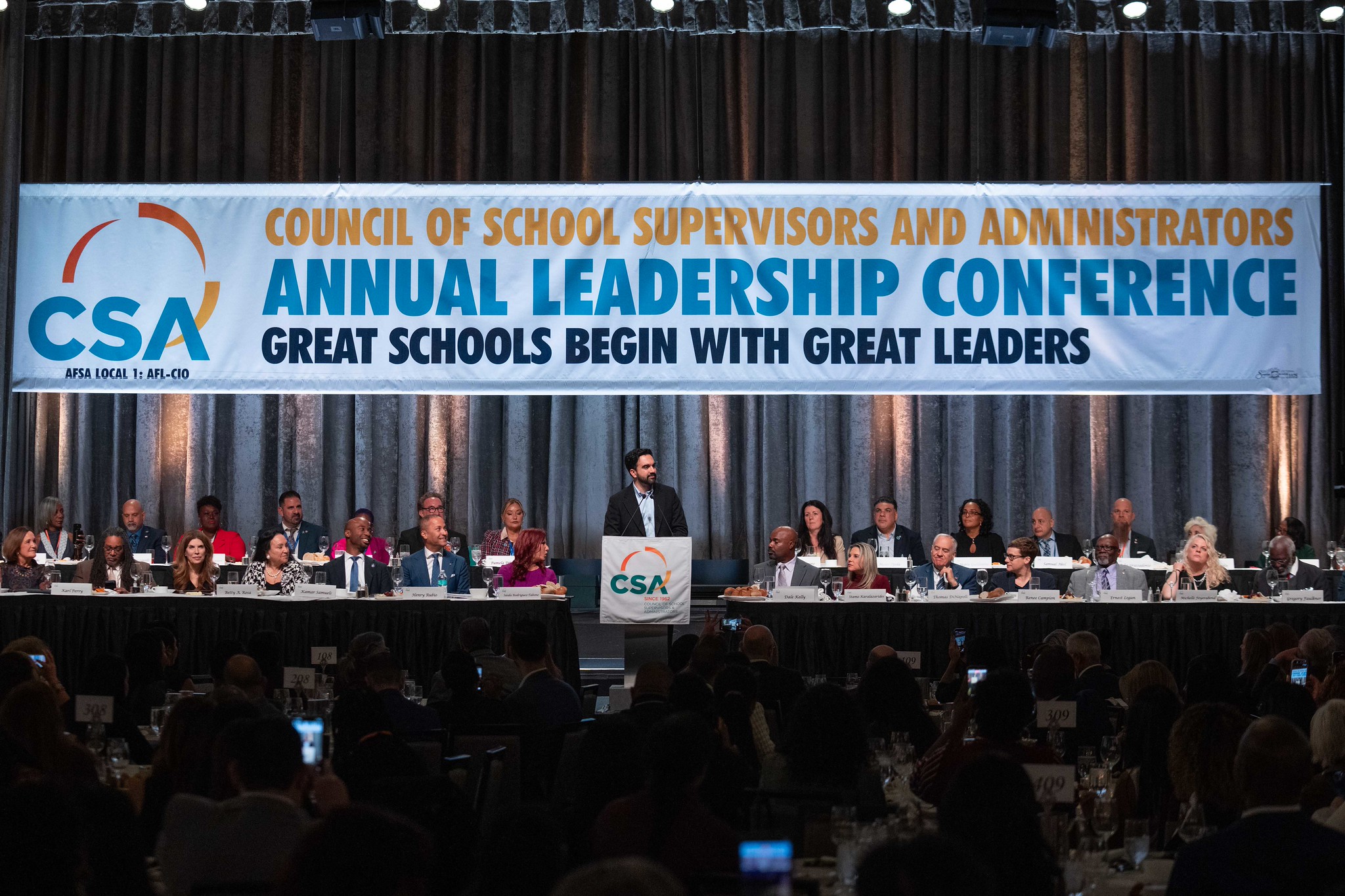
New York City Mayor Zohran Kwame Mamdani delivers remarks at the Council of School Supervisors and Administrators (CSA) NYC on Saturday, October 25, 2026. Michael Appleton/Mayoral Photography Office
TRANSCRIPT: MAYOR MAMDANI HOLDS MEDIA AVAILABILITY
Question: Mayor, so are you still planning on signing the bill? I mean, there was a horse carriage bill. There was a lot of testimony today, you know, raising concerns about it, especially about, you know, the worker protection aspects. I know you said you were going to come out and sign it before, but did this change your mind at all?
Mayor Zohran Kwame Mamdani: Yes, I will still be signing it. And I also just want to take a moment to speak about the workers. I had the opportunity to visit a horse stable and meet with a number of horse carriage drivers, including some of whom had testified today, and I want to emphasize my respect for them and for the work that they do.
These are drivers who should not be demonized. These are drivers who care deeply for their horses and have built their livelihoods through this work. And many of them, I know, are still in debt from buying their medallion and are deeply worried about the financial implications when it comes to this legislation. And that is why we are committed to not only hearing from them about their concerns but also in creating a fair and just and real transition for them out of this workforce.
Question: Regarding yesterday’s blue wave, could you articulate specifically the sorts of changes with regard to America’s policy toward Israel you’re hoping to see Congress enact?
Mayor Mamdani: Yeah. You know, what last night showed us is that Americans are tired of being told that their needs are unrealistic by politicians who have been bought by the wealthiest people in the country. This country has elected a new generation of leadership, a generation with a mandate to lower the cost of living, to build, not bomb, to never betray the working people who entrusted them with power.
And I hear often that the politics that we’re fighting for here in New York City are not possible outside of city limits. And what last night showed us is that working people are the majority, whether we are speaking of Austin or Ann Arbor or Astoria, and it is time to put those same people first in our politics. And last night shows us that it’s possible to do so all across the country.
Question: Are there particular things you’d like to see change [inaudible]?
Mayor Mamdani: Yes, I would like compliance with international law. I would like to see an evaluation of humanity over what we have seen for too many years.
Question: One of the reasons your politics resonated in New York City was specific promises: buses fast and free, universal Pre-K, to name a couple. What specific things should Democrats do first? For example, should one of their first acts be to vote to end the war in Iran? I’m not saying that has to be your answer, but I’m looking for that sort of specific action item you would suggest for Democrats.
Mayor Mamdani: Well, I appreciate this question because I think what it gets to, Henry, is the fact that it is not enough for us as Democrats to win power. We have to use that power to deliver change that Americans can feel in their wallets.
And to me, when you look at these campaigns, if we want to speak about James Talarico, he campaigned on a vision for universal childcare. If you want to talk about Keisha Lance Bottoms, she campaigned on a vision of cutting red tape to actually be able to build housing at the speed that’s needed. And if you want to talk about Jocelyn Benson, she campaigned on a moratorium for data centers.
These, to me, are examples of the kind of specifics. But again, what I’m excited to see now is a recognition that the work is only just starting and that this has to be delivered for working people across the country.
Question: Any recommendations on how to strike a balance between legislating and oversight with respect to President Trump? You came out of an administration, Mayor Adams was accused of a number of corrupt acts and was taken to court, and you haven’t done much sort of reckoning with that. You just sort of moved on. Do you want to see Democrats do the same thing at the federal level?
Mayor Mamdani: I think every single day should be one that we spend in a way that’s relevant to working people’s lives and their struggles. The corruption that we’ve seen come out of Washington is relevant to working people’s struggles, as is the affordability crisis. I think it is possible and it is necessary to take action on all of the above.
Question: Hakeem Jeffries is poised to be the next speaker of the House. Can you talk about what your relationship is with Hakeem Jeffries? Obviously, your predecessor had a sort of fraught relationship with him. And then, have you spoken with the DSA members you championed for Congress who are taking office about their support for him?
Mayor Mamdani: I’ve spoken to the DSA members that I’m so proud to see as our next Congresswomen here in New York City about a range of issues. And one of the things I’ve spoken to them about is the fact that I am so excited that they are now going to not just be candidates, but Congresswomen.
When we’re speaking about Claire Valdez, we’re talking about Darializa Avila Chevalier. They’re joining Alexandria Ocasio-Cortez as DSA Congresspeople representing the great people of our city. And what I know so many New Yorkers are excited by is the fact that they will be fighting not just in opposition to so much of the cruelty we’ve seen over the last few years, but also for the people of this city. And I can’t wait to count on them as partners for our affordability agenda at the federal level.
When it comes to your first question, you know, I had the opportunity to speak to Leader Jeffries last night, congratulated him on the victories across the board, and we have a good working relationship.
Question: Let me ask you about having three New Yorkers, the president and potentially the two leaders of the House and Senate, be New Yorkers. I’m wondering, how do you think that will affect the city’s agenda, and what specifically will you be asking for locally from those folks?
And my second question is, you know, neither Darializa Avila Chevalier or Claire have committed to voting for Hakeem as speaker. I’m wondering if you’re concerned if they decide not to vote for him, how that will affect the city’s relationship with the speaker?
Mayor Mamdani: You know, I’m not here to make decisions for others. I think that what we’ve seen is that they’ve been elected to make their own decisions, and the decisions that they have made thus far have been those of prioritizing working people every step of the way. I have full confidence that that’s what they’re going to continue to do.
On your first question, to me, one of the most important aspects of what comes next is the urgency. JD Vance told Americans to give him two more years. Americans cannot afford two more years when their rent is due on the first of the month. Americans cannot afford two more when they have to pay childcare for their kids. They cannot afford two more years when they had to go to the grocery store today.
And so, what we need to understand is the urgency of delivering for those same Americans that have entrusted us with this power. And that is what is so exciting to me, is —
[Crosstalk.]
I think we’ll leave it there.
Question: Specifically, will New York’s agenda be helped, and are there specific items that you want to ask for?
Mayor Mamdani: [Crosstalk.] To your question about what we are looking for, we are first looking for an end to the kind of policies that have had cruel impacts on New Yorkers’ lives. SNAP policy changes have robbed 26,500 New Yorkers of SNAP benefits, making it literally harder for them to afford food that they can put on the table for their families.
When we’re talking about H.R. 1, 900,000 New Yorkers are at risk of losing their health insurance. So first and foremost, there is the need to ensure that federal policies are not making life harder for New Yorkers. And then there’s the work that we need to do to deliver on an affirmative vision for New York. And our vision is one that requires partnership at the city level, state level and the federal level.
Question: I want to ask you, the five ballot questions that came out of your commission all passed yesterday. I wanted to get your reaction to that. And also, I wanted to ask you if you’ve called Abdul El-Sayed, have you spoken to him, and how much of this election do you think was a referendum on President Trump and what’s come out of his White House?
Mayor Mamdani: Yeah, I think this referendum was on politics at large across this country. This referendum was one of politicians telling working people that their needs were unrealistic while those same politicians were willing to do whatever it is that the wealthiest people in the country would ask them to do.
I think that this referendum — this election — is also a referendum on JD Vance asking for two more years to deliver on the things that Americans cannot afford even another day of delay on.
And I am excited because what we now have is an opportunity to ensure that we recognize our job for what it is. It is not a job to better manage a decline. It is a job to inspire our country to heights that we’ve never been to before, where the working people who built this country are the ones that are then in the centerpiece of all of our politics.
And to your question about COGE, it is what we saw last night: New Yorkers voting for a government that moves as fast as they do. We saw New Yorkers vote by significant margins, whether to speed up the process of outdoor dining and save small businesses money, or accelerate street safety improvements, or ensure that nonprofits could actually have their contracts paid on a better timetable, or even to cohere the way in which we build affordable housing and strengthen our savings.
And to me, what is so exciting to see is that this is now an opportunity for New Yorkers to have a government that moves as fast as they do. And I also just want to take a moment to acknowledge Jimmy, who’s here, who has worked tirelessly, as have a number of others on our team at City Hall, in ensuring that we met the state requirement of public education around these ballot proposals. It would not be possible without that kind of work.
Question: And calling Abdul, did you call him at all? Have you congratulated him?
Mayor Mamdani: I haven’t spoken to him yet. I’m sure he is quite busy. I’ve had the privilege of speaking to him in the past, and I have to say that his election is one that means so much to so many. And to see that victory in the face of all that he had to reckon with over the course of that campaign, whether in terms of the extraordinary amount of money spent to oppose him or the racism and slander that he was met with on a daily basis, it is incredibly exciting to see, as he said last night, that the good guys won.
Question: I wanted to follow up on Jeff’s question about the New Yorkers running the country. So, you’ve got Hakeem, you’ve got Schumer, you got Trump, all from New York. Does any of that matter? You’ve had experience having the president at Gracie Mansion, a building he likes. Did that lead to anything tangible? And do you think the background of Jeffries and Schumer being from New York will lead to anything tangible?
Mayor Mamdani: I think that having leaders in Washington be from our city and of our city is of incredible importance to our city. Because for them, the struggles of New Yorkers are not intellectual concerns or ones that are being mediated through the prism of media or politics. It is one that they experience and hear from their constituents about every single day.
And when it comes to the president, I’ve said time and again that we have significant policy disagreements, and yet we look to work together on the areas that we can agree on. And one of those very limited number of areas is the welfare of the city as a whole.
And it is through those conversations that we’ve been able to secure the release of a New Yorker who was detained by ICE. It’s through those conversations that we were able to secure a visa for J Javits Frimpong’s mother to ensure that she can be here for the burial of her child. It’s through those conversations that we can always make sure there’s an avenue to make an ask for the benefit of working New Yorkers. And I look forward to continuing to explore every option to deliver for this city.
Question: So, since the governor stopped the civilian fare enforcement teams on the buses and the NYPD hasn’t written bus tickets in quite a while, do you see that as you’ve achieved your goal of making the buses free? And if not, how do you interpret yesterday’s result as either moving toward or away from your goal of taking the buses free?
Mayor Mamdani: Thank you very much for your question, Nicole. I don’t see it as the fulfillment of that goal because a key part of that goal is ensuring that we make the MTA whole as a result of making those buses free. That’s why it’s not just a policy goal but also a fiscal goal, which would cover the fare revenue that the MTA would otherwise make, as opposed to telling them to find another way to make ends meet, because that is the history of New York politics is putting policy goals on the MTA, not providing them with the financial support, and then asking ourselves, why did services suffer as a result? So, there is much more of it to be won.
And in terms of your other question, yesterday what we also saw here in New York was not just the passage of these five ballot proposals. We also saw the governor, the attorney general, Democrats up and down the ballot winning at margins that we haven’t seen in quite some time.
And especially the governor and the attorney general, I think it was a 21-point margin the last time that I saw, which is incredible considering so much of the campaign was spent hearing Bruce Blakeman talk about how it was going to be 52-48, and I don’t even know if he won Nassau.
Question: You kind of touched on this, but I’m just kind of following up. What was it like watching the blue wave last night? All the wins from New Yorkers and so many firsts, and also specifically, what is your plan that translates last night’s wins to helping everyday New Yorkers?
Mayor Mamdani: It was incredible to see the blue wave and to say words that I never thought would be together in a sentence: South Carolina, Kansas, Iowa. The races that are still yet to be called, that these are even in question — it speaks to the fact that this entire country is ready for a politics that means something to their lives and to their struggles.
And what we saw Democrats running on across the country was an ambition for what government could do, as opposed to a sense that our job is simply to describe working people’s struggles. Our job is to deliver on those struggles.
And the commonality between working people in Austin and Ann Arbor and Astoria across this country is one that should inspire also a commonality of purpose for what we do with this power, because I see in that the true reflection of what the American people want, which is change they can feel in their wallets.
Question: [Inaudible.]
Mayor Mamdani: It means that we can go from being on the defensive to being on the offensive. The defensive means trying to prevent as many New Yorkers as possible from losing their SNAP benefits or losing their health insurance. That’s a reflection of the policies that Republicans have pursued for the last few years.
The offensive is delivering to make life more affordable for them. That’s what we’ve been focused on here in New York City, and that’s what we could do so much more of if we had federal partners across the board. And now we’re seeing the election of many of them.
Question: Are you planning to, I guess, walk across the aisle with the Republican leaders who may be a little disgruntled with the wins of last night, or in general?
Mayor Mamdani: I’m willing to work with anyone, no matter what party they’re a part of, so long as us working together can deliver for working people. That’s how I see my job. That’s what New York has elected me to do. And that’s what we have to measure success by: the results.
Question: There’s considerable momentum in the left flank of the Democratic Party. Do you think the left should continue to —
Mayor Mamdani: Can you say that one more time?
Question: There’s a lot of momentum in the — do you think the left should continue to kind of press its foot down on the gas? Or is there a risk of too much feuding, fracturing the party ahead of an important presidential cycle?
Mayor Mamdani: Foot on the gas. This is the moment where we are seeing people across this country vote for a politics that will mean something. For a long time, politics has felt like a hobby only some people can afford. We want politics to mean the deliverance of dignity into working people’s lives.
And to look at the victories not just last night, but even in the primaries going through yesterday evening, it’s a realization that it’s a new dawn in America. It’s a new day in America, and I cannot wait to see what we do with this opportunity because it is one that we now must deliver on.
Question: But do you worry about rifts? Or do you think it’s the time for unity? Or, like, how do you?
Mayor Mamdani: I think it’s a time for delivery. I think it’s a time for dignity. I think it’s a time for understanding that power is not something you just fight to have. It’s something that you use to deliver for the working people who’ve been robbed of it for too long.
Question: And just one more. The WFP line grew its share of votes in the governor’s race. Do you think that gives you more leverage in your push to raise taxes in Albany?
Mayor Mamdani: I think what it does is show that the constituency that is fighting for working people is only growing, and we’re excited to grow that coalition every single day.
Question: Given last night’s election results, do you expect the governor to be more open to left-wing priorities such as increasing taxes on the wealthy, or do you think she’s going to use her mandate to push more to the center and quash any progressive agenda items?
Mayor Mamdani: What I’ve found from the governor is a commitment to a productive working relationship, no matter what month it is or what year it is. And I am confident that that is going to continue, because what New Yorkers have shown is that they prefer life when all of their elected representatives understand their jobs are to work together to deliver for them. And that’s what we’re going to do.
It was a pleasure to campaign with the governor. It was exciting to see that margin run up yesterday evening. A race was called at 9:02 p.m. There were people still online at 9:02 p.m. And to me, that’s a reflection of all that we’ve been able to do and all that we still have yet to get done.
Question: When was the last time you’ve talked to the governor about increasing taxes on the wealthiest, and what was the conversation like?
Mayor Mamdani: I can tell you the last time I talked to the governor was last night. It’s been quite some time since we’ve talked about anything other than the election because that’s really been the focus. I did congratulate her on finishing the Van Wyck, though. That’s something that means a lot to a lot of New Yorkers. Thank you, guys.
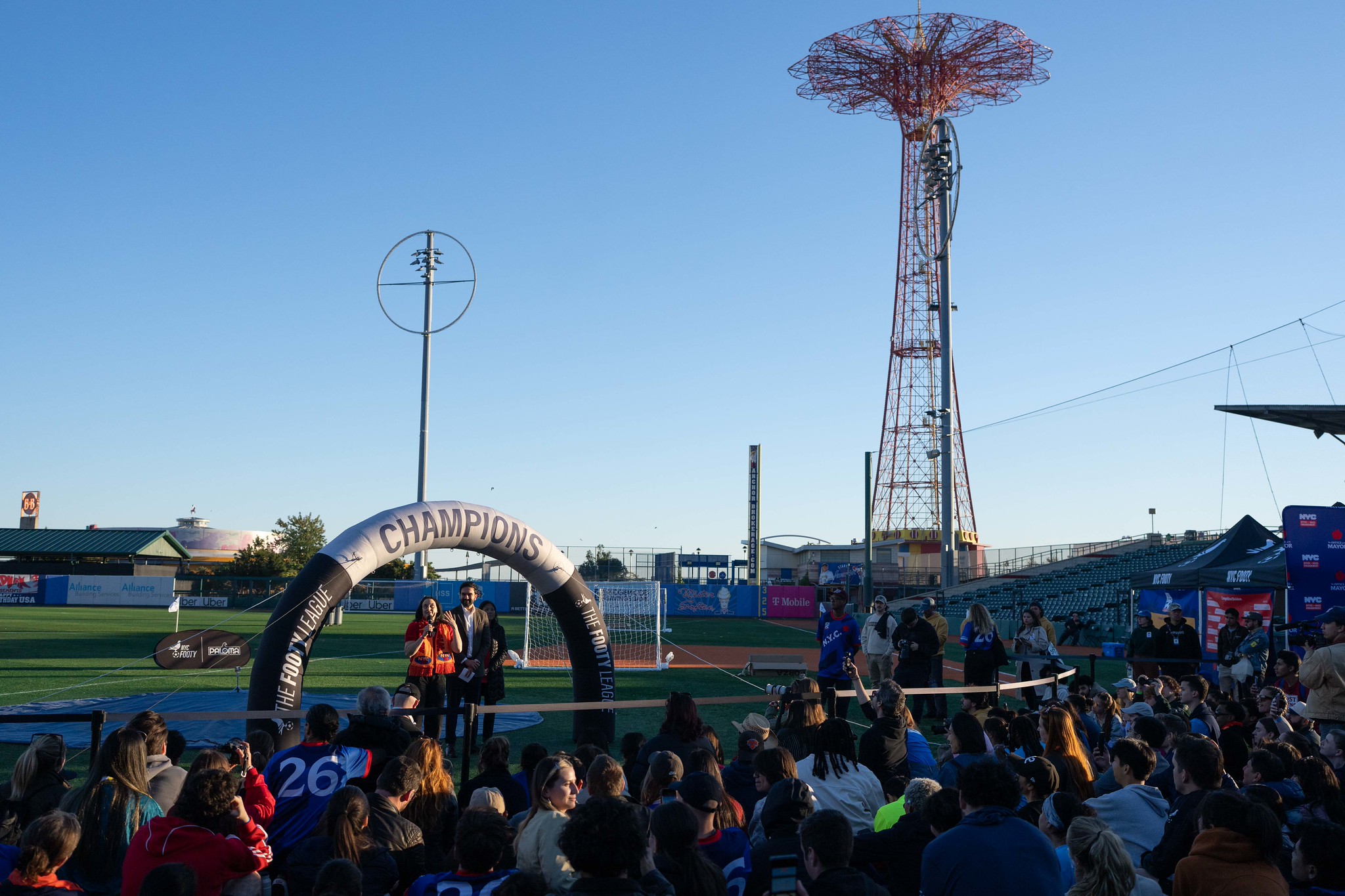
New York City Mayor Zohran Kwame Mamdani host the the second annual Cost of Living Classic at Maimonides Park in Coney Island on Sunday, October 25, 2026. Michael Appleton/Mayoral Photography Office
Pilot City: Mayor Mamdani Pairs City Workers and Researchers From Local Universities to Solve City Problems
Agencies and universities team up across 40+ projects backed by $2 million in research grants
Projects champion tenant protections, better buses, accessibility and more
NEW YORK – Mayor Zohran Kwame Mamdani today announced $2 million in seed research grants to fund over 40 City projects exploring science-based solutions to public problems. The Pilot City program pairs City workers with STEM researchers from local universities to develop applied research projects and technology solutions that address the everyday challenges facing New Yorkers.
This year’s winners include partnerships between agency staff and researchers based at institutions across the City:
- The Mayor’s Public Engagement Unit and the City University of New York to analyze data from the Tenant Helpline, Housing Court and 311 to identify patterns in displacement and building distress to inform tenant protection outreach.
- The Department of Transportation and New York University to measure the socioeconomic impacts of bus priority projects on riders and communities.
- The Department of Citywide Administrative Services is partnering with Vanderbilt University and Pratt Institute to build a centralized digital hub to demystify NYC’s civil service system.
- The Department of Transportation and Columbia University to explore wayfinding solutions for people with vision disabilities.
“A civil servant, an academic and a philanthropist walk into a bar — and come up with a way to raise it,” said Mayor Mamdani. “With these projects, we’re championing better City services for tenants, bus riders, families and New Yorkers across all five boroughs. By partnering agencies and research institutions, we’re bringing the best of the best together to solve our neighbors’ most pressing problems.”
In May, more than 100 agency staff attended the Pitchfest, an event co-hosted by the City of New York and Pilot City. Agency staff pitched potential projects to more than 250 experts from New York’s universities. 90 projects found their match and over 40 researcher-agency teams won funding.
Pilot City is a program of Renaissance Philanthropy, a non-profit founded by former members of Obama’s Office of Science and Technology Policy team The program is funded by local foundations including the Alfred P. Sloan Foundation, Robin Hood, The Charles H. Revson Foundation and The Tow Foundation, with additional contributions from participating local universities.
“By partnering with our world-class universities and philanthropic organizations, New York City government is creating the conditions for innovative technology ideas to take flight and change the lives of millions of New Yorkers,” said Chief Technology Officer and Office of Technology and Innovation Commissioner Lisa Gelobter. “The Pilot City initiative underscores the important role technology plays in delivering policy outcomes and showcases the value of collaboration and exploration as we pursue solutions for the city’s most pressing challenges.”
“A career in city government should be within reach for every New Yorker who wants to serve,” said DCAS Commissioner Yume Kitasei. “I am excited for our teams to partner with the Pratt Institute and Vanderbilt University and collaboratively build a centralized digital hub to make the city hiring process easier to navigate. We’re thankful to the Mayor and Pilot City for supporting a fresh effort to open doors to public service, as we build a workforce that reflects our community.”
“Strong communities are essential to mental health and community safety. Through our partnership with Cornell University’s Dr. William Lodge and GROUND3D, we are developing a NYC Community Resilience Index to better understand the neighborhood conditions and social connections that help New Yorkers thrive. This work will give us actionable, neighborhood-specific insights to guide investments in prevention and community mental health. As part of the broader Office of Community Safety strategy, the Mayor’s Office of Community Mental Health is advancing an approach that recognizes resilience not just as an individual strength, but as something we build together—through connected communities, coordinated support and sustained investment,” said Dr. Ayesha Delany-Brumsey, Office of Community Safety Commissioner.
“The Mamdani administration has committed to delivering world class bus infrastructure and a more accessible New York City, because New Yorkers deserve nothing less,” said NYC DOT Commissioner Mike Flynn. “We pride ourselves on taking a data-driven approach to improving our city’s services and look forward to deepening our understanding of how our work can uplift and benefit all New Yorkers. We thank the Mayor and these institutions for funding and partnering on these exciting research projects.”
“New York City is setting the standard for how government puts research to work for its people, and the administration’s Pilot City initiative is bringing our public servants together with leading researchers to do just that,” said NYC Emergency Management Commissioner Christina Farrell. “Our partnership with NYU will help us better measure the value of investments and maximize funding to protect our neighborhoods and support resiliency. With Vanderbilt University, we’re developing tools to improve transportation coordination during coastal flood protection deployments. Together, these projects will help us make better use of public resources, strengthen our city’s resilience and prepare for the future, all while keeping New Yorkers safe.”
“Creating pathways to opportunity for young New Yorkers means understanding and addressing the barriers that stand in their way,” said DYCD Commissioner Sandra Escamilla-Davies. “At DYCD, we see firsthand the talent, aspirations and potential of young people across our city, as well as the challenges they face. By bringing that experience together with the research expertise of our university partners, we have an opportunity to better understand what works, what needs to change and how we can be more responsive. Whether we are examining the impact of youth employment on college enrollment or exploring how flexible cash assistance can prevent housing instability, the goal is the same: to turn what we learn into stronger programs, better supports and more meaningful opportunities for young people to thrive.”
“NYCHA is proud to have two innovative research projects selected for the Pilot City program in partnership with Columbia University,” said NYCHA Chief Executive Officer Lisa Bova-Hiatt. “Exploring the potential of battery storage and advancing our understanding of community-based mental health initiatives reflect our commitment to finding forward-thinking, evidence-based solutions that strengthen our developments and better serve NYCHA residents. We look forward to working with our partners to translate these research efforts into meaningful improvements for NYCHA communities.”
“The collaboration of scholars across universities and colleges in New York City enables the best and brightest to have their hand at making government information more accessible,” said Department of Records and Information Services Commissioner Shawn(ta) Smith-Cruz. “The Municipal Library was excited to be chosen to participate alongside professors at the Pratt School of Information to provide an enhanced user experience for city agencies, making access more attainable for users everywhere.”
“There’s nothing more frustrating for New Yorkers than construction projects taking too long,” said Paul A. Ochoa, Commissioner of the New York City Department of Design and Construction. “Pitchfest and the use of technology is a great step towards speeding up our work – DDC is proud to partner with Vanderbilt University, a new member of the NYC community, to use machine learning tools to speed up our internal approvals and start work sooner. Working with Vanderbilt and Assistant Professor Ma, we are aiming to cut down our subcontractor review process from 60-90 days, to just under two weeks. This new tool will help deliver faster for New Yorkers.”
“We’re thrilled to collaborate with NYU on this transformative initiative, which will leverage technology to unlock historic documents to better protect tenants and preserve affordability. This is a model for collaboration between the public sector and educational sector to better serve New Yorkers,” said Maggie Raife, Assistant Commissioner, Division of Strategic Operations & Analytics, Department of Housing Preservation and Development (HPD).
“New York’s universities are home to some of the world’s top STEM talent—you can find researchers who specialize in topics ranging from watershed management to the efficacy of cash assistance. Through a simple format that resembles speed dating, the Pitchfest aims to make it easier for agencies to harness this wealth of latent expertise present in our incredibly diverse City. We are thrilled by the number of academics who want to give back to their community, by working with agencies to help create and refine tools, programs, and policies,” said Cara Eckholm, Director of Pilot City.
“This project demonstrates the great potential for CUNY researchers to help New York City develop practical, scalable responses to many pressing challenges and needs,” said CUNY Chancellor Félix V. Matos Rodríguez. “Pilot City serves as a compelling example of the ways CUNY can partner with City government to move innovative ideas toward real-world solutions, improving the quality of life for New Yorkers. We thank Mayor Mamdani for his recognition and support.”
“Columbia University’s Data Science Institute (DSI) uses data science and machine learning for societal benefit, advancing research that can serve New Yorkers. Through this initiative, Columbia researchers are partnering with NYC agencies on key challenges—from analyzing health disparities in older adults to managing marine traffic and building computer vision platforms for street asset management,” said Garud Iyengar, Avanessians, Director of DSI.
“NYU is committed to pursuing rigorous, data-driven solutions to some of the biggest challenges facing our city and state in close partnership with their civil servants. Through Pilot City’s program, NYU researchers are now working with multiple City agencies on innovative research into increasing access to bus transportation, preventing housing instability, advancing criminal justice, building resilient infrastructure, and fostering public access to cultural spaces,” said Nina Gray, NYU’s Interim Vice Provost for Research.
“New Yorkers striving for greater economic security and upward mobility deserve well-designed, effective policies and programs, with public resources put to their best use. Government agencies already hold valuable information that can help — records from program enrollments, service delivery, and more — but too often it sits in silos, out of reach of the people best positioned to act on it. That’s why Robin Hood created a dedicated funding pool at this year’s Pitchfest for projects that turn administrative data into actionable insights for informed decision-making,” said Matt Klein, Chief Program & Impact Officer, Robin Hood. “We’re proud to back the policy leaders and research teams focused on helping increase employment for young adults, reduce youth homelessness, and support families in claiming their available tax credits. We look forward to results that change how the City targets resources and serves its residents.”
“New York’s greatest asset is its people. Pilot City taps into the remarkable talent found across our universities and public agencies, creating partnerships that can make government more responsive, effective, and innovative. Revson is proud to support Pilot City and its novel model for tackling real-world challenges facing New Yorkers every day,” said Sasha Beder-Schenker, Senior Program Officer, Charles H. Revson Foundation.
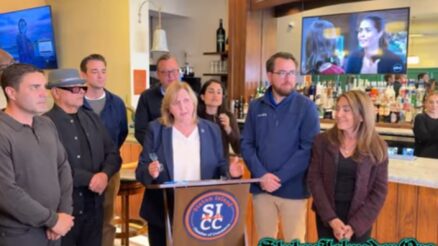

NYC Mayor Zohran Mamdani
Zohran Mamdani was sworn in as Mayor of the City of New York on January 1st, 2026. Prior to becoming Mayor, he represented the 36th New York State Assembly District and its neighborhoods of Astoria, Ditmars-Steinway, and Astoria Heights.
There are no comments yet
Why not be the first