
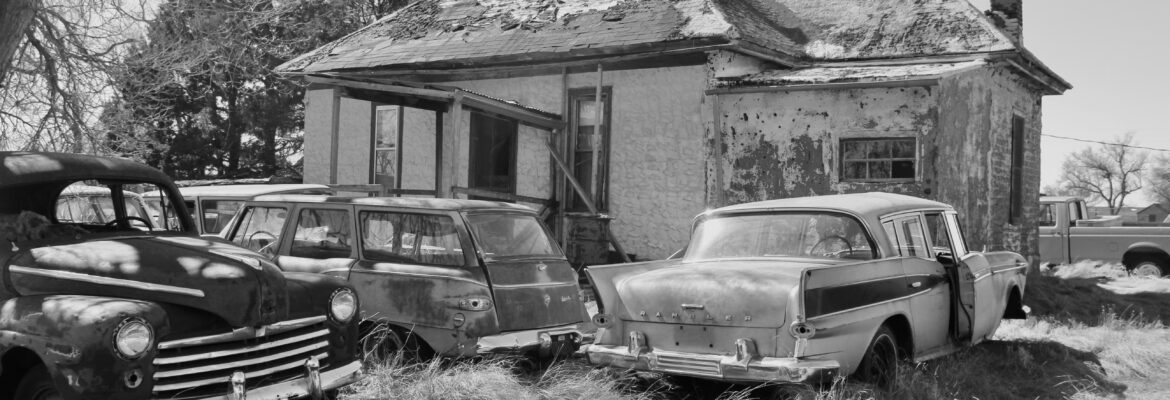
Ghost (Car) Busters, FY24 Mayor’s Management Report, Visits Officer Shot In 73rd Pct., NYC’s 3rd Issuance Of Social Bonds, Investments To Support Affordable Housing,
This week’s events by Mayor Adams include announcing the third issuance of Social Bonds to support affordable housing, Ghosts Busters (for ghost cars), The FY24 Mayor’s Management Report, and the mayor’s visit to an officer shot in the 73rd Precinct.
Editor’s note: Readers may remember that the mayor announced that many New Yorkers were connected with services that can help them build generational wealth with accessory homes, along with parks investments. The Mayor also announced the approval by the City Council of his plan to create 7,000 new homes and 10,000 permanent jobs in the Bronx, along with expansion of the EITC.
MAYOR ADAMS, COMPTROLLER LANDER ANNOUNCE NEW YORK CITY’S THIRD ISSUANCE OF SOCIAL BONDS, INVESTMENTS THAT SUPPORT AFFORDABLE HOUSING
Proceeds Will Help Finance Development of Over 4,300 Affordable Housing Units
Upcoming Sale Follows Another Record-Breaking Year for Producing and Connecting New Yorkers to New, Affordable Homes
NEW YORK – New York City Mayor Eric Adams and New York City Comptroller Brad Lander today announced New York City’s plans to issue approximately $820 million of taxable, fixed rate “General Obligation Social Bonds” in October 2024. Selling bonds to investors generates funds that the city uses to build and maintain its world-class infrastructure. Proceeds from the sale of these social bonds will support the construction and development of over 4,300 more affordable housing units in New York City and continue to build on the administration’s efforts to build more homes across the five boroughs, through efforts such as, the ‘City of Yes for Housing Opportunity’ proposal.
“Our administration is committed to making New York City a safer, more affordable city,” said Mayor Adams. “With a historically low vacancy rate and more people feeling the squeeze of market pressures, we must say ‘yes’ to using every tool in our toolbox to build more affordable housing across New York City. Social bonds are a smart and effective way to achieve our housing goals and give investors a critical opportunity to partner with the city so that we can become a more affordable city.”
“Social bonds have been an important tool to support the reimbursement of crucial affordable housing projects throughout the five boroughs and are a creative way for New York City to tap into the growing investor demand for socially sustainable investments,” said Comptroller Lander. “I am thrilled that we are able to continue this successful initiative now for the third year and remain focused on implementing strategies that preserve one of our greatest assets — genuinely affordable housing.”
This will be the city’s historic third issuance of social bonds — all of which occurred since 2022, when Mayor Adams and Comptroller Lander took office. Issuing social bonds is a creative strategy that enables the city to take advantage of the demand for investment opportunities while addressing policy objectives, such as making the city more affordable. The first two social bond issuances totaled $1.1 billion and helped to finance nearly 7,800 affordable housing units. S&P Global Ratings provided an independent opinion for each of the three transactions, affirming that the bonds are aligned with the International Capital Markets Association’s Social Bond Principles, which support the financing of projects — like affordable housing — that seek to achieve positive social outcomes.
This bond offering comes after another record-breaking year for the production of affordable housing in New York City, and follows passage of the Fiscal Year 2025 Adopted Budget wherein Mayor Adams and the City Council agreed to invest an additional $2 billion in the capital budgets of the New York City Department of Housing Preservation and Development (HPD) and the New York City Housing Authority — bringing the city’s investment in affordable housing to a record level of $26 billion over the current 10-year plan. The Adams administration has pledged to use every possible tool to deliver more affordable housing for New Yorkers, with a bold “moonshot” goal of building 500,000 new homes by 2032.
Net proceeds from the upcoming sale of social bonds will be used to reimburse prior spending by the city under HPD’s Extremely Low-and Low-Income Affordability (ELLA) program, Senior Affordable Rental Apartments (SARA) program, and Supportive Housing Loan Program (SHLP). The projects being financed are expected to provide an estimated 2,008 units under the ELLA program, 744 units under the SARA program, and 1,597 units under the SHLP program. Over 80 percent of newly constructed units being financed are for households earning 60 percent of area median income (equal to $93,180 for a family of four) or below. Additionally, 1,713 of the total units — nearly 40 percent — will provide housing for individuals and families formerly experiencing homelessness.
In addition to the social bonds, the city also intends to sell approximately $680 million of non-labeled taxable fixed-rate bonds to finance capital projects.
Subject to market conditions, pricing for both the social bonds and non-labeled bonds will take place on Wednesday, October 9, 2024, via negotiated sale through an underwriting syndicate led by joint senior managers BofA Securities and Blaylock Van, with J.P. Morgan, Jefferies, Loop Capital Markets, Ramirez & Co., Inc., RBC Capital Markets, Siebert Williams Shank, and Wells Fargo Securities serving as co-senior managers.
TRANSCRIPT: MAYOR ADAMS VISITS NYPD OFFICER SHOT IN 73RD PRECINCT AND BRIEFS MEDIA WITH INTERIM NYPD COMMISSIONER DONLON
Mayor Eric Adams: First of all, thank God our officers are okay and clearly they averted an even greater tragedy with a person with over 20 arrests, a real career criminal. We have four people that were shot and we’re able to have a real account of what’s actually occurred due to what I believe is the partnership with the MTA and the Police Department.
There were a number of cameras not only on the train but on the platform, as well as the body-worn cameras of our officers. So I’m joined here with the head of the MTA, Janno Lieber, as well as the police commissioner and the chief of department and our entire team. We’ll give you an account of what took place on the transit system. So I’m going to turn it over to Janno Lieber.
Janno Lieber, Chair and CEO, Metropolitan Transportation Authority: Thank you, mayor. Many times [when] there’s violence, especially shots fired on a train, it breaks New Yorkers’ hearts because we know this is a special place.
This is the way that New Yorkers get around to live their lives and we must make it safe. And a day like today really is a, you know, puts a hole in New York’s heart. I’m especially concerned about bystanders. People are just trying to get where they’re going, being the victims of harm in this situation. But let’s not forget why this started. It started because somebody wanted to come to the transit system with a weapon. Somebody who, as the mayor said, had a history of crime and a history of violence and even gun charges, I’m told.

So we bless the officers and the mayor and the police and the NYPD who every day put people out there to make sure the people who get on the transit system do not have to encounter people with weapons. In this case, that’s what those officers were doing. They were trying to prevent somebody who had a weapon from getting on the train and terrible things occurred because he resisted apparently.
So I just want to say that this is, it’s important for us at this moment to remember that the work of the NYPD, under the mayor’s leadership, with the support from the governor, the reason that we have cameras inside this train is because the governor decided she wanted to make that a priority. And we have cameras on the platform, cameras in the mezzanine, so there will be no question of what took place.
And even at these terrible moments, I have to remind New Yorkers that because of the work that we’ve all been doing under this team’s leadership, crime is down in the subway. Down versus 2023 and down 10 percent versus pre-pandemic. So we will, under, with this great teamwork, we will continue to fight back to make sure that New Yorkers can use the transit system and feel safe as they should. This is a sacred place and no one should fear violence. I just want to put a word out to say that there is a new police commissioner who I’ve known for many years and I’m excited to work with, but the team that is pushing back against transit crime remains intact in there. Thank you for your leadership.
Interim Police Commissioner Thomas Donlon: Thank you, sir. Police Commissioner Thomas Donlan. It’s unfortunate that I’m here, meeting many of you under these circumstances, but in my 30 years of law enforcement, I’ve learned that policing is a very, very difficult job. First, I want to thank the doctors. My staff at Brookdale Hospital, feel grateful for them, and the great work that they do.
I also want to thank the men and women of the New York City Police Department who put their lives on the line every day, 24-7. As I said, this is a dangerous job and today was another reminder of that. A few moments ago, I spoke with all four of [Mrs. May’s] family. She’s in good spirits and is expected to make a full recovery.
We will be working through the timeline of today, but make no mistake, the events that occurred on the Sutter Avenue station platform are the results of an armed perpetrator who was confronted by our officers doing the job we asked them to do. There will be a full and thorough investigation conducted into this incident, as we always do in cases like this. But right now, we are grateful that our officer will be okay. Now the chief of department, Jeff Maddrey.
Jeffrey Maddrey, Chief of Department, Police Department: Thank you, Commissioner Donlon. First, I just want to let everyone know that this incident is only a few hours old. The details that I will provide are subject to change, but I did have an opportunity to review body-worn camera and other cameras there, and I’m going to give you the facts that I know right now.
At about 3:04 p.m., you had two police officers who were assigned to the 73rd Precinct, doing duty on the L line, which is an elevated train line at the corner of Van Sinderen and Sutter Avenue in the confines of the 73rd Precinct. These officers were assigned to the 73rd Precinct, but they were in the trains, which has been part of our strategy all year to help reduce crime and increase quality of life in train stations. The two officers are standing there. They observe a male walk in. They observe the male stand by the gate for a few moments. It was a very short time, and he walks in the gate without paying the fare. The officers immediately follow him. It’s three flights up to the platform of the elevated train line. The officers are asking him to stop. The male is refusing to stop. At a certain point on the platform, the male mutters the words, you know, I’m going to kill you if you don’t stop following.
The officers are able to catch up to him. The male turns around. He confronts the officers. The officers are asking him to take his hands out of his pockets. They become aware that he has a knife in his pocket. They give numerous commands. The male basically challenges the officers, no, you’re going to have to shoot me.
As they’re standing there, a train, a northbound train pulls into the station. One of the car doors open. The male jumps onto the car doors. The officers are able to get onto the train with him, and they’re trying again, there again, giving commands for him to put his hands down and to, you know, come with them. One officer deploys his taser. The taser was ineffective. The second officer deploys his taser. The taser is ineffective. The male jumps back off of the train onto the platform, and at one point he’s advancing on one of the officers with his knife. The officer stands back. He draws his weapon, and then both officers at this point fire. They fire multiple rounds, and the male goes down. They’re able to handcuff him and subdue him.
While they’re subduing him, one of the officers realized that he’s hit as well. The officer who was hit didn’t stop. He continued to do his duty. He helped his partner put the man in handcuffs. They searched him, and when they saw where the man was wounded, they started performing life-saving measures by applying pressure to his wound while this officer is also bleeding from his chest area. While they’re working on the male, they become aware that other people are hit by gunfire as well. Additional officers arrive to the scene. They’re able to give aid to the police officer who was hit. They’re able to give aid to the male who was hit, and then they get able to give aid to two more civilians, another male and another female, who were both struck by gunfire.
Everyone was removed to the hospital. Our two officers are here at Brookdale. The three other people were moved to other local area hospitals where they’re being treated for their wounds and injuries. This incident will be investigated further by our detective squad and our force investigation division. As I said, we thank the hospital for all their great work, and the men and women of this Police Department for doing what we asked them to do, to go out there and make our trains safer. And unfortunately, they ran into somebody who has a significant arrest history, someone who has a history of mental illness, and he decided that he was not gonna, you know, go nicely with the officers, and officers were put in a very difficult situation to save themselves. At this time, I’ll turn it over to our PBA president who will give a few remarks.
Patrick Hendry, President, Police Benevolent Association: We’re truly grateful that our brother police officer is on the road to recovery, thanks to the nurses and the doctors in this hospital. We’re praying for the civilians who were injured in this incident. But our police officers are out every day, whether it’s on patrol, whether it’s on the subway, whether it’s patrolling the streets. This is the dangerous environment all police officers are up against.
A dangerous career criminal out on the streets, a dangerous career criminal who is carrying a weapon, a dangerous career criminal who didn’t comply with police officers’ orders, who wasn’t afraid to stab New York City police officers. The question needs to be answered. Why was this dangerous individual who was arrested numerous amounts of times, why was he out in the streets of the City of New York?
We’ve been, as police officers and the PBA, been out in courtrooms across this city, courthouses, demanding change in our criminal justice system. We cannot do this alone. We need help from everyone involved in the criminal justice system. We need New Yorkers to finally demand change. This chaotic situation happened because of this career criminal. Demand change, New Yorkers. We cannot do this alone, but I’ll tell you this, we’re going to continue to be at courthouse to courthouse, courtroom to courtroom, and we’ll bring the cameras and we’ll continue to demand change in our criminal justice system.
Deputy Commissioner Tarik Sheppard, Public Information, Police Department: All right, so we’re going to take a few questions. Obviously, like the chief just said, this is fresh, subject to change. However, we’ll take a few brief questions.
Question: Would you characterize this as a case of friendly fire [inaudible] ricochet inside the train?
Chief Maddrey: I don’t like to use that term friendly fire, but absolutely, we believe at this time that our officers were the only ones who discharged weapons at this time. I don’t know if that’ll change. So everyone that was struck this afternoon, we believe was by our officers.
Question: Those victims, can you talk to us about their status, how they’re doing as far as the officers as well?
Chief Maddrey: Absolutely. Well, first and foremost, I want each of those victims, everyone to know that they have my prayers, their family has my prayers. I’ve seen too many gun violence, too much gun violence in my time and with my time in the Police Department.
So our officer was hit in the chest area, right under the armpit, and missed his vest. And actually, he was hit, we don’t know yet, we’re still investigating, but he was hit multiple times, maybe by shrapnel as well, in the lower extremities as well as the face. But he has an entrance wound right under the left armpit, and a bullet lodged somewhere in his back.
Our perpetrator in this was hit numerous times in the body and in the abdomen area. One of the victims who was on the train was struck in the head, and another male victim, and the female victim was grazed. She’s not [inaudible.]
Question: Could the new interim police commissioner answer a question? The question was about, within the past three days, the tasers haven’t worked twice. There have been two police news conferences since he took over. Is this something he’s going to look into, tasers? I mean, the point of a taser is to stop so we don’t get to this moment.
Deputy Commissioner Sheppard: We have our elected police commissioner, but obviously we have our force investigation division that looks into every police-involved shooting. So we go to a thorough investigation on every police-involved shooting, and that’s our force investigation division.
Question: Okay, I could ask him another question. How does it feel? Is that okay? This is your first news conference as interim police commissioner. How did it feel?
Interim Commissioner Donlon: It feels fantastic. I’ve worked for law enforcement for many, many years. I’ve worked with the NYPD, the Joint Terrorism Task Force. I’ve had a great relationship throughout the years, along with Mayor Adams here.
When I first met Mayor Adams, he was one of the few individuals that used to come to me and discuss terrorism and I reacted directly to those concerns as a constituent, and that’s why I have a tremendous respect for the mayor and what he’s done throughout the years. Thank you.
TRANSCRIPT: FY24 MAYOR’S MANAGEMENT REPORT: ADAMS ADMINISTRATION HAS DRIVEN MAJOR IMPROVEMENTS IN SAFETY, AFFORDABILITY
Mayor Eric Adams: This is probably one of the highlights of doing this work. When you hear of Shaniqua’s story, it really personifies what this team has been doing. No matter what is going on in the city, we have one mission. And that’s the mission of making sure that the city is livable, affordable, and safe for everyday working class people.
The city deserves to be clean, our streets deserve to be clean, housing should be built, and we should ensure that people can see a future. And I think that although we talk about the MMR report, oftentimes we don’t go into the crevices on how it impacts everyday people. And some of the things, the D.M.’s, the deputy mayors, and our entire team of what they have been putting in place so that New Yorkers can see a future. And they deserve every service that their tax dollars pay for.
There’s a symbiotic relationship between your tax dollars and the delivery of services. And far too often, we have betrayed everyday New Yorkers on receiving what their tax dollars are paying for. So this administration was voted into office with a clear message and a single mission of delivering these services for New Yorkers. But don’t take my word for it, look at the MMR report.
I think we have over 2,000 different indicators, so you always find one or two that we’re not where we want to be, but we’re moving forward. But we’re very clear on those big issues that are important. We want to make sure that we highlight them, and we want to make sure that we’re able to put it before. Where’s my copy of my MMR? Do we have a copy somewhere?
But it’s imperative that today, we’re releasing the annual Mayor’s Management Report. It’s our city’s report card. And it details just how much progress we have made over the last fiscal year. From driving down crime, which is the prerequisite to our prosperity, I say over and over again, to getting dangerous guns and illegal mopeds off our streets. Building new schools and record amounts of affordable housing. And all while putting billions of dollars, billions of dollars back into the pockets of everyday working class New Yorker.
Our economy has never been more robust. When you look at the number of jobs we’ve brought online, and small businesses that are operating, you hear me talk about it over and over again. Our record job numbers and falling crimes, they have become a trademark of this administration. And the era of employment and safety is something we want to be remembered for, and the opportunities we’re giving to everyday New Yorkers.
I just want to highlight just a few of the impressive metrics right now, especially when it comes to our core mission for New Yorkers. Overall crime rates have fallen over the last fiscal year, driven by another year of double digit decreases in murders and shootings. Our police officers are working harder than ever to keep New Yorkers safe. More felony crime arrests, more quality of life summonses, and more transit enforcement. Since that first bump in January of increase in subway crime, we have witnessed a steady decrease in our subway system and subway crime. Even with some of the high profile cases that we witnessed yesterday on the transit system, with a very dangerous person who was arrested over 20 times in the past.
In the last fiscal year, we got the opportunity to shut down illegal smoke shops under Operation Padlock to Protect. Very important enforcement power we received, over 1,000 smoke shops we’ve closed. We also have gone after one of the most troubling aspects of quality of life. We hear it every time, those mopeds and illegal scooters. Over 20,000 of them have been removed off our streets, and we’re going to continue to stay focused on getting them off our streets because of the danger that they present.
Public safety is margin, just what we do with police officers and what they’re doing. It’s also about protecting everyday New Yorkers. And that’s why we installed 27 percent more protected bike lanes, and 94 percent more speed reducers. And we’re seeing positive results already with fewer traffic fatalities for pedestrians and traditional bicyclists over the last year.
We’re keeping our cities safer and cleaner too. The Sanitation Department under Commissioner Tisch diverted nearly 130 tons of organic waste from landfills. A 23 percent increase from last year that has made New York City as the nation’s largest organic waste program. And over the last year, we have cleared catch basins 24 percent faster. That’s going to be shown in the MMR report. We doubled the rate of lead abatement at NYCHA properties and planted 42,000 trees, the most since 2017. And we want to do this to not only beautify the neighborhoods, but it’s great for our environment as well.
And something that we’re really proud of, and it’s something that Shaniqua is going to talk about, unemployment. Unemployment is down by 8 percent from the previous year. Reaching a low rate of 4.8 percent with significantly improved rates of Black and Latino unemployment, something we saw. Almost a 30 percent decrease we’ve witnessed thus far, but it was a real focus for us to get people back into the job market.
Our city is also putting money back in your pockets. With 25 percent more families signed up for subsidized child care, 19 percent more young people who live in NYCHA housing connecting with jobs. There was a direct correlation of unemployment, we believe, and some of the criminal behavior that we were witnessing. We knew if we give people jobs, we give them opportunities. And 20 percent more New Yorkers without insurance enrolled to receive low cost or no cost health service through NYC Care.
We’re building more, something that Deputy Mayor Maria Torres-Springer talks about all the time. We more than double the number of affordable units we build and preserve for seniors and help more New Yorkers in shelter get into permanent housing. This is just a small sample of what we have done. We have more to do, we know that, but we’re moving in the right direction. And we want New Yorkers to go online and look at this MMR report and see the work that we’re doing.
You could access the dynamic Mayor’s Management Report with our administration launch. In 2022, many of the advocates was calling on us to do this. We did it. We got it done. And we want to thank Dan and his team over at Operation[s], as well as thank Chief Technology Officer Matt for his team making this happen. So our city’s moving in the right direction. We’re going to continue to do so. The goal is stay focused, no distractions, and grind for New Yorkers. And that is what we’re going to continue to do.
I’m just really proud of turning the microphone over right now to a New Yorker. A New Yorker that understands what it is to have a vision of opportunity. And she has become a major cheerleader and an advocate for our program to get New Yorkers in our job fairs. Of going into the community, finding those who have been unemployed and wanted stability and was able to accomplish that. And so, thank you for being here. I’m going to turn the microphone over to you.
Shaniqua Rumph: Thank you, Mayor Adams. It is such an honor to be here. My name is Shaniqua Rumph, and I am a proud lifelong New Yorker, native of Brooklyn, and current resident of Manhattan’s West Side. As a devoted mother of four, navigating the challenges of raising a family in New York City with one child on the autism spectrum has been both rewarding and demanding.
I want to extend my heartfelt gratitude for the recent New York City Hiring Hall event that took place in Brownsville, Brooklyn earlier this year. It has truly been an honor to be a part of such an evolving opportunity. About a year ago, in my quest to seek new employment opportunities to better support my family, I came across the Jobs New York City Hiring Hall event through Eventbrite. Mayor Adams, host of the event, and the inspiring words you shared with the attendees motivated me to explore new possibilities.
Having worked in various professions throughout my career, I was drawn to the stability and growth potential that a career in city government could offer. My interactions with the New York City Department of Transportation’s team during the hiring hall event left a lasting impression on me. And I knew that this was where I wanted to build my future. After a successful interview process and seamless onboarding experience, I am now proudly serving as an apprentice street inspector with DOT’s Highway Inspection and Quality Assurance— HIQA unit.
Under the esteemed leadership of Commissioner Ydanis Rodríguez, the DOT has been instrumental in supporting and improving the lives of New Yorkers on a daily basis. Since joining DOT in June, I have been undergoing rigorous training, and I am grateful for the opportunities for professional growth and development that lie ahead. My goal is to contribute to the agency and eventually retire as a dedicated member of the DOT family.
The day I attended the Jobs New York City Hiring Hall in March was truly life changing for me. I walked in as an unemployed individual and left with a promising career. It is a testament to the resources and support that the city provides for its residents to enhance their lives and create a brighter future for their families.
Once again, I would like to express my sincerest thank you to you, Mayor Adams, and your team for making Jobs New York City available to New Yorkers like myself. Your commitment to empowering individuals and fostering opportunities for professional and personal advancement is truly commendable and deeply appreciated. Thank you for your dedication to the people of the New York City and for creating pathways of success for individuals from diverse backgrounds. I am grateful for the chance to be a part of this transformative journey. I walked into a hiring hall unemployed and I left out with a career. Again, I thank you.
Mayor Adams: The, you know, being mayor, you often hear me talk about my journal and my journal entries that I make every night. And when you go through those troubling times, I read through these stories. People I meet on the subway, people I meet in schools, people I meet who moved into their new housing. And it reminds us, it reminds those who are behind me, why we do this work. Why we do this work.
And so we took an unstable parent employment wise and stabilized her with that she’s able to take care of her children and even that lovely child that’s on the autism spectrum. We have her, she’s going to have health insurance, a pension. She’s going to have all the stable things that it takes to raise healthy children and families. And we hear these stories often, over and over again. And we knew we had to go into the communities just on this specific aspect. Go into the communities and do hiring halls. People should not have to come down to City Hall. We need to go into their communities and do hiring halls.
And so all of these successful, successful actions that we have done during this administration. This is why we do the work we do. So why don’t we open to a few questions on topic, then I’ll take a few off topics because I haven’t seen you guys. You know, and start off the first questions, just start off and say Eric, it’s good to see you back from COVID. You know, say something nice, okay?
Question: I’ll ask an on topic, have you addressed some of the concerns about processing food stamps and getting benefits to low income New Yorkers?
Deputy Mayor Anne Williams Isom, Health and Human Services: Yeah, we’re not where we want to be, but we have improved in both of our cash applications. And it’s still, the applications that we’re getting in are still pretty historically high. And we’re also doing better in our SNAP applications, too. So much improved. We will definitely, I don’t think— we will definitely make more progress.
Question: Mr. Mayor, neither I nor any of my colleagues remember you ever having a press conference on this issue. And, you know, while we recognize the report’s importance to New Yorkers, we’re wondering if this press conference and this, if this is at all an attempt to distract from all the scandals and resignations that have involved your administration.
Mayor Adams: Well, first of all, you can’t distract, because remember the motto. Stay focused, no distractions, and grind. No, we are proud of what we have done. You guys write about the MMR often. You look through the over 2,000 pieces, and sometimes people will take one or two. And I told the team, we have to write our own narrative. Because if we don’t show the success and we don’t have a person who has benefited from what we’re doing, it just doesn’t seem to get covered. And so we won’t, don’t want to distract. We want to have folks pay attention of how successful this administration has been.
Questions: So is it intentional to focus on this narrative amid everything that’s going on?
Mayor Adams: No, it’s my intention to focus on this narrative so I can write my story. Oftentimes, history is someone else writing your story. I want to write my own story. And this story is how great we have done this administration around housing, around public safety, around employment, around some of the other key indicators that are in the report. What’s happening?
Question: Just skimming through the reports so far. I notice that Deputy Mayor Phil Banks isn’t here. But the response time for the FDNY and the NYPD have gone up again. What is your administration doing to address those concerns?
Assistant Deputy Mayor Chauncey Parker, Public Safety: Chauncey Parker, assistant deputy mayor for Public Safety. So for the Fire Department, there’s three initiatives in particular that we’re working on to relentlessly push to lower those response times.
One is there’s a hospital liaison officer program where in each of the hospitals there’s a pilot project in five hospitals. So when the EMTs come to the hospital, the EMTs can drop off the patient with a smooth handoff to an EMT team that’s located in those hospitals. And then they can get back onto the street. It normally takes 45 minutes. So we’re very hopeful that that’s going to help reduce the response time and get these EMTs back on the street.
Second of the mayor’s initiatives is to create paramedic response units. So as you know, the paramedics are for the highest degree of emergency and care. And oftentimes when they come to a crisis, they may not be at that level. But they’re still the ones who could transport the patient to the hospital. And that redirects the paramedics to other really high-level jobs. So these paramedics are going to be coming with the EMTs. And if it is a lower-level response, then the EMTs can take the patient to the hospital. And that will relieve the paramedics to go to high-level calls for service, which will also save time.
Then a third initiative to try to reduce these response times is using the principles of telehealth. With the consent of the patient, people can call 911. And their request may be, I’ve run out of my prescription for insulin. I need to get the prescription filled. And that may be a 911 EMT call. And with the consent of the patient, they can be instead, instead of it being an EMS response, it can be a response where we can connect that patient with a doctor through H&H. And that doctor can do the prescribing and do the care through telehealth, which we do in many other circumstances.
So those are three of the mayor’s initiatives to relentlessly push to reduce these response times.
Question: And when did those initiatives start?
Assistant Deputy Mayor Parker: The hospital liaison officers started over the summer in a couple of hospitals as a pilot project. And the paramedic response units will be in the next month.
Question: [Inaudible.]
Assistant Deputy Mayor Parker: The NYPD, this is something that the NYPD is working on, constantly pushes it. It’s part of everything that the NYPD does through CompStat, maybe probably the most accountable agency in the world, the NYPD. It’s focusing, again, relentlessly on how to do better at protecting and serving people. So that’s all part of, by relentlessly following up and using creative, imaginative, evidence-based strategies, they’re going to drive that number down.
Question: We reported that more than 1,100 young people were turned away from DYCD funded shelters in the first six months of this year, compared to the same time period last year, which was nine people. I don’t know if maybe Deputy Mayor Anne Williams-Isom or Almanzar wants to comment on this uptick. And I know some critics have said that the funding has remained stagnant for DYCD shelters. Do you think there should be more beds added or more funding added to facilitate for runaway homeless youth? And I know in this case, it’s a lot of asylum seekers.
Deputy Mayor Ana Almanzar, Strategic Initiatives: Thank you, Katie. And the question that you bring up refers to that number that we saw, and the increase was predominantly in the first four months of the year, in that it goes concurrently with the increase of migrants that we saw coming to New York City from January all the way to May. The number has decreased since then.
We have about 95 percent or so occupancy rate on those beds throughout the entire system. And we work with every single one of those young people to make sure they find beds throughout the system, through the DHS system. Most of those were men between the ages of 18 and 24, and we work with them through all the nonprofits that we partner with to make sure they find the beds that they need.
Question: Can you guarantee that all of the people who were turned away from DYCD shelters, did you know, did they all end up in DHS or DSS shelters, or were some people sleeping on the street? I know the mayor often says that people don’t sleep on the street.
Deputy Mayor Almanzar: And just to clarify, the 1,100 number that you’re quoting is 1,100 contacts, not individual persons that came through the system. Most of them had multiple contact with us throughout the month. So we do work with them, with every single one of them, to find them a location where they can spend the night.
And just to your question, and you spoke about how we’re working to make this more permanent, DYCD and the other agencies work together to find permanent housing for about 545 young people this year alone. And we continue to work to find them other services so they can have permanent housing. Thank you, Katie.
Question: Good to see you, Mr. Mayor.
Mayor Adams: Thank you.
Question: Ten months ago, we were all in that room and you told us that your administration never had a D.M.O. list, we know nothing about a D.M.O. list. This morning, two FDNY officials were indicted by federal prosecutors. They talked about this list. They say it was pretty well known in City Hall.
Do you stand by that, that you never knew about a D.M.O. list? And then, second, just to add, what do you say to New York at this point? We’ve seen all of these scandals and are starting to feel like there’s widespread corruption in this administration.
Mayor Adams: Well, okay, let’s first go to the D.M.O. list, and I’m going to have this list that you’re talking about. I’m going to have Deputy Mayor Meera Joshi communicate. And if you looked at the wording of that indictment, these allegations, these actions started in 2021. And from what I read, and it was a brief reading, that they stated that that was the terminology that the FDNY used.
We stated it then, and we’re going to state it again, that this administration did not have a list named like that. And we made that clear, and we stand by that. And so when you ask the question about what are you saying to New Yorkers, that is the purpose we’re doing this. As the question was asked, why are we doing this? We want New Yorkers to know that this administration is working hard for them, and we’re producing real results. And when things happen to an administration, the real question is, do you have the ability to stay focused and provide the services that the city is expecting? And that’s what we’re doing every day.
Question: How are you doing, Mr. Mayor?
Mayor Adams: Good.
Question: How are you feeling?
Mayor Adams: Good, good. Excellent.
Question: So I guess the question is this. Two Italian chiefs from the Fire Department were indicted on charges of accepting $190,000 worth of bribes to expedite building inspections. I wonder if this is the kind of case that undermines the public’s confidence in your administration and is the kind of thing that maybe led to this kind of press conference?
Mayor Adams: Well, it didn’t lead to this type of press conference. We had the press conference to show the work we’re doing. But let’s go back again, Marcia, because I think that what happens when action is taken during administration, people rarely look and see when the action initiated.
The action initiated under another administration, and I think sometimes we skip over that. These investigations often take a while to actualize, and when they take a while to actualize, we identify with the administration that’s in office. But this action initiated under a previous administration.
Question: But you’re saying that these people have nothing to do with your administration, even though they were doing this during the time that you were mayor? And then, I mean, it would seem people are going to blame your administration because this was going on while you were mayor.
Mayor Adams: That started under the previous administration. Let’s do that first, okay? We acknowledge that. Second, when the fire commissioner, Laura Kavanaugh, became aware of it, she self-reported it. That’s what administrations are supposed to do. She self-reported it to the Department of Investigation.
Question: [Inaudible.]
Mayor Adams: DOI do what they do. I don’t know their procedures for doing so. I allow them to feel free to carry out their action.
Question: [Inaudible] your administration discovered it, reported it, and shouldn’t be blamed for it?
Mayor Adams: No, that’s not what I’m saying at all. I’m saying the people who did the action should be blamed for it. Started under the previous administration. Our administration became aware of it. They took the proper steps and reported the action. DOI conducted their actions when they became aware of it. That is the way the system is supposed to work.
Question: Hi mayor, welcome back.
Mayor Adams: Thank you.
Question: I need to get my booster myself. I wanted to ask about Chief Counsel Zornberg’s resignation. Did she advise you to begin clearing house or at least take a closer look at people around you? And as we continue to go through this with numerous federal investigations, are you looking to clear house to protect yourself?
Mayor Adams: First and foremost, you guys have heard me say it over and over again. I do not go into private conversations. Little did I know that when Lisa came on board, not only is her professionalism, but that we were going to develop such a friendship that we did. I like Lisa a lot, and she’s made it clear that, Eric, I’m here, that even that I’m not with the administration, feel free to reach out to me, communicate with me.
She has been a great advisor. There are many things she advised us on, and we moved on. But I’m not going to go into the private conversations that the two of us have. I like Lisa a lot, and I’m pretty sure if you were to ask her, she’d say the same thing.
Question: And then to you, sir, are you looking to clear house to protect yourself with these numerous federal investigations?
Mayor Adams: I’m looking to continue to do this, and that’s produce for New Yorkers. And I think that those, when I communicated with previous mayors, they all stated that, Eric, there’s going to be moments that you can be distracted from doing this job. This is a big city, and there’s so many things that happen. Things that happened in previous administrations materialize in your administration. But can you maintain the focus to continue to move the ball down the field? And that is what this administration has been successful in doing.
Question: Hi, Mr. Mayor. How are you?
Mayor Adams: Good. How are you?
Question: I’m doing well. I wanted to ask you just for clarification. So there was a priority list that existed for inspections when it came to the FDNY, and your administration was aware of it and following that policy? Or they became aware of it and stopped following that policy?
Mayor Adams: You want to speak on that? D.M. Meera Joshi.
Deputy Mayor Meera Joshi, Operations: Sure. I just want to clarify, and I think I said this at an off topic quite many, many months ago. There is not a D.M.O. list. And there is a system that was set up by this administration to systemically address what had been a longstanding backlog. It’s encompassed in a report called Get Stuff Built. It’s 111 recommendations about agencies working closely together to make sure both New Yorkers and the agencies who themselves are subject to plan review are able to work through their projects quickly.
Question: You talked earlier, mayor, about taxpayers being betrayed when it comes to efficiencies in the city in regards to the MMR list. I’m wondering, at this moment with these two former chiefs, what they did was kind of betray taxpayers by putting certain projects over the public’s projects. What’s your response to that? How does that work? They weren’t fulfilling the duties of helping everyday New Yorkers.
Mayor Adams: Well, what I think D.M. Meera Joshi said is very important with the Get Stuff Built list, Get Stuff Built report that we put out. When I was on the campaign trail visiting businesses and others, there are some very clear concerns about the bureaucracy of government.
I sat down with D.M. Meera Joshi, and I sat down with Deputy Mayor Maria Torres-Springer to say all of our agencies, we need to get out of the way that’s preventing government and businesses to move forward. If anyone abused those actions, they should be held accountable. And I think the full investigation is going to determine if someone abused that. But we have never been apologetic or not transparent about our desire to see government move more efficiently and stop getting in the way of the growth.
That is how we got the highest number of jobs in the city and the largest number of small businesses. We went in to say, hey, how is government getting in the way for those who want to provide businesses to the city? And if someone’s abused that, they would have to be held accountable.
Question: Good morning, sir. Nice to see you back.
Mayor Adams: Thank you.
Question: You’re doing well, that’s great. On the topic of Ms. Zornberg, did you try to talk her out of it, first of all? And second, are you concerned about the optics of that? Not just the practical impact, I mean, without a counsel, but the optics of that, how that looks at such a critical time.
Mayor Adams: You know, I don’t get into optics. You know, because if you get into optics, you’re going to not do what’s factual. And the depth of the conversations I had with Lisa, again, you know, if you guys heard me say this over and over again, I don’t go into private conversations. That’s why people are really comfortable with having very candid conversations with me, because they know what they share with me is never repeated.
And this team that’s behind me and beside me, they know they can walk in my office, they can call me up, and they can engage in any type of critique or conversation, and they know they never hear it again. I’m just a strong believer when people speak with you, you should not share those conversations. And I’m not going to do that.
Question: [Inaudible.]
Mayor Adams: Listen, I adore Lisa. I thought that she was funny, she was energetic. You know, we’ve enjoyed each other’s company and talked about a slew of different topics. You know, people make decisions, and I respect the decisions that people make.
[Crosstalk.]
I’m going to take three more, then I got to bounce. Go ahead.
Question: Mr. Mayor, Ray Martin was fired from your administration following an NBC report showing that there might be maybe some corruption there. What exactly were the details? What did you guys find? And are you worried that he did have access to certain levels of information? Are you going to do an investigation?
Mayor Adams: DOI handles that, and I don’t interfere. If you were to speak with the DOI commissioner, she would tell you, Eric, do not interfere with any type of review. That’s a big belief that I have. This way, people can have faith in the process as it moves forward.
Question: So you’re not doing an [inaudible.]
Mayor Adams: DOI would do that, and they would come back and tell us the outcome of that.
Question: Did they launch an investigation right away after he was fired?
Mayor Adams: I’m sorry?
Question: Did they launch an investigation right away after he was fired?
Mayor Adams: I’m sure a review was put in place, and when we discovered what we appeared to be inappropriate, he was immediately terminated.
Question: Hi, Mayor.
Mayor Adams: How are you?
Question: I’m glad you’re feeling better.
Mayor Adams: Thank you.
Question: My understanding is that at least one member of the City Council is going to call for your resignation and that others might too follow. I know you said you haven’t been accused of any wrongdoing, but if you are, would you consider resigning?
Mayor Adams: Well, let’s be clear. I don’t think any of those members put me in office. The 700,000 or whatever number thousand, they voted me in office. And, you know, those who anytime anything happens in this city calls for me to leave, are we supposed to listen to them now? They call for me to leave over and over and over again, but these numbers are showing that I’m working on behalf of New Yorkers.
The goal for me, I was elected by the people of this city, and I’m going to fulfill my obligation to the people of this city so I can continue to do the great things that I’m doing. And so if I’m going to listen to those members, whomever they may be, that have critiqued this administration from the beginning. So why would they do anything different now? We’ll do one more. I got to bounce.
Question: There have been a few reports that Lisa Zornberg resigned because you rejected advice by top administration involved in corruption investigations. What’s your comment to that? And are you seeking a new counsel?
Mayor Adams: There’s one thing about city government. There’s a deep bench. There are some great folks who are in the counsel office and now my conversations with them. They’re dedicated public servants and they’re going to continue to do the work that they’re doing because, you know, there’s a calling to do this work.
You know, you’re not doing this work because you’re looking for fame and fortune. You’re doing it because you believe in the people that you’re helping every every day. And we have some talented people who are there. They’re going to continue to do the work. And, you know, even when mayors come and go, you know, there is a solid core group of people that make sure even in that transition period that the city continues to provide for for New Yorkers. And so we’re going to make sure that someone else becomes the chief counsel. But in the interim, I’m very comfortable with the people who are there that doing the day to day work. Okay folks, see you tomorrow.
TRANSCRIPT: GHOSTS BUSTERS: MAYOR ADAMS LAUNCHES NEW DSNY/NYPD GHOST CAR TASK FORCE TO REMOVE ILLEGAL CARS FROM NYC STREETS
Deputy Mayor Philip Banks III, Public Safety: Good morning, everyone. I’m Deputy Mayor Phil Banks, deputy mayor of Public Safety. I’m joined here today by the New York City Interim Police Commissioner Tom Donlon. Good morning. New York City Department of Sanitation Commissioner Jessica Tisch and the chief enforcement officer for Sanitation, Police Chief Ed Thompson.
We have the NYPD deputy chief of the Support Services Bureau, Marlon Laron, New York City Department of Transportation First Deputy Commissioner Margaret Forgione. We have Assemblymember Jenifer Rajkumar and the mayor of the City of New York, Mayor Eric Adams.
So we’re here to talk today about ghost cars. So real quick, what is a ghost car? By definition, it’s a car with license plates that are either fake, missing, faulted, obstructed, or fraudulent. But let’s examine what they really are. These are people who say the rules do not apply to me. They apply to you, but not to me. That I’m going to go out there and I’m going to commit my robberies, and I’m going to commit my crimes, and I’m not going to pay my tolls, and I’m going to speed, and I’m not going to stop at stop signs, and there’s nothing you can do about it. I am going to just put this pillage on the citizens of New York City, and there’s nothing that you can do.
They think that they can make any crime they choose without facing any consequences, and the Adams administration says, nope, not in our city. We’re done footing the bill. We’re done letting you disrupt our quality of life. Let’s be perfectly clear. There’s no legitimate reason for anyone to drive a ghost car. I mean, there’s some narcotics that are illegal, but there’s a legitimate reason, if they administer, but no reason at all to be driving one of these ghost cars.
That’s why we’re going to take every one of these untraceable cars off the streets, and when we take them off the streets, every time we take one off, we become a little bit safer. With that, I’d like to introduce the mayor of the City of New York, Mayor Eric Adams.
Mayor Eric Adams: Thanks so much, D.M. Banks. I remember you coming into the office, sharing with me this whole concept about ghost cars and what we were doing.
We needed a real partner to address not only the removal, but the storage and we found that in the ever-fighting presence of Commissioner Tisch, who has really focused on this issue at the level that we believe it ought to. And we’re going to need our partners in Albany, and that’s why Assemblywoman Rajkumar is so important, as we continue to put together a state plan as they move into session this year, of how do we crack down even more on these ghost cars.
And the deputy mayor gave a definition, but, you know, just a simple one. These cars are a pain in the ass. They want to do whatever they want to do, and not only do they address the issues of not paying tolls, but they also are very much part of the criminal element that we’re witnessing in this city, and that’s in contrast to our overall mission of keeping New Yorkers safe. I say it over and over again, the prerequisite to our prosperity is public safety. No one knows it better, and no one does it better than the NYPD, and with the partnership with the Department of Sanitation, we’re taking a real bite out of this issue, and these are becoming ghost car busters in the process.
These issues drive up crime. They are a major impact on criminal behavior as they move throughout the night, and they are undetected, often being extremely aggressive in their action, and we knew we needed a clear focus and concentration. That’s why we assigned 15 NYPD officers who are working with the Department of Sanitation’s crew under the leadership of Commissioner Tisch. We’re going after the unregistered, uninsured, and many times stolen vehicles that have been ignored for so many years. The previous years, these vehicles have been passed by. No one has really cramped down on them. The plates that are coming from other municipalities that are being sold through social media were basically ignored.
We focused on it at the toll booths when they were moving, but they were ignored in a stationary position. That is not happening anymore. These cars are going to see the level of enforcement that is required to go after the fake and paper plates, and in some bold manners, you saw no plates at all, no registration sticker on the windshield, no inspection sticker, not having car insurance, all the things that could be a nightmare if you are struck by one of these vehicles or you get into a vehicle accident.
They’ve been used to inflict not only hit and runs, but very serious crimes in our city, shootings, robberies, and other dangerous incidents that we are witnessing. So we’re not going to stand by. This was the clear initiative and the focus that the deputy mayor brought to my attention a few months ago and quickly got this up and operating. And what does it look like number-wise? In five nights, in five nights, we were able to remove over 295 ghost cars from our streets. In five nights.
The new approach builds on our successful abandoned vehicle task force model and will boost our ongoing efforts to combat ghost cars. And so earlier this year, you know, we joined the governor and other law enforcement entities in the tri-state area to go after those who are at our toll booth. And on Saturday, the task force completed its 41st major enforcement operation. In those operations, the task force made 490 arrests, issued 20,000 summonses, and took cars where the owners owed $21 million in unpaid tolls, taxes, fees, and more.
And so these vehicles are more than just a nuisance. They address our economic challenges, and they are feeders of some of the major crimes that we are seeing in our city. And this is our way of ensuring that we go after them when they’re moving through our toll booths, but also when they are in parks and communities where you’re seeing this high level of crime.
So I want to thank the interim police commissioner, Tom Donlon, Commissioner Tisch, and Deputy Mayor Banks for this 24-hour, seven-day-a-week operation of going after a major quality-of-life issue that we’ve been facing in the city. Thanks again, D.M.
Deputy Mayor Banks: And with that next, we will hear from the New York City Department of Sanitation Commissioner, Jessica Tisch.
Commissioner Jessica Tisch, Department of Sanitation: Thank you, [D.M.] Banks. Thank you, Mayor Adams. Ghost cars, as you’ve heard, come in many flavors.
The owners of these vehicles evade detection from law enforcement by operating with no plates, fake plates, plates not registered to a vehicle, or expired plates. They can be New York State plates, out-of-state plates, temporary or permanent. But what too many of them have in common is that time and again, these untraceable vehicles are involved in shootings, in homicides and robberies, and their drivers have been caught with firearms, leaving the scene of a crime.
Mayor Adams and Governor Hochul have previously established a task force that you just heard about, focused on catching these cars at bridges and tunnels, i.e. catching them in motion. But what about the rest of the time? What about where they’re sitting on your block, taking up public space without paying, sitting and waiting for the next time they’ll make our streets less safe? This is part and parcel of the new strategy we are announcing today, a joint NYPD/DSNY task force focused on getting these cars where they spend the vast majority of their time, where they’re parked.
Fifteen uniformed cops from the NYPD are now detailed to the Sanitation Department for the exclusive purpose of tagging and towing ghost cars parked in neighborhoods across the city, stopping them before the key goes into the ignition. Regular operations with a portion of the officers began last Tuesday, and in the first five days, as you’ve heard, the new ghost car task force took 295 of these vehicles off the streets from precincts like the 75, the 40, the 41 and the 42. And they aren’t hard to find. If you own one of these vehicles, you’re going to go to sleep, perhaps feeling smug about avoiding registration fees, but make no mistake about it. One day, quite soon, you’re going to wake up and you’re going to find that your ghost car is gone.
This task force is operating all hours of the day, seven days a week. NYPD officers will run your plate straight from their department issued phone. And if it’s invalid or if it doesn’t match the vehicle, it will be towed. We have set up an unprecedented interagency towing operation, including towing assets from DSNY, the NYPD’s Transportation Bureau and private road tow vendors. Given my background, I would be remiss to not mention the tech involved here. Things like the domain awareness system, NYPD smartphones and tablets in RMPs are fundamental to so many tailor made strategies designed to reduce crime and disorder. And now ghost cars are no exception.
So when we find and tow your ghost car, the vehicle will be held at a vendor’s lot. You’ll have seven days to show up with valid registration, title, and proof of insurance. If you manage to scrounge up all of the necessary paperwork, the paperwork you should have had, you’ll only be on the hook for a few hundred dollars worth of storage and towing fees. If you don’t get there in seven days, the car will be moved to an NYPD lot like this one. And the title holder, which may or may not be you, will be notified that they have 30 days to claim the vehicle. If no one claims it, your car will be auctioned off. You’re welcome to try to buy it back. And if no one purchases it, it comes to DSNY where we will happily destroy it.
We know the interagency approach works. The DSNY-NYPD Abandoned Vehicle Task Force focused on cars left on the streets indefinitely and removed almost 13,000 such vehicles last year, double the number the prior year before the task force was created. We looked at a problem that was affecting the safety and the well-being of New Yorkers and started from the expectation that there had to be a well-crafted solution. That’s what you have here. Thank you, Chief Banks. Thank you, Mayor Adams, for your leadership in bringing us together.
Deputy Mayor Banks: Thank you. And I’d just like to add that the chief of Patrol, John Chell, did a one-week pilot on ghosts, on plates covered. 3,000 summonses they issued in one week of people covering their plates. So this is a major problem. Went to the mayor, he jumped right on top of it. And what happened? Multiple law enforcement agencies together, working together as one particular team. And you’re going to see how we’re going to make a huge dent very quickly into this particular process there. And with that, I’d like to introduce the New York City interim police commissioner, Tom Donlon.
Interim Police Commissioner Thomas Donlon: Thank you very much, Mayor Adams. Thank you, commissioner. We go back a long way also. And Deputy Mayor Banks.
Before I attend these conferences, I like to conduct my research and fully understand, you know, to define the mission, the approach, the organization, the structure, and what we’re hoping to accomplish. You know, with that said, I depend on the resident experts, as we call them. Last night, I called Deputy Chief Thompson, who provided me background on how this initiative began and going forward, how we will handle this initiative.
You know, I’m a big proponent of the task force concept. It’s the only way we go. And I’m sure most of you know my history with the task force. And working together, we’re going to come up with the right solutions. With this program, it’s definitely an issue that we have to address. And one of the major discussions I had with Mayor Adams initially was we have to listen to the public. We’re going to make sure they’re safe and secure. And I know the public has reached out to the Police Department and addressed these problems, and what can we do to help them? So I think that’s very, very important.
And myself, I listen to people, assess things, and I depend on two-star chiefs, three-star chiefs that I’m working with. And I always look for their input, suggestions, and how do we go forward with this. But I think this is an excellent task force. It’s going to be successful. Sanitation Department is very concerned with the issue, along with the Police Department. And they want to resolve this issue.
And a lot of the complaints from the public was that these cars are parked in their residence, they’re parked by schools, and something needs to be done. Of course, these cars go through toll booths, speed traps, or whatever. But the main concern here is these are bad people. And we also focus on the violent crimes that come with this. And I believe that this will be successful. And in my position, as I mentioned, I’m a big proponent of the task force concept. And I will look to other task forces that we can possibly implement. I’m in discussion with a lot of the different chiefs, and I think it’s important that we develop a program, also show that the mayor does care, and that this is one of his top priorities.
So I want to thank you for coming today. And hopefully we’ll meet again to discuss these matters. And this is a 90-day trial run. And I see this being very, very successful. And the Sanitation Department brings a lot to this program. And years ago, I worked with the Sanitation Department. I remember on 87th Street, I used to go speak to some of the foremen and assistant foremen who were involved in investigations. And they’re very smart people. But this is going to work because we know the direction we’re going in, and that’s important. And before you get involved in these task forces, you really have to define the process and how we go forward. So I appreciate your time. And it’s great to see everyone here. And I guess we’ll have some questions after that.
Deputy Mayor Banks: Thank you. And I’d just like to acknowledge Chief Thompson. He’s pretty quiet. He stays in the background. But he’s the person who runs the day-to-day. He’s the one who’s calling me at night saying, we have this many cars. And I think he used the term, like, it’s like fish in a barrel, that there’s just so many cars out there. So I just want to acknowledge that, Chief Thompson, all the work that you did putting this together. And with that, we will hear from Assemblymember Jenifer Rajkumar.
State Assemblymember Jenifer Rajkumar: Good morning. Ghost vehicles are a menace to our city. And at a time when we desperately need money for the MTA to upgrade our buses and subways, ghost vehicles are costing us hundreds of millions of dollars in unpaid tickets, fines, and toll evasion. Drivers of these ghost vehicles are openly flouting the rules.
There is a clear connection between these illegal vehicles and violent crime. They are involved in hit and runs, robberies, and shootings. In our state capitol this year, myself and my fellow lawmakers passed legislation to ban the sale of license plate covers and increase the fine for obscuring a plate. The law took effect this month. As of September 1st, it is now illegal to sell products designed to conceal or obscure license plates.
But we need to do more to get rid of ghost cars. That’s why I am proud to announce that I’m introducing the Ghost Busters Bill in Albany this upcoming session. My Ghost Busters Bill will empower law enforcement to use VIN numbers to issue summonses when there is a phony plate. This way, ghost vehicles don’t get a pass because they will be identified by the VIN in their windshield. And my legislation will also allow the boot for ghost vehicles, immobilizing them.
Thank you, mayor, for creating this interagency task force. Working together, we will be the exorcist that banishes the ghost cars haunting our city.
Mayor Adams: A few on-topic questions. Marcia, what’s going on?
Question: I have two questions for you. The first one is that you said that ghost cars were a pain in the ass. I’d like you to tell me why they’re a pain in the ass and why you have to get them off the streets. And my second question has to do with the task forces that the police commissioner said are going to be the new task forces. What kind of new task forces are you contemplating? [Inaudible.]
Mayor Adams: First, let’s talk about the pain of the ghost vehicles. Throughout the last two years and nine months, when we did an analysis of the repeated crimes, we’re finding that there’s the ever-presence of obscured plates, no plates, paper plates, individuals who are just deciding to be uninsured. And when you look at how they’re being used to carry out crimes, the purpose of a plate is to be able to identify and attach a vehicle with a particular history and record.
When you don’t have that plate, even if our advanced video surveillance that we have throughout the city, even if they capture the vehicle, if that vehicle doesn’t have a plate or it’s a fake plate or if it’s an outdated paper plate, it is extremely challenging to capture the person who’s involved in the crime. And so they have been wreaking havoc on our city on a number of crimes. We do an analysis of some of the violent crimes that we have witnessed leaving the scene, a number of the accidents leaving the scene. It has been a real terror on our streets, and that’s why we’re zeroing in on these paper plates, illegal plates, unregistered.
And nothing is more horrific than a person who’s been struck by a vehicle or a car may have been in the impact of the crash, just to learn a person did not have a registration, did not have insurance. Now you are footing the bill and the medical costs and any other costs attached. So this is the type of everyday quality of life issues that these cars have created. And they’ve been ignored. For many years, they’ve been ignored. And there has been a level of comfortability that they can go free from any type of impunity. And that is, and I really commend the team of both the commissioner and the deputy mayor for bringing that about.
As the commissioner stated, the commissioner was part of JTTF. What I always believe, there are too many walls that separate our agencies and our organizations, and it has always been our mission to dismantle those walls. And that’s what we have done over and over again. And we’re going to continue to expand on these joint operations to go after the bad guys. Because the bad guys, they’re coordinated, they’re working together, and we’re going to work together to dismantle some of the actions that they’re taking.
Question: So two quick questions. First for the mayor, then for the commissioner. Mayor, as you know, this task force has shown initial promise in getting those cars off the street. But as you also know, last year there were about 51,000 complaints to 311 about abandoned vehicles, and those complaints only yielded about 3.5 percent of the cars getting towed away. So I’m wondering, is this task force kind of running in parallel with a broken 311 system? And you’re hoping that this task force will do the job that 311 isn’t doing?
And then a second question for the commissioner, I can ask now if you want. For the commissioner, you had mentioned these almost 300 cars seized in just a couple of days, five months. But then you also mentioned there’s this seven-day period under which a driver can produce these documents, i.e. claiming the vehicle. How many of the cars that you’ve seized so far have then been claimed? Because that’s also been a problem with 311.
Mayor Adams: 311 is not a broken system. It’s an excellent system. Hats off to Mayor Bloomberg for the concept of responding to the calls and the volumes of the calls. And we should have continued the success in the implementation. I think that there was a slight pause on how to evolve that system more.
But what Deputy Mayor Banks has been doing is really leaning into 311, what Chief Technology Officer Matt Fraser is doing as to how to use technology for return calls. I think it is one of the top innovative actions that Mayor Bloomberg did. And it’s not a dysfunctional system. It is not a failing system. It is a system that’s going to be constantly under evolution. And this city should be proud to have a system that the millions of calls we get that don’t go to 911. If we didn’t have a 311, we would be overburdening 911. Now New Yorkers understand what an emergency is and what is a quality of life issue that we could address. Commissioner, you want to talk about those cars?
Commissioner Tisch: Gersh, as usual, you ask the same question that I asked. But because the operation is five days old, we’re going to wait until after the seven days are up and gather all of the data. And it’s going to be very interesting to see how many of those cars are claimed from road tow, from the private lot, how many of them make it here to the NYPD’s pound, how many of them are claimed from here during the 30-day period. And I actually think that information will very much inform our future operations. So we will be very happy to share the information when we have it.
Mayor Adams: And we’d rather have it in the lot than on your block. You know, that’s the goal. The goal is these guys have been operating free from any form of actions, and that’s why we’re taking action. What’s up, Kelly?
Question: I’m good. You got my name right today.
Mayor Adams: You know, I’m not perfect. I’m perfectly imperfect.
Question: I wanted to ask, I know this is a task force and it’s only running for a certain amount of time. Is there plans to maybe continue on in the future? Obviously, these people with these illegal plates now know that there’s just a certain amount of time that they can get caught. Maybe they won’t drive their car within that certain amount of time. What’s the long-term goal here? Because this is a persistent problem.
Deputy Mayor Banks: When we say we have a 90-day task force, 90 days we’re going to look to evaluate it. We’re going to look at the progress. If the progress, in fact, has been sufficient, that it can go back to the normal process, we’ll do it. If not, we will either expand the task force or continue to keep it going.
We realize that this is a major, major problem. So when you start a task force, you say 90 days because you don’t know what you’re going to uncover. And in 90 days, we’ll make that particular evaluation. And I’m very fortunate to actually deal with Jessica Tisch because when you go to Commissioner Tisch, she’s on top of it. And she’s like, so 90 days is just something that if the bad guys and the bad girls out there think, oh, I can lay low in 90 days, we have another surprise for you, right? Put your car out there on the 91st day and you will see what is going to happen.
And just clear, Kelly, I just want you, this is not just about evading tolls. These are people who are committing crimes. They’re robbing, they’re stealing from people, right? And you’re going to see now, when those stats come out, very few people are going to be coming to get their cars because they’ve committed crimes that they don’t think we know about. They’re not coming to get these particular cars. And you will see why we concentrated in the precincts that we do, the 73, the 75, the 40, the 41.
And as Chief Thompson said, he calls me up, he said, it’s like fish in a barrel. We got on a block because one goes to the other. So 90 days, I hope they focus on that and I hope they start putting their cars back on the 91st day and they will find out the 91st of the day is going to feel like the first day because we’re going to grab that car.
Commissioner Tisch: I’ll just also add, like, look around at the scenery and see how many cars are here. Most of those were not claimed from the private vendor in the seven-day period. So, Gersh, that’s more anecdotal.
Question: [Inaudible.]
Commissioner Tisch: So the way the abandoned vehicle task force started several months ago, this builds on top of it, was people would call 311 and problems with cars come in many flavors. One type of problem was always handled by the Department of Sanitation. Those are derelict vehicles. Those are vehicles that are completely busted up. They’re very low dollar value and have no plates.
But there are other types of vehicles like, for example, ghost cars, cars that are parked on streets forever that have a value above $1,250. Those would be handled by the NYPD. And so it was a problem with 311 where both agencies would go like this, pointing at the other. And so we developed the abandoned vehicle task force to streamline that 311 process so that the caller didn’t have to know, is the vehicle derelict or is it a road tow? Not their problem. That’s our problem.
And so the abandoned vehicle task force was made up of both sanitation supervisors who could deal with any derelict vehicle and NYPD cops who could deal with any road tow vehicle. That’s how the whole thing originated. Then it expanded when we said, oh, wow, there’s this ghost car problem. And we said, why don’t we get them where they park? And given that we had this very productive partnership to deal with these vehicles on streets, we decided to build off of that.
Question: Just driving down the street, you still see these. It’s like, wow, everybody just bought a new car. It’s unbelievable. So to be clear, you’re still pulling them and you’ll take the car. Is that correct?
Mayor Adams: Yes.
Question: It’s not just a park situation. And also some of these are really nice cars. What if a car was stolen? Do you have a chance of getting it back?
Mayor Adams: Yes. And there are systems that we have in place if someone reported their car is stolen. And there are notifications that are made because we do find that some of these vehicles are stolen.
And you’re right. As you move through the city, and this is why D.M. Banks brought it to my attention, there was a feeling as though that everyone had a 30-day plate. And there’s an entire industry where you’re able to buy these plates and place on cars. And that’s what the assemblywoman was talking about. It’s a combination of our enforcement action on the streets as well as legislative changes that are needed to really go after this problem. This problem got out of control because it was ignored for years. And it became just a way of doing business.
And it hurts us on so many levels. It hurts us when not getting registration fees. It hurts us when people are not paying their tolls. It hurts us when people are the victims of these crimes. This is one area where there’s a multifaceted destructive behavior that comes out of it. And that’s why we’re targeting it. And the days of ignoring it, just driving by, we have plate readers are now reading these plates. We have a real aggressive action of going after these illegal use of two-wheel and four-wheel vehicles on our road. And that’s our focus.
Question: [Inaudible] legislation in Albany that would outlaw these things that come down so you can’t read the plates or other things like that so that you could eliminate these bad plates on the street?
Mayor Adams: And that’s what the assemblywoman stated, some of her ghost-busting bills that she’s going to go after. That’s what I like the way she went after these real quality of life issues from the Smoke Out Act and others. She’s drilling down on these real quality of life, those who hide their plates, those who are using different devices to cover their plates, very sophisticated and some very just easy ways that people are trying to obscure their plates. They’re doing it for a reason. And we are proactively going after them in the process.
GHOSTS BUSTERS: MAYOR ADAMS LAUNCHES NEW DSNY/NYPD GHOST CAR TASK FORCE TO REMOVE ILLEGAL CARS FROM NYC STREETS
NYPD Officers Detailed to DSNY Will Enforce Against Parked Ghost Cars
First Five Days of Operations Removed nearly 300 Ghost Cars
Builds on Ongoing Interagency, City-State Task Force That Has Removed Nearly 2,200 Ghost Cars from New York City Streets
NEW YORK – New York City Mayor Eric Adams today announced a new interagency task force that will help remove illegal “ghost cars” — cars that are virtually untraceable by traffic cameras and toll readers because of their forged or altered license plates — from parking spaces on city streets. As of last week, 15 uniformed members of service of the New York City Police Department (NYPD) will be assigned strictly to parked ghost car removal, under the direction of the New York City Department of Sanitation (DSNY). The task force began regular operations on September 10th, and over the first five nights of operations alone removed 295 ghost cars, freeing up space for New Yorkers who follow safety and regulatory requirements.
“Far too often, ghost cars are not only used to evade toll readers, but are also being used in more serious crimes, including shootings, robberies, and hit-and-runs. This new task force will identify, target, and tow illegal ghost cars that are parked on our streets as the DSNY and the NYPD become the real-life ghost busters,” said Mayor Adams. “Today, we are sending an important message to everyone who drives on the streets of our city: fake plates are a real crime and if you leave a car on city streets with forged, stolen, or altered plates, it won’t be there when you get back. Our streets must be safer, and that’s why our teams will continue to work 24/7 to ensure New Yorkers’ safety.”
“The era of the free ride is over. Whether you’re using a ghost plate to evade a toll or create a menace on our streets, you will be caught and you will be prosecuted,” said Deputy Mayor for Operations Meera Joshi. “Parked or moving, if you’re obscuring your plates, our city is coming for you.”
“Ghost cars come in many flavors. The owners of these vehicles evade detection from law enforcement by operating with no plates, fake plates, plates not registered to a vehicle, or expired plates,” said DSNY Commissioner Jessica Tisch. “These untraceable vehicles show up at the scenes of serious crimes like robbery, trafficking, or assault. Ghost car drivers have been caught with firearms, caught leaving the scene of a crash, and more. Now, we have a strategy to get them where they’re parked, every hour of every day.”
“We and DSNY are now sweeping up ghost vehicles where they park in our communities, multiplying the NYPD’s established success in identifying and seizing illegal cars, trucks, SUVs, and other vehicles being driven on our roadways,” said NYPD Interim Police Commissioner Thomas G. Donlon. “This is the clear mandate of our newest interagency task force and the next step toward breaking the well-known link between violent crime and unregistered vehicles.”
“Red light and speed cameras save lives and keep New Yorkers safe. Drivers that use forged, obstructed, or altered plates to cheat the system put all of us at risk,” said New York City Department of Transportation Commissioner Ydanis Rodriguez. “Getting ghost cars off our streets improves the lives of hard-working New Yorkers who follow the rules. We thank Mayor Adams, DSNY, NYPD, and our sister agencies for all their work to get these vehicles off the roads.”
Current city and state enforcement efforts against ghost cars — which have been used in everything from hit-and-run collisions to robberies and shootings — focus on enforcing against these automobiles while in motion, on the streets, or at toll plazas. This new task force will apply interagency best practices to the rest of the day, when these unregistered, uninsured, or stolen vehicles are parked. This mirrors a prior interagency collaboration between the NYPD and DSNY on a related issue — removing abandoned and derelict vehicles from streets. In the first year of that effort, the Abandoned Vehicle Task Force — structured similarly, with NYPD officers detailed to DSNY — the number of vehicles removed from city streets by DSNY more than doubled.
The vehicles seized by this task force will be held at NYPD lots where they will be processed and either claimed, auctioned, or destroyed after all investigations are complete.
This work builds on additional ongoing efforts to combat ghost cars. In March, Mayor Adams, New York Governor Kathy Hochul, and Metropolitan Transportation Authority Chair and CEO Janno Lieber launched a multi-agency, city-state ghost car task force. The task force includes the NYPD, the New York City Sheriff’s Office, MTA Bridge and Tunnel officers, the New York State Police, the New York State Department of Motor Vehicles, and the Port Authority of New York and New Jersey Police Department. On Saturday, the task force completed its 41st operation; in those operations, the task force made 490 arrests, issued 20,640 summonses, and seized 2,303 vehicles whose owners owed a total of over $21 million in unpaid tolls, taxes, fees, and more.
“Today, we are going full throttle to rid our city of the pervasive ‘ghost cars.’ There have been over 20,000 complaints of phony paper plates since their advent during the pandemic,” said New York State Assemblymember Jenifer Rajkumar. “Drivers of these untraceable cars are using these plates to commit crimes, cover up stolen vehicles, evade their fair share of tolls, and violate traffic laws with impunity. Presumably none of them are carrying insurance, spelling disaster if they are in an accident. This partnership between the NYPD and DSNY, with 15 law enforcement officers devoted exclusively to ghost car removal, will accelerate enforcement to get these dangerous cars off our streets. We have already made incredible progress, removing 295 ghost cars in five days. I am working at the state level to give the city even more enforcement tools, including empowering law enforcement to use VINs to issue summonses when there is a phony plate. Together, we will be the exorcist that banishes the ghost cars haunting New York City.”
“As I highlighted in my Ghost Car Governance report last month, for years bad actors with defaced, obscured, or fraudulent plates have been speeding and running red lights with impunity as well as avoiding paying their fair share in tolls,” said Manhattan Borough President Mark Levine. “Expanding enforcement against ghost cars is how we make our streets safer and penalize drivers who are trying to cheat the system. Thank you to DSNY and the NYPD for partnering on this important work.”
“Vehicles with fake, forged, or altered plates are an insult to the hundreds of thousands of law-abiding Staten Islanders who play by the rules and honestly pay their tolls, car insurance payments, and other associated costs. Worse yet, these vehicles are often used by unscrupulous actors to commit shootings, grand larceny autos, and other more serious crimes,” said Staten Island District Attorney Michael E. McMahon. “‘Ghost Cars’ ‘are a massive public safety issue and contribute to New Yorkers’ sense that lawlessness is rampant and perpetrated without consequence in our city. However, thanks to Mayor Eric Adams, the NYPD, and DSNY, the tide is turning as additional resources and manpower have been allocated which finally empower law enforcement to crack down on vehicles with counterfeit license plates and toll violators. With over 2,200 ‘Ghost Cars’ taken off our streets so far, I look forward to working alongside our partners in law enforcement to remove even more of these law-breaking vehicles from our community to improve quality of life and help keep Staten Island the safest borough in all of New York City.”
Banner Image: Abandoned cars and abandoned house. Image Credit – Sophia Simoes


There are no comments yet
Why not be the first