
Moody’s, S&P, Others Recognize Adams Administration’s Strong Fiscal Management; Securing NYC’s Water Supply For Generations To Come; DSNY Graduation Remarks; Key Updates To NYC Public Schools Application Process
Moody’s, S&P, Others Recognize Adams Administration’s Strong Fiscal Management; Securing NYC’s Water Supply For Generations To Come; DSNY Graduation Remarks; Key Updates To NYC Public Schools Application Process
Editor’s note: Following is a rundown of some of the activities of Mayor Adams for the preceding week. We have previously reported on the City of Yes housing plan, which is set to be voted on in the coming weeks. We have also recently reported on Senator Scarcella-Spanton and Rep. Malliotakis’ efforts to bring New York City’s sewer infrastructure up to modern standards with federal funding.
RECOGNIZING ADAMS ADMINISTRATION’S STRONG FISCAL MANAGEMENT, LEADING CREDIT RATING AGENCIES AFFIRM NEW YORK CITY’S STRONG FINANCIAL STANDING AND STABILITY
Four Internationally-Recognized, Independent Credit Rating Agencies — Moody’s, S&P, Fitch, and Kroll — Indicate Strong Confidence in City’s Stability, Resilience, and Fiscal Outlook
NEW YORK – New York City Mayor Eric Adams today highlighted recent affirmations of the city’s bond ratings based upon strong fiscal management by four internationally-recognized, independent credit rating agencies — Moody’s Ratings, S&P Global Ratings, Fitch Ratings, and Kroll Bond Rating Agency (KBRA). All four rating agencies assigned strong ratings in the double-A category and stable outlooks to the City of New York’s upcoming sale of $1.5 billion of General Obligation Bonds, which includes the city’s third issuance of Social Bonds reflecting New York City’s strong post-pandemic economic recovery, including record-high employment, steady tax revenue growth, and a rebound in tourism.
Through disciplined and strong fiscal management, the Adams administration has consistently achieved high bond ratings that have been either upgraded or maintained. These affirmations are the ninth consecutive time that the city’s General Obligation bond ratings have been affirmed by all four agencies at current levels. Further, Fitch Ratings revised the city’s outlook from stable to positive in May 2022 and upgraded the city’s credit rating from AA- to AA in February 2023.
“Our administration has done a remarkable job to stabilize our city’s finances and put us on a strong fiscal path,” said Mayor Adams. “Once again, the four internationally-recognized credit rating agencies are recognizing the prudent fiscal management we have implemented and how our administration has made the hard but smart decisions that will protect New Yorkers for years to come. Because of our leadership, we have record-high employment, a rebound of tourism, and a decline in crime. New Yorkers are better off today than they were when we took office two years ago, and as the credit agencies point out, there is tremendous reason to continue to be bullish on New York City.”
Maintaining a strong bond rating is an indication of the city’s financial strength, and encourages continued investment in the city’s bonds, which help support funding to build and maintain schools, streets, parks, and other critical infrastructure that spans the five boroughs. Proceeds from the sale of the city’s social bonds will support the construction and development of over 4,300 more affordable housing units in New York City, and continue to build on the administration’s efforts to build more homes across the five boroughs, through efforts such as the “City of Yes for Housing Opportunity” proposal.
Moody’s Ratings highlights that the city has strong fiscal management, and, “[T]he Aa2 issuer rating reflects New York City’s post-pandemic economic recovery, including record-high private employment, positive trends in assessed property values despite commercial real estate challenges, steady tax revenue growth, and strong tourism metrics…Management of the city’s operations remains robust by its professional agency staffs.”
In its ratings report, S&P Global Ratings wrote “…we believe the city’s strong governance framework can help ensure ongoing operational stability. New York City’s credit profile is underpinned by its substantial and diverse economic base, with a population of 8.3 million…and its status as a globally recognized employment, financial, and tourism hub for the broader New York City metropolitan statistical area.” The report adds that, despite significant challenges, “…we believe the strength and resiliency of its economic and taxing base, and robust financial oversight and expenditure controls will continue to support balanced operating results and overall stability of its financial reserves, which helps position it to weather a shallower, but potentially more protracted, national economic slowdown.”
Fitch Ratings announced, “New York City’s ‘AA’ Long-Term IDR and GO bond ratings reflect New York City’s exceptionally strong budget monitoring and controls…[and] financial resilience assessment…Fitch expects the city to maintain its strong budget and fiscal management practices…”
KBRA identifies, “[T]he rating assignment and affirmation recognize the City of New York’s preeminent role as a domestic and international center of business, culture and tourism, the historic resiliency of its broad and diverse economic base, its elevated, yet manageable debt profile, management’s track record of fiscal discipline, and the efficacy of institutionalized procedures in confronting near-term financial challenges…KBRA acknowledges that city operations should continue unabated and further notes the considerable experience and stability of OMB and Comptroller’s Office professional staff responsible for the administration of city finances, debt management and budgeting.”
The credit ratings follow the July 2024 release of an on-time, balanced, and fiscally-responsible $112.4 billion Adopted Budget for Fiscal Year 2025 that invests in the future of New York City and addresses the three things that cost New Yorkers the most: housing, child care, and health care — and invests billions of dollars of city resources in critical areas, including early childhood education, cultural organizations, parks, public safety, transit, and more.
MAYOR ADAMS LAUNCHES FINAL PHASE OF HISTORIC PROJECT TO SECURE FUTURE OF NEW YORK CITY’S WATER SUPPLY
Decades-Long Planned $2 Billion Bypass Tunnel Project — 600 Feet Underground — Will Prevent 35 Million Gallons of Drinking Water Each Day from Leaking Upstate
Will Ensure Delaware Aqueduct Continues to Serve New Yorkers for Generations to Come
Use of Alternative Reservoirs May Cause Some Customers to Notice Subtle Differences in Taste or Aroma of Tap Water
Photos of Delaware Aqueduct Repair Project Available at the end of the article

NEW YORK – New York City Mayor Eric Adams and New York City Department of Environmental Protection (DEP) Commissioner Rohit Aggarwala launched the final phase of DEP’s largest-ever infrastructure repair project — the $2 billion Delaware Aqueduct Repair Project. The project — planned and prepared for over two decades — will prevent 35 million gallons of drinking water from leaking into the ground in upstate New York every day. The project will ensure that the Delaware Aqueduct — the world’s longest tunnel of any kind — continues to bring New Yorkers the best drinking water in the world for generations to come.
Over the past 11 years, the city has been constructing a 2.5-mile bypass tunnel around a large leak near Newburgh and preparing to fix another leak in Ulster County; in this final phase, the city will connect the ends of that tunnel to the main aqueduct, seal off the leaking portion near Newburgh, and repair the leak under Ulster County.
“New York City’s tap water is the envy of the world — it’s why we have the best pizza and bagels in the country,” said Mayor Adams. “Today, we’re kicking off the final phase of a 11-year project to secure the future of our water supply and make sure that New Yorkers can continue to enjoy the billion gallons of drinking water we use every day. In order to fix the 35-million gallon per day leaks in the Delaware Aqueduct, we’ve built a 2.5-mile bypass tunnel, and over the course of the next several months, we’re going to connect that bypass tunnel to the main aqueduct as part of the largest repair project in DEP’s history. Some New Yorkers’ water might taste or smell slightly different for a few months while we complete this project as their water comes from a different reservoir, but New Yorkers should know it will still be perfectly safe to drink.”
“The world’s best water is the result of incredibly complex infrastructure — including the world’s longest tunnel. That takes real work to maintain,” said Deputy Mayor for Operations Meera Joshi. “This heroic project, which took over 20 years to prepare for, shows the incredible ingenuity of New York’s civic employees who give their all every day to keep this city running.”
“Nearly 10 million New Yorkers count on us to provide them with high-quality water every single day of the year, without fail. We will continue to do that during this complex repair and will ensure we meet that essential mission for generations to come,” said DEP Commissioner Aggarwala. “Just like different brands of bottled water taste a bit different, so do our different reservoirs. While some residents may notice a temporary, subtle difference in taste or aroma during the repairs as we change our famous blend, our water remains clean and safe to drink.”

The Delaware Aqueduct Bypass Tunnel. Image Credit: DEP
DEP manages New York City’s water supply, providing approximately 1.1 billion gallons of high-quality drinking water each day to nearly 10 million residents, including 8.3 million in New York City. The water is delivered from a watershed that extends more than 125 miles from the city, comprising 19 reservoirs and three controlled lakes. Approximately 7,000 miles of water mains, tunnels, and aqueducts bring water to homes and businesses throughout the five boroughs.
Throughout the repairs, DEP will rely upon the redundancy of its robust 19-reservoir system to continue to deliver clean, safe water at the levels its customers currently depend upon. Specifically, there will be increased amounts of drinking water coming from the Croton Watershed, a group of 12 reservoirs and three controlled lakes in Westchester and Putnam Counties, to feed New York City’s water supply. Thanks to DEP’s many redundant sources of water, and its interconnected set of aqueducts and water tunnels, there will be no impact on the amount of water being supplied to the city. As DEP does every day, the agency’s scientists and technicians will continuously monitor the water supply.
DEP also completed significant capital projects to prepare for this phase, including increasing the Catskill Aqueduct’s capacity, upgrading reservoirs across the watershed, and more.
Decades of extensive planning, robust system capacity and redundancies, and careful management and oversight of the project will ensure that New York City residents, and others who also rely upon the same water, continue to enjoy the world’s highest quality and best-tasting water.
New York’s different watersheds have different taste characteristics. As the Croton Watershed reservoirs are used more than usual for New York City while the aqueduct repairs are underway, some customers may notice subtle differences in the taste or aroma of their tap water, particularly those with refined or sensitive palates and senses of smell. The Croton Filtration Plant has been modified to use granular activated carbon, similar to what is used in household pitcher filters, during the project’s duration to help maintain the city’s legendarily clean, crisp-tasting drinking water.
About the Delaware Aqueduct
The 85-mile-long Delaware Aqueduct is an engineering marvel, delivering about 600 million gallons of water a day using only gravity, from four Catskill Mountain region reservoirs. The water is held in the Rondout Reservoir in Ulster County, then heads to West Branch Reservoir in Putnam County, the Kensico Reservoir in Westchester County, and, ultimately, ends up in the Hillview Reservoir in Yonkers, before entering the city’s distribution system. The Delaware Aqueduct was put into service in 1944 when New York City Mayor Fiorello H. La Guardia opened a set of emergency gates to channel the Rondout Creek directly into the new aqueduct. It is the longest tunnel of any kind in the world.
In 2010, New York City announced a $2 billion plan to repair the aqueduct by connecting a 2.5-mile-long bypass tunnel around a known leak discovered in the 1990s near Newburgh and to repair another leaking section of the aqueduct from the inside deep under the Ulster County town of Wawarsing. The new bypass, being connected 600 feet beneath the Hudson River is the first tunnel built under the Hudson River since 1957, when the south tube of the Lincoln Tunnel was completed. DEP engineers consider the bypass to be the most robust tunnel in the history of the trade.
Since 1992, DEP has continuously tested and monitored the leaks, which can release upwards of 35 million gallons per day. Nearly all the water escaping the leaks happens near the Hudson River in Newburgh. DEP has been working closely with Hudson Valley municipalities that rely on the Delaware Aqueduct for their water supplies, and with the U.S. Geological Survey to continually monitor groundwater levels in communities where the Delaware Aqueduct leaks are located.

Map of New York City’s water supply. Image Credit: DEP
“Just as water is essential to life, the Delaware Aqueduct is essential to the life of our City, carrying about half of our water supply,” said New York State Assemblymember Jenifer Rajkumar. “The aqueduct’s historic new $2 billion, 2.5 mile bypass tunnel will allow us to save 35 million gallons of water each day by rerouting it from a leaking portion. That is the equivalent of the entire water usage of West Palm Beach no longer going into the ground. I am proud of my work in Albany investing in our water infrastructure, and together we will ensure every New Yorker can enjoy our world class water.”
“The momentous work that has gone into this project will ensure the continuing supply of high-quality water to New Yorkers for decades,” said Former DEP Commissioner Vincent Sapienza (2017-2022). “Our water supply system is an engineering feat that made the city what is it today, and many thanks are due to Commissioner Aggarwala and the DEP team for progressing this mega public project to its final phase.”
“This bypass is a triumph of modern engineering and will ensure that New Yorkers continue to have access to the best drinking water in the world for generations to come,” said Former DEP Commissioner Caswell Holloway (2009-2011). “The long-term planning and painstaking execution of this project are a testament to DEP’s approach to projects like this that touch the city’s most sensitive infrastructure. Congratulations to everyone at DEP for reaching this critical milestone!”
“Finding a way to repair the leaks in the Delaware Aqueduct without disrupting New York City’s daily drinking water supply posed a tremendous challenge for DEP,” said Former DEP Commissioner Emily Lloyd (2005-08, 2014-16). “Although their work managing the city’s vast system of reservoirs and aqueducts is largely invisible on a daily basis, the completion of the Delaware bypass tunnel is a feat of engineering, planning, and construction that will serve the city well for decades to come.”
“Trying to deal with the most complex fix in DEP’s history — a tunnel leaking high pressure water buried in bedrock 600 feet below sea level — we knew any option we looked at was a moonshot at the time,” said Former DEP Commissioner Christopher Ward (2002-05). “This entire project has truly been a testament to the extraordinary caliber of talent working for the betterment of the greatest city in the world.”
TRANSCRIPT: MAYOR ADAMS LAUNCHES FINAL PHASE OF HISTORIC PROJECT TO SECURE FUTURE OF NEW YORK CITY’S WATER SUPPLY
Deputy Mayor Meera Joshi, Operations: Good morning, everyone. I’m Meera Joshi, deputy mayor for Operations. I’m also from Philadelphia, so the way I pronounce water may offend some, but I just want to get that out at the very beginning.
Thank you all for joining today. This is a remarkable moment in history for New York City. It exemplifies the magnificence of our city, the complexity of our city, and how it runs, literally runs. We have the best water system in the country. We have the best water in the country. Our system was built in the 1800s. The water is cleaned by gravity and nature, and it allows New Yorkers to enjoy a billion gallons of water every day.
Its only flaw is that it has a small leak, especially the Delaware Aqueduct, the largest tunnel in the nation, 85 miles long. But it’s not as simple as fixing your faucet. There’s 19 reservoirs that make up our system, three lakes, and all of them working together. So it’s taken 20 years of planning, 20 years of engineering, 20 years of engineering genius to bring us to this moment. And just like our water, New York City will keep on running. So I now would like to present the leader, Mayor Adams.
Mayor Eric Adams: Thank you, thank you, thank you. Thanks so much, Meera and Rit. Whenever Rit is around, we know that some good things are going to happen with our environment in general, but specifically our flow of water in this city.
Listen, our tap water is the envy of the entire globe. Even during UNGA, many people talk about how clean and fresh those who were national leaders, international leaders talked about how clean and fresh our water is. And I think D.M. Joshi sort of downplayed when she talked about a leak. It’s not a typical leak. We talk about a billion gallons of drinking water every day in New York City. But for the past 30 years, the Delaware Aqueduct, the largest tunnel on the globe, has a leak. And that leak is real. 35 million gallons of water every day leaking into the ground 1,000 feet below the surface. When you think about it, it is enough to fill 50 Olympic-sized swimming pools every day or nearly 20,000 Olympic pools a year. It’s a lot of water, major problem.
But today, we’re launching the final phase of a two-decade project to fix the leak and secure the future of the water supply, connecting a bypass tunnel along the Delaware Aqueduct. This is a great achievement we should all be proud of. This aqueduct, this tunnel, lies 600 feet beneath the Hudson. When you stack up two Statue of Liberties on top of each other, that’s the type of depth we’re talking about. And the diameter, you can drive an 18-wheeler through it. That’s the amount of water that is coming through.
And it’s 2.5 miles long and cost more than $2 billion to build, making it DEP’s largest ever repair project. And over the coming months, our team of engineers at DEP will drain the aqueduct and connect both ends of the bypass tunnel to the main aqueduct. I hope we’re taking a lot of video of this, because this is really exciting. New Yorkers should know that your water is going to taste a little, slightly different. Some of you are not going to pick it up, but you will. But it is still drinking safe. They have a little sample here for me. I can’t taste it. You’re not going to be able to detect it. Some New Yorkers will, but it’s still perfectly safe, good water.
We’re using a new purification system with granular activated carbon. It’s similar to what you see in the water pitchers that you use at home. This way, you can make sure you get good-tasting, clean water. This is what the types of projects that are important. And really, hats off to the previous administration. It’s a continuation that we are going to do the final part of the project. But everyone was on board. We knew we had to get it done, and get it done is what we accomplished. Great job, Rit. Great job, D.M. Thank you.
Deputy Mayor Joshi: And as our mayor often says, we build on the work of those that came before us, but also in making it happen, the final act. We have an incredible leader, our DEP commissioner, Rit Aggarwala.
Commissioner Rohit Aggarwala, Department of Environmental Protection: Thank you, mayor. Thank you, deputy mayor, for your support for this project and your commitment to DEP’s broader mission day in and day out.
At DEP, we take our responsibility to deliver clean, safe, delicious drinking water for nearly half the state’s population very seriously. We do this every day. In no project is the pride and excellence of our workforce more evident than in this project, which is 20 years in the making. As the mayor and deputy mayor noted, New York City has the best quality and best-tasting water in the world. That is not an accident. It’s the result of centuries, 180 years of superb engineering and planning by people who had an eye for what the long-term potential of this city could be.
New York City would not be what it is today without the Delaware Aqueduct. In fact, the map of the watershed that’s in the room next door was created for the 1939 World’s Fair. That’s why this repair project is such an amazing feat and engineering marvel. There’s a lot that goes into these achievements that people don’t see every day, and I want to highlight some of that. First, I want to thank our entire workforce, 6,000 New Yorkers who work hard every day to provide and manage a critical ingredient of life as we know it. Thank you.
Most of the city never thinks about this work, but whenever you turn on a faucet, take a shower, flush a toilet, or run the washing machine, that is only because of the work of the people who work at DEP. We have employees who have dedicated their careers to this project, and I want to particularly thank Paul Rush. Paul over here is our deputy commissioner for Water Supply. He’s been deputy commissioner for 18 years. He’s been with DEP for 30 years, and I like to think of him as New York City’s chief mixologist, because his job every day, quite literally, is to determine which reservoirs we’re going to draw from and create a blend of that water that maximizes taste and safety and reliability and all of the things that come out of the 100,000 tests that we run every year on our entire water supply. I also want to thank Deputy Commissioner Ana Barrio. Anna’s over here. And Sean McAndrew. There’s Sean, who oversees the engineering design and construction of this project. And finally, DEP has our own police force, our environmental police officers, of whom we are extraordinarily proud, and they protect our infrastructure every day.
It’s taken us 20 years to plan for this project because the scale of this project is so massive. As the mayor said, tractor-trailer through the Delaware Aqueduct, which is 600 feet below ground and, as he said, is 85 miles long. It’s a big project, but I want to assure New Yorkers that we are ready for this, and we have planned for every scenario. We have ample water reserves to last us the duration of the project. We’re doing this project over the winter because we as a city use less water during the winter than we do during the summer. We have backup plans for basically every scenario. If worst comes to worst, we can stop work on the project, reconnect the existing aqueduct, and while that would cost us time and money, we would be able to go back to our current water supply, leaky as it is, without too much trouble, and that’s our ultimate insurance policy if we needed to do it.
There are some of our backup plans that we can talk about and some, I hope you understand, we can’t talk about for security reasons. We are working with our state and federal partners. We work very closely at every level, both in terms of health and water quality and in terms of security. During this project, our entire water supply will meet every existing state EPA and health requirement, just as it does every day. We will be testing our water supply constantly throughout this project, just as we do every single day, and all of our water is appropriately treated with a combination, depending on where it comes from, of chlorine, ultraviolet light, or filtration.
As the mayor said, there may be some slight variation in taste, which at the end of the day has to do with minerals and other trace elements in the water, and I would note, just as different brands of bottled water taste a bit different, so do our different reservoirs. And I would urge you please not to use this project as a reason to drink bottled water. As the mayor has pointed out in the past, our water costs about a penny a gallon. It is New York’s greatest bargain, and it is absolutely the safest and healthiest choice for your family, and we should drink as much of that and as little of bottled water as possible.
Finally, I want to thank our neighbors and customers. Among the people who will be impacted by this project are our neighbors in the upstate watershed, where we have our 19 reservoirs. They have been true partners, and we are proud to work with them. And of course, our customers, 8 and a half million in New York City and 1 and a half million in the upstate suburbs. Thank you for putting your faith in us to deliver clean, healthy, and delicious water day in and day out. Every time a patron in a restaurant chooses tap over bottled, we know that people are making the right choice for the environment. We know that people are making a vote of confidence in the work that these great city workers perform, and I am grateful for that.
It’s a privilege to be here. It’s a real privilege to do this work. And on a personal note, I just want to remark, the mayor mentioned the long timescale and the work we do building on previous administrations. I was in this building in December of 2006 when Mayor Bloomberg launched PlaNYC, and it was the first time that the city had spoken publicly about the issues facing the Delaware Aqueduct. So that was 18 years ago that I’ve been involved in this, and we started talking about it publicly in this building. So it’s nice to be back to do so. But it’s a great example of how three successive administrations have stuck to the fact that we need to invest in things like this critical piece of infrastructure that will not only serve us and our children, but frankly, this is a project that will be serving New Yorkers 100 or 200 years from now. And so it’s a real privilege to be involved in it and work with these marvelous people. Thank you.
Deputy Mayor Joshi: Infrastructure is an endurance sport, for sure. Next, I’d like to bring up Councilmember Gennaro, who leads all of the issues in the Council on environment, climate, and obviously water. Thank you.
City Councilmember James Gennaro: Thank you, Madam Deputy Mayor. Yeah, this has been a long time coming. I started with the Environmental Committee in the Council back in 1990 as staff of the committee. And this started… You know, we started talking about this, I became chair, I was elected to the Council in 2001, started in 2002, and from the get-go we’ve been talking about this issue, and I’m very grateful to be part of it now back as chair of the committee, working with the mayor and Rit and the deputy mayor and good people like Paul Rush.
I want to reinforce Rit’s message, drink not of the bottled water. We don’t need that. We’ve got the best stuff. I’ve got my little container right over there. I put it out of sight. But always try to stay hydrated, and you should, too. And this is… And there’s so many wonderful things that we could talk about about the watershed, but I won’t. We still are… We are going to maintain our Filtration Avoidance Determination. This is one of the few unfiltered… Well, part of it is filtered, but the main part of the system is unfiltered. Very few watersheds in the country have that level of purity that they can sustain that. Most watersheds that are… That look for this kind of exemption to not filter are not granted that. And, you know, New York City really led the way way back in getting that Filtration Avoidance Determination. I am going to do that hearing on that. We’re going to do that. So make sure we, you know, keep that going.
I have nothing but praise for, you know, the mayor in his management of all of these things. I’m going to do that hearing on that. We’re going to do that. So make sure we keep that going. We’re going to do that hearing on that. I have nothing but praise for, you know, the mayor in his management of all things environmental. My great colleague, Rit, that I go back many, many years with. The great deputy mayor and my good friend, Paul Rush. Very happy and privileged to be here on this occasion with the mayor and Rit and all the people who really make this happen.
Mayor Adams: Rit, you’re going to be able to answer… This is… Is this a picture? Why don’t we show this picture? Explain that.
Commissioner Aggarwala: So this is what’s going on. So this is the existing aqueduct that was opened in 1944. Over the last six or seven years, we’ve drilled a bypass. There’s two shafts here. And what we’re going to be doing over the next six months is actually connecting them so that the water flows through the new tunnel, which is not leaking, and never will, thanks to the great engineering work of people like John. And during that period, that’s why we have to use alternative sources.
Mayor Adams: What material is that new pipe? What is that material? You know what material it’s made out of?
Commissioner Aggarwala: It is. So, Paul, you can correct me, or Sean if I’m wrong, but we drilled a 21-foot diameter tunnel. The tube itself is 14 feet in diameter. Am I getting this right, Sean? Which means we’ve got 3 1⁄2 feet of casing, and that’s a combination of layers of cement and concrete, steel, and an interior liner. This thing is not going to leak.
Question: I was curious. I noticed over the last few years in the city record listings, there seemed to have been an increasing amount of acreage being acquired by the city around the watershed. Was it in preparation for this, or was it just sort of a normal acquisition of land around the watershed?
Commissioner Aggarwala: That is entirely normal. And, in fact, our acreage acquisitions have gone down over time. As the chairman mentioned, the Filtration Avoidance Determination, which dates back to 1997, requires us on an annual basis to make offers and acquire land. And we own a tremendous amount of land, but it’s one of the reasons that we can rely on nature to keep our water clean.
Question: When might we be tasting the different brand of water? And why are the trace minerals and trace elements different when they go through the bypass as opposed to the existing aqueduct?
Commissioner Aggarwala: So just to be clear, it’s not about the bypass. Once the bypass is in service, the water will taste basically like it does today. Each of our 19 reservoirs has a slightly different flavor just because the land around it is slightly different, right? And so the minerals, the clay, et cetera, in the water is going to be different.
And again, this is, you know, if you get a bottle of Perrier and a bottle of Pellegrino, they taste different because where they come from is different. And it’s exactly the same. It’s not an indication of something being wrong with the water any more than a bottle of Pellegrino is bad because it doesn’t taste like Perrier. It’s not an indication of that. It is literally just kind of the terroir, if you will, of where the water is coming from.
And to your question about when, I’d say it’s sometime over the month of October. It is not so much a massive turn on the switch. In fact, there were two weeks or a week and a half or so in September when part of the city was drinking only Croton water and all of the city was drinking some Croton water. And we got a grand total of maybe 20-some-odd additional phone calls concerned about taste and odor. And at the end of the day, nobody noticed. About 10 months ago, we did a similar shutoff. We were kind of worried that people would taste a difference. Nobody noticed. That’s a testament to, as the mayor described, we’ve got basically this giant Brita filter at our Croton filtration plant, and it works really, really well.
And then there’s another source where we’re putting some Delaware water into the Croton system, and then some Croton water into the Delaware system, into the Kensico Reservoir. That’s going to be blended, so it’ll be kind of gradual. So again, I don’t know that that many people will actually notice a difference. It is just possible, and so we want to make clear to you all why and what’s going on in case people do have concern.
Question: Hi. For Univision, I was wondering about the water purification system. Is that something that is normally checked, or how is the maintenance, and how do people know that, in fact, the water is staying purified? Because those are the questions that we hear from people. How do I know this is going to be like this?
Commissioner Aggarwala: Well, look, let me restate. We have three labs, and from every step in the way, from each reservoir itself, some of the streams feeding our reservoirs, each of our facilities, down to, you may have seen, we have hundreds of these silver things on the street that say New York City Water, and those are literally a faucet that plugs straight into the water main. We take samples. We run 100,000 tests on our water every year.
And so the fact is, every New Yorker can be confident that the water has been treated appropriately. We have to comply with New York State Department of Health regulations, and we do so rigorously. I get reports on this every single day. That is the data that Paul and his colleagues use to look at which reservoirs actually have the cleanest taste or what have you on a given day and dispatch that water preferentially to the city. So no New Yorker has to worry about whether the system is functioning. It always functions, and we are always treating the water appropriately.
Question: My question is, you know, there’s all these storms going around in the rest of the country. What happens in that type of case? You mentioned the old leaks, but can this handle if there is a flood or if there’s a surge of water? How does that work?
Commissioner Aggarwala: Yes. Look, I mean, intense storms are a risk for our reservoirs, as they are for any surface water system. But one of New York City’s great strengths is that we have 19 reservoirs. And again, that ability that our Bureau of Water Supply has to dispatch different reservoirs means we can avoid any where there might be a localized problem. And the thing that we know is that over time, if you just wait a couple of days, the impacts of a storm will dissipate. And we have the luxury, unlike most systems, because we have multiple reservoirs, that we can just literally turn a reservoir off for a few days, let it settle, and then it’s back to normal. So, yeah, so I would leave it at that. We are going to be in good shape through this process, no matter what comes our way.
Mayor Adams: Where’s the room we’re in? In there? Okay. I’ll be there in one moment. Trust me. It will be quick.
Question: We know that the governor has the power to remove you from office. Have you talked to her about this, or has she called you to talk about this?
Mayor Adams: I spoke to the governor several times, and we had a great conversation. She acknowledged the great things that we’ve done together. Everything from transit, crime, to some of the very complicated things. And, you know, the goal is to continue to show that we’re going to continue to move in the right direction, and we’re doing that.
And you know I never go into private conversations. That’s why people enjoy having conversations with me, because they never hear it again. I’m excited about continuing being the mayor and doing the work that I’ve done in the last two years and ten months.
Question: Did she tell you something about [inaudible] that you have to ask [inaudible] your resignation?
Mayor Adams: To do what?
Question: Did she ask? Did she tell you something that she’s going to ask for your resignation or something like that?
Mayor Adams: No, she did not.
Question: Sir, you have elected not to resign in the face of the allegations against you. And I’m sure, knowing you, you feel that the reasons for that should be self-evident. It should be obvious why you wouldn’t resign. But there are people who are calling for you to resign. Can you take a moment and explain to us your reasoning for why you’re not resigning?
Mayor Adams: Well, okay. You said there are people who are calling for me to. But are you going to acknowledge there are people that are saying, Eric, hang in there. So we have to… This is New York. You know, you guys have heard me say this throughout my time in office. 8.3 million people, 35 million opinions. And so the countless number of people who have called me, texted me, stopped me on the street, and say, listen, do what you’re doing, Eric. Keep doing what you’re doing.
You brought this city back. You dealt with the employment issue that we had in this city. You dealt with the inability of NYCHA getting high-speed broadband. You dealt with the improvement of education from dyslexia screening to all the other things. You brought down crime from a 40 percent increase when I took office. You removed thousands of guns off our streets. You brought tourism back. Our subway system had the lowest number of robberies in the history, recorded history of this city. August was one of the safe shootings in the recorded history of this city.
So when you say, why shouldn’t you leave? I got a job to complete. This is a resilient city. And the spirit of this city and that resiliency is important. There’s not a New Yorker that’s not going through a terrible period or a tough time. No one wants to go through this. But the reality is, it’s not about quitting. It’s about stepping up and continuing to deliver for the city. The attorneys will handle the legal aspect of it. I’m going to stay focused. And you heard me say it over and over again. Stay focused, no distraction and grind. All of y’all hear that in your sleep. Because that’s what I have to do.
Because if I send the wrong message to New Yorkers, that tough times mean you disappear or you abdicate your responsibility, that’s the wrong message. I’ve done nothing wrong. Time will prove that. And people will look back on this moment and say, we’re glad we gave this mayor the opportunity to do the work he’s doing. What’s going on?
Question: Good afternoon.
Mayor Adams: How are you?
Question: I’m good. How are you?
Mayor Admas: Good.
Question: Given the accomplishments that you just mentioned, what are your thoughts on the potential for this case to negatively impact your legacy?
Mayor Adams: My legacy, and the legacy of the 300,000-plus New Yorkers that inherited a city that was filled with COVID, 217,000 migrants and asylum seekers, uncertainty around public safety, and many of the other things that we’re doing, like patching up the tunnel, the finish leg of that.
That legacy is going to be intact. I think when people look back on this administration. and see what we have done for those 40,000 children that went through our education system, the lives that we’ve saved, and how we really turned around the economy. Bond raters just, I don’t know if many people are aware of that, the bond rate is that raised our bonds, they just doubled down on it and say this city is moving in the right direction.
The legacy is going to be clear, and the best picture of that legacy is when y’all read my book. You’re not going to believe what life has been for two years and ten months. This is going to be a bestseller, get that best bottle of wine that you have, and those of you who are into cannabis, you can roll a joint and just sit down and read my book because you are going to be really amazed what life has been for two years and ten months.
Question: Mr. Mayor, I understand that you don’t share the content of your private conversations, but the governor this morning said that she is hoping that you can correct the case, those are her… Right the case. What can we expect from you in the coming days to prove to Governor Hochul that you are fit to stay in office?
Mayor Adams: You know, hold on. When we make movements and announcements, we do so. I got a good team, and the team has been sitting down. We’re very conscious of the moment that we’re in. Our heads are not in the sand. We’re very conscious of the moments that we’re in and what we must do moving forward to continue the success that we have.
But it’s important for Rit Aggarwala, his team, D.M. Meera Joshi, D.M. Williams-Isom, Deputy Mayor Maria Torres-Springer, and Ana Almanzar, who are the four important pillars. It’s important for them to tell their troops, we have work to do. Let the attorneys handle the legalese. We have work to do, and that is what we’re going to be focused on. And I’ve been meeting with you. I’ve been meeting with the team throughout the week and saying, listen, stay true to the work that we have to do. Hey, Michael, can I have some of that water? All right, we’re going to do one more.
Question: Mayor Adams, you’ve made the point before that government does work when you have relationships with your constituents and they bring things to your attention that you go and it’s your job to get those done.
Mayor Adams: Yes.
Question: What would you say to members of your administration, and including members of the Police Department, about that relationship, whether there are boundaries in terms of what is exchanged in that relationship, what are the limits after which it starts looking bad?
Mayor Adams: I didn’t get that. That was a little too complicated for me.
Question: [Inaudible] relationship, for instance, are coffee or meals? What is the city’s rule when it comes to when that relationship kind of tilts into something that the city might not look favorably upon, even though they’re trying to gather information that’s important to the constituents to act on?
Mayor Adams: I must be slow this morning. I still didn’t get it.
Question: You said before that part of your relationships in the community was for your constituents to tell you what they need to have addressed, and it was your job to go and address them. Is there a part of that interaction that you would give guidance to, whether it be police officers or members of your administration, that isn’t appropriate in those interactions? Whether it’s gifts or, you know…
Mayor Adams: Yeah, listen, we have… What’s good about this city, there are rules and procedures that if something is done inappropriate, we have, you know, COIB rules and other rules, and we should follow those rules, you know? And, you know, I think the overwhelming number of our employees do that every day, and if they don’t, there are procedures in place to hold people accountable.
TRANSCRIPT: MAYOR ADAMS DELIVERS REMARKS AT DSNY’S GRADUATION AND PROMOTION
Mayor Eric Adams: Thank you. I want to thank Commissioner Tisch and I was telling her as the military personnel stood up that proportionally at all of the graduations I attended, you probably have the highest level of proportion of military personnel that’s here. So there’s a great deal of patriotism that runs through the blood of the Strongest in how you contribute to the city. This is the greatest country on the globe, bar none. And when I would meet with mayors across the globe, they debate about number two and number three. They look over at me and smile because they know there’s no other place on the globe like New York City.
This is the city where everyone comes to learn how to run other cities. And I want to thank the men and women of DSNY. We took on a bold challenge on January 1st, 2022 when we saw among our highways, encampments, litter. No one thought we could do the containerizing of our garbage in a short period of time, a historical battle.
You took on one of my greatest enemies, rats. We have a decrease in rat complaints, a decrease in the filth that we witnessed at one time. And then you look at 8,000 strong, and you see the diversity. New women are now part of your rank and file, the promotions, the civilians. And how much of what you do go unnoticed until it’s not there.
Storm after storm, your immediate response to the storms and how we get our streets clean so our emergency apparatus can move forward to and from. And how you ensure that our children could get to and from their schools in a safe way. After a special event, a New Year celebration, the streets are immediately clean and we’re back up and operating. After the marathon, you immediately determine how we can open our streets and operate. And looking at that video states a lot of your enforcement to make sure we go after the quality-of-life issues that make this city what it is. You are the strongest. And I thank you for the job that you do.
And no matter who’s the mayor, no matter who’s the governor, no matter who’s the president, you continue to do your job every day. A blue-collar city. And I’m proud to be a blue-collar mayor. I think of this building often.
As a young man, almost 37 years ago, being sworn in and coming here as a member of the New York City Police Department. This is a city where working men and women will be able to raise healthy children and families because you have created the quality of life in this city that is important. We need a clean city to know that we are moving in the right direction. I thank you for what you do. Never had a graduation of this capacity before.
And to Commissioner Tisch, acknowledge, we must treat all of our uniformed personnel the same way. That’s why I settled your contract to make sure you got the raise that you deserve so you could provide for your family. And I thank you, commissioner, for what you have done to redefine and show the entire city, if not the nation, why you are called New York City’s Strongest. Congratulations to all of our honorees and promotees. Thank you very much.
Commissioner Jessica Tisch, Department of Sanitation: Good morning, everyone. Thank you, Superintendent Caruso. Thank you so much, Mayor Adams, for joining us. And thank you to all the family and friends who are here today. It is my honor to stand on this stage to recognize a room full of people who protect the cleanliness, the quality of life and the well-being of our city each and every day.
Whether you are graduating for the first time today or accepting the latest assignment in a long career, you all have one thing in common. You have chosen to serve the people and to make a career out of helping others. This is intended to be a joyous occasion, a time for celebration, a time for renewal, and it is. But before we proceed with the celebration, I must begin by acknowledging that this department and this city’s hearts are heavy today. We recently lost one of New York’s strongest, a man who chose to serve just as you have. Sanitation worker Richard Errico stood honorably within this department for 19 years until his tragic passing last Saturday. Our fallen brother, Richie, embodied the spirit of the strongest in everything that he did.
There is a Jewish tradition when we lose a loved one, we say, ‘zikhrono livrakha,’ may his memory be a blessing. I ask all of you to hold Richie and his grieving family in your thoughts and in your prayers, and please join me in a moment of silence for the memory of sanitation worker Errico. Thank you.
It is my honor to serve under Mayor Adams as this city’s sanitation commissioner because it is a department of people who embody the spirit of Sanitation Worker Richard Errico, and because it is a department that is firing on all cylinders, doing more for the 8.3 million New Yorkers than ever before. We are in the midst of a trash revolution, a move to restore dignity and order to every street, every neighborhood, and every borough in this city.
By containerizing the 44 million pounds of trash left out on their curbs each day, by running the highest level of litter basket and street sweeping service this city has ever seen, by doing what so many said could never be done, providing universal curbside composting service to every resident in this city starting next week, by cleaning parts of this city in every neighborhood that for decades had been considered no man’s lands, by making our highways sparkle, by enforcing in a meaningful way the basic rules around cleanliness which had been deprioritized for the better part of a decade, by clearing our streets of snow and ice more equitably and faster than ever before. The list goes on and on.
To the 140 new sanitation workers entering the department today, you have taken on a critical job, and as we’ve tragically been reminded, a dangerous job, a job few outside of this room can truly understand, and you have taken it on at a time when the work of this department is changing, as we are reorienting toward providing New Yorkers with a kind of service unprecedented in the history of the five boroughs. Because of you, the greatest city on earth will be the cleanest city on earth, and let me be the very first to tell you, you all look great in green.
To the eight new superintendents being promoted today, you are taking on this leadership role with more responsibilities and greater expectations than ever before. You’ve heard what to expect at Trash Dash, modeled on the NYPD’s CompStat, but I implore you to remember that it isn’t just a meeting or a chance for back and forth with the department’s top leadership. It is a tool as powerful in cleaning our city as any mechanical broom or collection truck. It is a new way of doing business and measuring our performance based on data and metrics. It is designed to instill in you a sense of ownership and accountability for the quality of life in your districts.
You are now part of the leadership of this department. When you get to your districts, remember that not only will all sanitation workers and supervisors in your command depend on you, but so too will all of the residents. It is an awesome responsibility and one that I know that you are up for.
We are today welcoming 21 new sanitation police officers and two sanitation police lieutenants, yet another pair of roles that are evolving to meet the needs of a changing city. Over the past three years, our enforcement division has stepped up to the department’s work around quality of life offenses in a major way, not just increasing our work around core cleanliness violations, holding the worst offenders to account, but implementing innovative technology-based solutions against the scourge of illegal dumping and taking on all new responsibilities around street vending, ghost cars, abandoned vehicles, illegal mobile car washes, and more.
New Yorkers know that the Sanitation Department will protect their quality of life. They know that all of you will stand up for safe and clean neighborhoods. This room is full of people who are committed to never letting them down. All of you are prepared for your new roles because of the dedicated staff in our division of safety and training and the training staff in our enforcement division, and we must thank them for their work getting you ready for your work. Training staff, please stand and be recognized. Thank you.
Finally, I will close with one last note of thanks, not to any of the graduates or the promotees or the senior staff, but to another group, a group without whom none of this would be possible, and that is your family and your friends. This is a wonderful job, but make no mistake about it. It is a difficult job and a demanding job. No one can do these jobs alone. I saw that firsthand during my time at the NYPD, and I see it here at the Department of Sanitation. You need people in your life who sacrifice for you, who sacrifice to make this important work possible. So please join me once more in celebrating everyone taking an oath today and all who made this possible. Thank you so much.
MAYOR ADAMS, CHANCELLOR BANKS ANNOUNCE KEY UPDATESTO NEW YORK CITY PUBLIC SCHOOLS’ APPLICATION PROCESSFOR MIDDLE AND HIGH SCHOOL FAMILIES
Changes Will Remove Historic Limits on Families in Application Processes, Allowing Families to Enroll in Middle Schools Citywide and List Unlimited Number of Schools in High School Applications
New Application Tool Leverages Technology Built in Partnership with MIT,Giving Families More Information on Admissions Chances
NEW YORK – New York City Mayor Eric Adams and New York City Public Schools Chancellor David C. Banks today announced a series of updates to the public-school application process, designed to expand access and student choice, as well as provide additional support to prospective high school students. Three key application changes will support families in navigating the admissions process, including removing district requirements for middle schools so families can apply citywide, permitting families to apply to an unlimited number of high schools, and leveraging technology to provide families with better information in making their application decisions. These updates come in response to engagements with a range of stakeholders, including parents, Community Education Council representatives, the chancellor’s Parent Advisory Council, advocates, researchers, and school leadership and staff on their feedback regarding admissions, as well as annual surveys with responses from over 5,000 families on the application process.
“Our administration continues to expand access and increase equity across our public school system, and today’s announcement on admissions changes for middle and high schools does just that,” said Mayor Adams. “I am proud to announce changes to decades-old processes, which will allow students to apply to middle schools citywide while still giving preference to district students, open-up the high school application process so that families can apply to as many schools as they like, and use technology to help inform families’ application decisions during the high school admissions process. Improving educational choice for New York City students is a key part of our mission to make our city a better place to live for New York families, and we are continuing to deliver on this mission.”
“As the largest school district in the nation, opportunity is around every corner for our young people,” said Public Schools Chancellor Banks. “Enrollment updates like these make accessing these educational opportunities easier for students of all ages and make the admissions process easier for families. I am thrilled that we’ve improved our enrollment processes and policies in response to direct feedback from our school communities, and I look forward to continuing to support our students as they embark on their unique learning journeys.”
“As a mom of a New York City public school student and an educator, I know firsthand the challenges that families face during the application process,” said incoming Public Schools Chancellor Melissa Aviles-Ramos. “I’m excited that we’re bringing more clarity for families by giving them insight into their chances of acceptance and allowing them to apply to as many high schools as they wish. This change represents a significant step forward in school choice, opening up opportunities for middle schoolers across the entire city, and shining a light on the hidden gems across our system. We will continue to improve our systems to make them more family friendly.”
“These updates represent a critical step toward ensuring every family has greater access and choice in our public schools,” saidCity Hall Chief of Staff Camille Joseph Varlack. “By removing outdated barriers and leveraging technology, we are making the admissions process easier and empowering students and their families with the tools they need to make informed decisions for their education.
This is major step toward equity, opportunity, and a brighter future for New York City students. New York City Public Schools is expanding access to middle schools across the city by allowing families to apply to any middle school in the city. Importantly, students will maintain priority for their home zone and/or district. If space allows, students living outside of a zone and/or district can be admitted to a school, which will strengthen neighborhood schools, where, historically, families who lived on the border of multiple districts were unable to apply for schools that they live within proximity to but were not technically the district in which they reside. Across most grade bands — such as 3-K, Pre-K, Kindergarten, and high school — families can apply to almost any school of interest across the city.”
Today’s announcement ensures that middle school applications are no longer limited to district restrictions, which was largely the case previously. Approximately half of the 1,120 respondents to a 2023 middle school admissions survey said they would have applied to schools outside of their district if that was an option to them, another way the Adams administration has taken decisive action to be responsive to families’ priorities.
Additionally, as of the high school admissions cycle, students across all grades will now have the ability to list an unlimited number of application choices, an expansion from the original 12. Families are not required to list more programs than they previously would have, but families who have additional preferences can now include them in their application to expand choice and maximize their options.
Finally, beginning this fall, high school applicants will have access to a new feature in MySchools — the city’s centralized hub for public school applications and enrollment — that helps them better understand their chance of getting an offer to a program. Developed in collaboration with New York City Public Schools’ Division of Instructional and Information Technology and the Massachusetts Institute of Technology’s Blueprint Labs, the New York City Public Schools Office of Student Enrollment developed a feature to support families in making high school application decisions. For each program, students will see an icon indicating whether they have a “high,” “medium,” or “low” chance of receiving an offer, based on the applicant’s admissions characteristics like district or borough, grades, priority group, and the school’s admissions method, such as whether the admission is open or screened. This easy-to-access information will open up additional options for students who, without the new icon, may not otherwise have applied, and it will lead to more students submitting balanced applications listing schools with a range of selectivity levels.
There are some programs where a student’s chances of receiving an offer are unknown because the program has additional requirements that determine how offers are made, such as an audition or an assessment. In these cases, families will see a different icon and an explanation of why their chances cannot be shown for this program. The tool is meant to be a guide and resource for families as they navigate the admissions process and should not be considered a pre-determined outcome.
Today’s announcement further builds on the Adams administration’s two years of core educational accomplishments for New York City public school students, including implementing a major literacy initiative through “NYC Reads;” instituting nation-leading dyslexia supports; opening 35 new, bilingual education programs across 16 districts in 2024 for a total of 559 programs in 11 languages; expanding Gifted and Talented Programs; increasing both math and English Language Arts test scores; building nine new schools for the 2024-2025 school year alone; helping students prepare for college and careers through a Modern Youth Apprenticeship program; dramatically increasing early childhood enrollment with over 150,000 children enrolled across the system last year; cementing new labor contracts for teachers, principals, and staff; and, recently, unveiling a signature math initiative, “NYC Solves,” as well as creating the Division of Inclusive and Accessible Learning to prioritize the city’s most vulnerable students and families, including multi-language learners and students with disabilities.
“Today we launch historic reforms to make the middle and high school admissions processes the most user-friendly, responsive, and accessible they have ever been,” said New York State Assemblymember Jenifer Rajkumar. “Education is the pathway to success, and we must make it as easy as possible for parents to make the right choices for their children. Parents can now apply to middle schools citywide, rank unlimited high school choices, and access an app from MIT providing critical information to make an informed decision. Our reforms come in response to engagement with thousands of families and other stakeholders, recognizing their wants and needs. Together, we will create an admissions process that works for all families in the nation’s largest school system.”
“Applying to high schools and middle schools in our city can be confusing, so any steps taken to make the process work better for students and their parents is deeply appreciated,” said Queens Borough President Donovan Richards Jr. “The updates announced today will do a great deal to address student and parental concerns and will help students get into the schools that will best serve their needs. I encourage students and parents to take advantage of all the resources available to them, including those that will be found at the High School Selection and Awareness Fair that my office will be hosting at Queens Borough Hall on Monday, September 30, from 5:00 PM to 8:00 PM.”
Following are photos of the Delaware Aqueduct Repair Project. All Images Credit – NYC DEP

NYC DEP Delaware Aqueduct Repair Project. Image Credit – NYC DEP
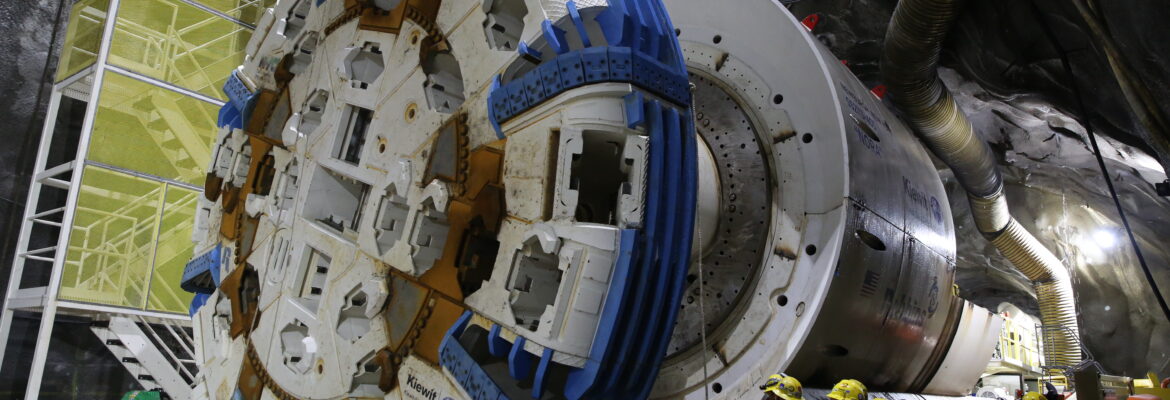
Banner Image: TBM Nora goes underground. Image Credit – NYC DEP


There are no comments yet
Why not be the first