
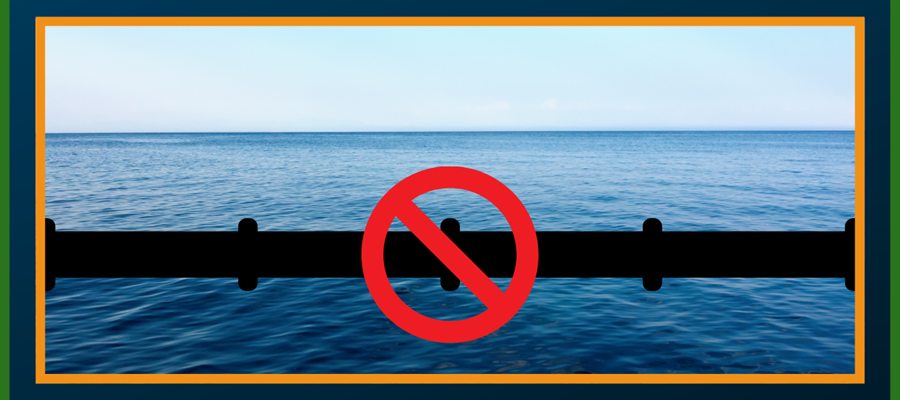
New Yorkers, Staten Islanders: Public Comment Period Underway On Proposed Gas Fracking Pipeline Under New York Waterways
New Yorkers, Staten Islanders: Public Comment Period Underway On Proposed Gas Fracking Pipeline Under New York Waterways
Editor’s note: Staten Islanders and others concerned about the impact of this project on the water quality around the city and state can submit a public comment detailing why they believe the project should or should not be approved by the Department of Environmental Conservation. As noted by NYPIRG, this same project, with no changes, was already rejected by the DEC. It is now receiving renewed interest and a new hearing. Readers can learn about some of the hazards of using natural gas appliances in homes from DeNova Detect, a manufacturer of alarms that detect leaks of natural gas.
According to Catskill Mountain Keeper: “Natural gas is extremely toxic and when it leaks into the air, ground or water along the transport route it, the results are the same as when it leaks from a wellpad. Gas is released either through planned operations known as blowdowns, so maintenance work can be done, or accidently. Air around compressor stations, is especially toxic. In the recent Coming Clean Study, in which Catskill Mountainkeeper participated, the conclusion was that “air concentrations of potentially dangerous compounds and chemical mixtures are frequently present at oil and gas production sites.”
Since the primary component of natural gas is methane, a very potent greenhouse gas – the release also causes climate change. (Methane is 86 times more potent than carbon over the first 20 years)
The Network for Oil & Gas Accountability and Protection (NEOGAP) has put together a “List of the Harmed”, recounting real life experiences of people whose health has been affected by contact with fracked gas. Read about people from all over the country who live near fracking infrastructure, such as compressor stations in PA, who now suffer from headaches, sore throats, sinus congestion, rashes, blisters, lesions, respiratory distress, hearing difficulties and more. “
The Northeast Supply Enhancement Project (“NESE Project”) is a 26-inch diameter pipeline proposed by Transcontinental Gas Pipe Line Company LLC (Transco) that would transport fracked gas from Pennsylvania through New Jersey, travelling underwater right off the coast of the Rockaway Peninsula to Long Island. Approximately 23.5 miles of underwater pipeline will be installed, of which approximately 17.4 miles would be in New York State waters.
The project was previously rejected by the New York State Department of Environmental Conservation (DEC) in 2020 due to its violation of New York’s water quality standards, but has been given reconsideration. Given its scale, potential impacts, and controversial history, the public comment period for the “re-application” for the NESE Project is critically important.
MAKE YOUR VOICE HEARD!
Individuals and parties may submit comments electronically at [email protected] to voice their opposition to the proposed NESE fracked gas pipeline. All electronically submitted comments must be received no later than 5 PM on August 1st, 2025.
Sample message:
Dear DEC,
I am a resident of [YOUR MUNICIPALITY], NY, and I urge you to extend the public comment period from 30 to 120 days and hold virtual and in-person public hearings for the reconsideration of the Williams NESE Project. This proposed fracked gas pipeline puts the health and well-being of New Yorkers at risk. It risks contaminating and disrupting our waterways and further contributing to the climate crisis. Additionally, it could cost ratepayers over $1 billion at a time when we are already facing sky-high utility bills. New York must invest in energy efficiency measures and invest in producing clean, renewable energy for our homes. Thank you.
Sincerely,
[YOUR NAME]
Thank you for your help!
NYPIRG works hard to combat the climate crisis and protect New York’s environment, public health, and consumers. The policy discussed above — and many others — are part of our current advocacy efforts. It is vital that the DEC hears from you on the issues that you are concerned about. Thanks again for making your voice heard, and take care.
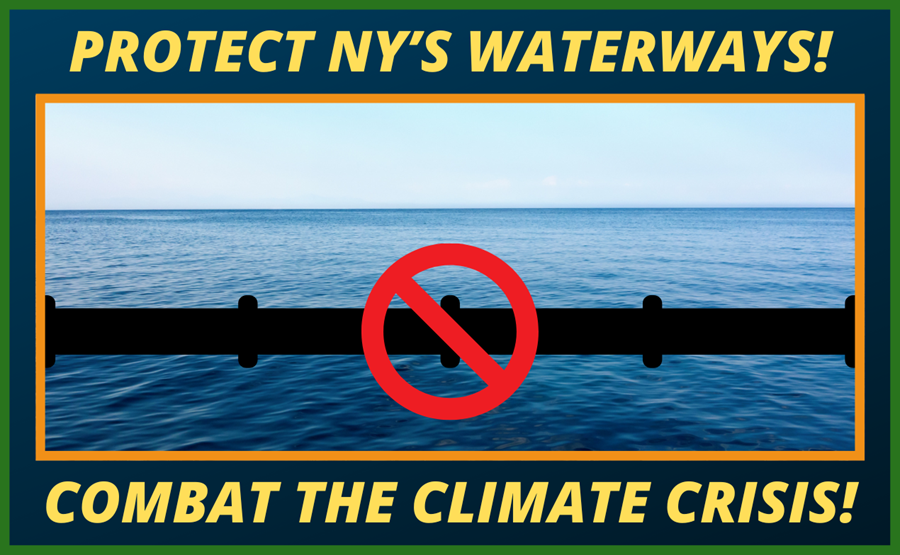
Banner Image: Impact of natural gas message. Image Credit – NYPIRG

[…] note: We also recently covered the local opposition to the natural gas fracking pipeline proposed to be installed under New…. The project is likely to cause environmental damage, along with other concerns shared by […]