
Staten Islanders At Higher Risk For Cancer, But It Is Not A Death Sentence – Patients Can Assist Their Care By Improving Their Nutrition, Activity Levels – PCRM
Editor’s note: According to research and reporting from the Staten Island Advance, the incidence of breast cancer is 11% higher on Staten Island than the rest of New York City, lung and bronchial cancer is 47.7% higher, and colorectal cancer is 19.6% higher. Unfortunately, non-profits such as the American Cancer Society are very much stuck in their ways of using surgery, radiation, and chemotherapy exclusively to treat cancer. While the American Medical Association recommends counseling patients on lifestyle, nutrition, and exercise benefits, including cutting out tobacco and limiting alcohol, to prevent cancer before it starts, most oncologists are firmly planted right where they are and have usually grown roots. If they are a Radiation Oncologist, every cancer is treated with radiation. If they are a Medical Oncologist, every cancer they see is treated with chemotherapy, immunotherapy, and hormone therapy. If they are a Surgical Oncologist, then every cancer will be treated with surgery. These fields often don’t intersect, so patients are relegated to the treatment that the doctor they chose specializes in.
It should be understood that the treatments presently used, with the exception of Medical Oncology, have not changed much since the 1950s – either in their method or their success rates. Radiation Therapy has been expanded to include “Proton therapy” instead of just “Photon therapy,” but the new offers nothing over the old, except for the fancy rooms and radiation craters they are making (passing electricity through the beam as they do in proton therapy causes their entire facility to slowly become radioactive over time). In the case of Proton therapy, the technology has not advanced much because the cost of building the facilities is super high, in the hundreds of millions of dollars, and they are not upgradeable. So there are multiple locations in New Jersey and New York that offer this therapy, but as the technology advances, they are left behind. But they don’t tell patients that they are using old tech. They use gimmicks and marketing to bring in patients to justify the incredible construction cost, and the treatment has only recently become covered by most health insurance plans since it finally passed FDA approval.
Readers interested in actually implementing these dietary changes who deal with time constraints related to working hours and on a budget may find our quick easy plant based meals video with Xavier from PCRM helpful. We also discussed dietary changes and the importance of vitamins in creating the conditions for optimal health, including overcoming chronic diseases, with the director of the Orthomolecular Medicine News Service. To learn more about this diet as well, with several witnesses testifying about its benefits for cancer and other chronic diseases, readers may remember our video of the hearing on plant-forward nutrition and its role in improving outcomes for aging populations. We also discussed dietary changes with Noah Praamsma, who answers our questions below. Unfortunately, modern medicine has more than enough proof that a ‘pill for every condition’ is not really the best answer, and that prevention, particularly utilizing an ideal diet with complete nutrition and micro-nutrients and vitamins – along with sufficient exercise – are best for preventing breast and other cancers, healing the heart after a heart attack or blockage, and for overall well-being, good health, and healthy aging. Of course, it goes without saying that tobacco and alcohol, as well as processed meats, are really unfit for regular consumption by humans who care about their bodies. These things are a definite (or almost definite) cause of multipe types of cancer. In the case of tobacco, they can be the most painful and untreatable types (lung, throat, mouth, etc.).
We asked the below questions of the Physicians Committee for Responsible Medicine
The questions were inspired by recent reporting of cancer cases on Staten Island, and the complete lack of any information on how to prevent cancer of all types (this is based on official recommendations of the American Medical Association that finally acknowledge that our decisions are usually the cause of cancer, rather than some mystery). Cancer is usually only a death sentence when aggressive conventional medicine means are used, particularly radiation, and even when these methods appear to yield results, such as remission, they are so toxic in themselves that the chances of the cancer recurring are quite high. Anything that one can do to reduce their risk of developing cancer, and to mitigate it if it has arisen, then, are worth trying. There are many, many case histories, testimonials by doctors and nutritionists, along with published research that shows that cancer can be reversed. In fact, the Gerson Institute, based on the work of Dr. Gerson in the 1950s, with a clinic established in Mexico in the 1970s,and the Hippocrates Institute, also in the 1970s, were incredibly successful. Each of them has many client testimonials and case histories, and while these were not sufficient for the National Cancer Institutes to say that they were effective, many patients have benefited from their methods. Sometimes the therapy would yield greater quality of life and reduced pain, other times it would reduce tumor sizes.
While the case studies were claimed to not be rigorous enough to pass muster, it should be remembered that these bodies are heavily biased in favor of conventional medicine and are, in most cases, run and staffed by regular doctors with limited experience in actually curing patients of cancer. Most medically accepted treatments don’t lead to a very long life, either, since at five years, patients that have survived are considered ‘cured’ and are barely tracked after that. This skews cancer treatment to seem to be much more effective than it is, since those patients that die at five years and a day, for instance, would not be considered in the statistics any longer since they are ‘cured.’ After Dr. Gerson publicized his studies and patient testimonials, his license was suspended in New York. It was claimed that he was advertising unproven methods as a doctor, and he died a year later. His daughter later opened a practice inspired by his research in Mexico, which allowed them to then help only the most affluent patients who were seeking this care – since traveling to and staying in Mexico for several months during the treatment is out of reach for most people.
Questions in plain text, answers in italics:
Has your organization released any articles related to how oncology doctors could best help their patients by counseling them about the importance of diet and exercise to prevent cancer (particularly breast cancer) as per the somewhat recent AMA guidelines? It seems most oncologists don’t even mention it, and sometimes patients don’t find it on their own, so we would like to provide a resource, if possible, about how they can take a partnership role in their healthcare.
In terms of educating physicians about the role of diet in cancer prevention, I would say that our annual International Conference on Nutrition in Medicine is a great example as we often have presentations about cancer prevention, and practitioners earn continuing education credits for this. There were about 600 attendees this year. We also have our Let’s Beat Breast Cancer campaign, and Dr. Funk is a key spokesperson for this. She’s spoken about it at the conference. There is the following paper as well, though it is older.

https://www.tandfonline.com/doi/pdf/10.1080/07315724.2013.866527
Are there any guidelines that have been released on how doctors can go about recommending these dietary changes to their patients, such as talks about the AMA’s recommendation and how to apply in everyday patient care? Perhaps a presentation or talk on that topic would be great to share.
PCRM has published and presented on both the “why” and the “how” of a vegan diet for diabetes reversal many times. Maybe the most concise is our National Diabetes Program, which includes a series of short videos telling viewers all they need to know to start with this in their own life.
In terms of resources for doctors, we have many helpful fact sheets and handouts that they can give their patients. However, the resource they most often lack is time with patients. We’d like to see that change, but also celebrate the fact that there’s a profession designed specifically to counsel patients over time towards a healthier diet. Our network of plant-based dietitians is a great resource for patients, as well as doctors looking to make a trusted referral. [Readers should know that Medicare, and most other major insurance plans, allow enrollees to see a nutritionist twice a year as part of their medical care, at no out of pocket cost]
We have recently become aware that many people aren’t truthful with their physicians, and oversell their dietary and nutrition status, to their own detriment. Perhaps there are presentations that go over some of the evidence for a plant-based diet and exercise as preventative for cancer? Along with the importance of conveying the real benefits to patients so they will actually make the necessary changes.
We cover cancer a lot in our content, and much of it ends up on our webpage about cancer. Doctors should be asking direct and clearly worded questions, but this is also where a dietitian can assist with training specifically for this. RDs use a framework called ADIME: Assessment, Diagnosis, Intervention, Monitoring and Evaluation. By carefully attending to the first two steps, dietitians can often do a better job than doctors figuring out exactly what the nutritional issue might be for a patient and treating it appropriately.
Are there any case studies, talks, or trials you have published about people who have reversed cancer using diet and nutrition changes?
Not that we have published. Examples of people reversing their cancer diagnosis with lifestyle changes alone are rare and dubious to base recommendations on. Cancer is a constellation of diseases that have in common the fact that the normal controls on cell growth are lost, and like a runaway truck going down a hill tends to just gain more and more momentum unless surgery, chemotherapy, radiation, or another similar intervention is used to stop it. Diet and lifestyle is very powerful for reducing the risk of that truck losing its brakes in the first place, and it can help with quality of life for cancer patients, complication reduction, and improving rates of survivorship in the context of other treatments. At this time, though, we don’t have sufficient evidence to show that diet alone can reverse the course of cancer once it’s started.
Note for our readers:
In our recent article on September 11th-related diseases, many of which are cancers caused by the persistent presence of asbestos in the air and on every surface in downtown Manhattan (certainly other places as well), we provded some information on nutritional therapies that can be helpful for cancer. This includes a chart from a study published in the 1990s by Abram Hoffer and two-time Nobel laureate Linus Pauling, that described the research of their colleague Hardin, who had done studies with cancer patients in the late 1950s. While this research is controversial, it is also case study based. We have all been trained to believe that case studies are unimportant in medicine and not the gold standard, the way that RCTs (Randomized Clinical Trials) are believed to be. However, an RCT without an active placebo is an unblinded study. The reason why RCTs are so respected is that they are double blinded. But when you have two groups of patients receiving a medication, and one group reports headaches, migraines, intense joint pain, and dizziness, while the second group reports dry mouth and a slight headache, guess what just happened? You know which group is receiving the real treatment, and the study has just become unblinded. If medicine really wanted to solve that problem, they would implement active placebos, but they fight against this very hard. If you gave group 2 in the aforementioned hypothetical study Niacin – yes, Vitamin B3, an essential nutrient – then your side effects would be very similar. Migraine headache? Check. Dizziness? Probably checked in a lot of cases. Horrible, throbbing pain throughout their body? Check. Now try guessing which is the medication group. The problem with unblinding is that, just as in other places where humans are, researchers can be corrupt (about 35% of the time). With every study using passive placebos, it would be a stretch to believe that every study is actually correct, since they are all unblinded, pretty much immediately.
From the September 11th article: Proper nutrition is heavily complemented by proper exercise and activity levels. While recommendations vary, most Americans are too sendentary, and this is a leading secondary cause of cancer (it is within the top five causes – though this might be secondary to obesity and poor diet, which is most important – unless one smokes tobacco, drinks alcohol, or lives next to a pollution-emitting plant). So, lifestyle changes for those that are at risk include increasing physical activity levels, such as by walking regularly, and the adoption of a plant-based diet to help the body build back its own immune system and fight the disease itself. Since limited physical activity can lead to obesity when coupled with a poor diet that includes a lot of processed foods, increased physical activity can greatly help reduce the contributing factors for those with predispositions to diseases caused by being in the area of the World Trade Center after its collapse. That has greatly increased the chances of suffering from these illnesses. While such changes may not always be a cure, they improve quality of life by a large degree in most situations, including when they are combined with supplements for greater nutrition, as recommended in our discussion with the Orthomolecular physician. There are many doctors who have stated over the years that these changes can slow the progression and terminal nature of these conditions. They can also help the therapies offered by mainstream medicine to become more effective, specifically they were discussing intravenous Vitamin C plus conventional treatments, and most doctors who used these therapies did also improve the diet, though their main change was to eliminate anything processed, though meat itself was kept, usually in the form of lean chicken or fish (red meat is also usually eschewed by Orthomolecular practitioners). However, newer research has shown that the ideal diet for a person is plant-based, and that it is the nutrition provided by varied plants in the diet that are the greatest factor in lifespan and life quality. Conventional medicine alone does not have the best outcomes and usually offers very little to help these patients. See chart below for a comparison of outcomes with cancer therapies that include immunotherapy as commonly understood as one of the available conventional options, though it can cause less damage than radiation or chemo. Its outcomes are slightly better than radiation and chemotherapy, but the most effective treatment is a combination of these conventional therapies with IVC :

Chart showing results of various cancer treatments, including using nutritional therapies such as vitamins. Image Credit – Orthomolecular News Service
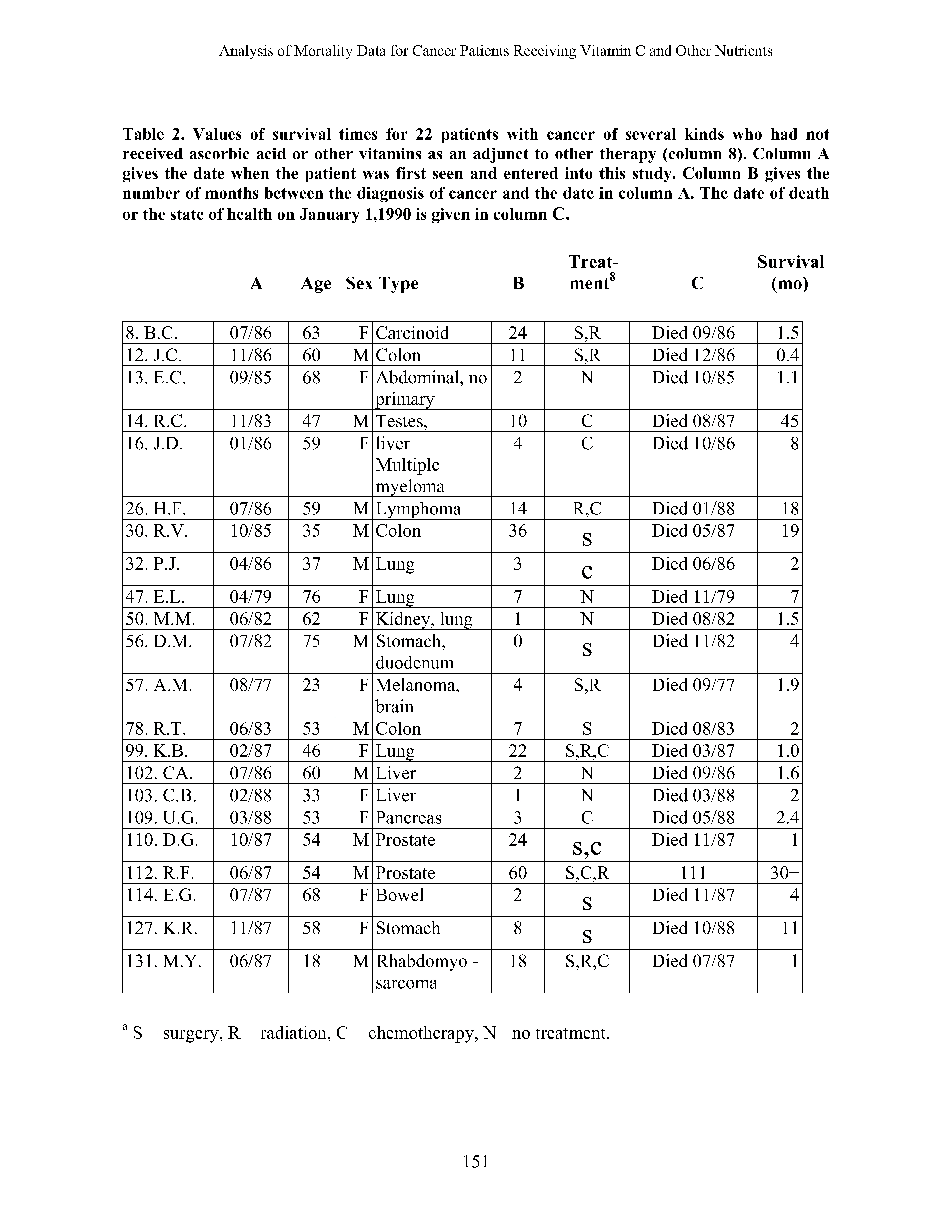
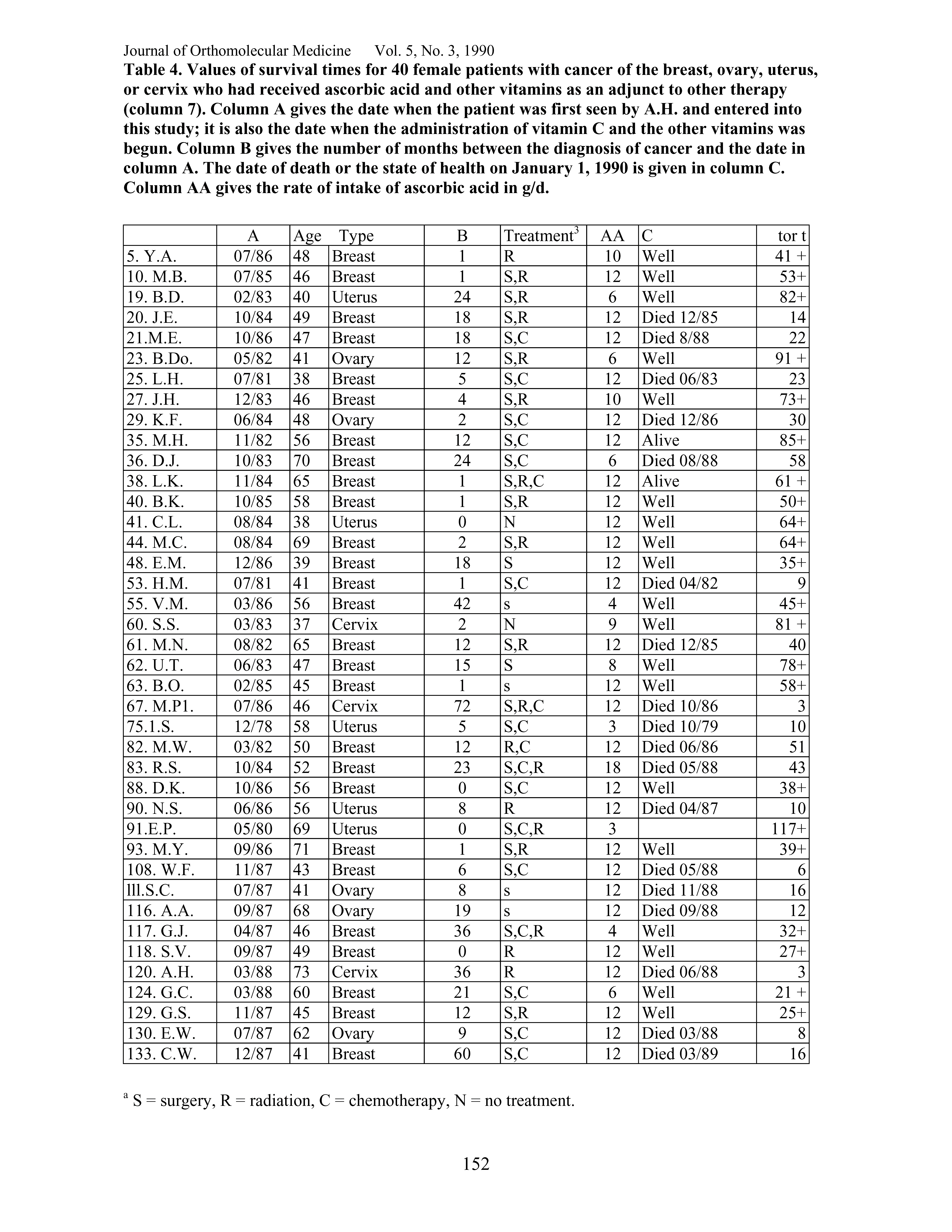
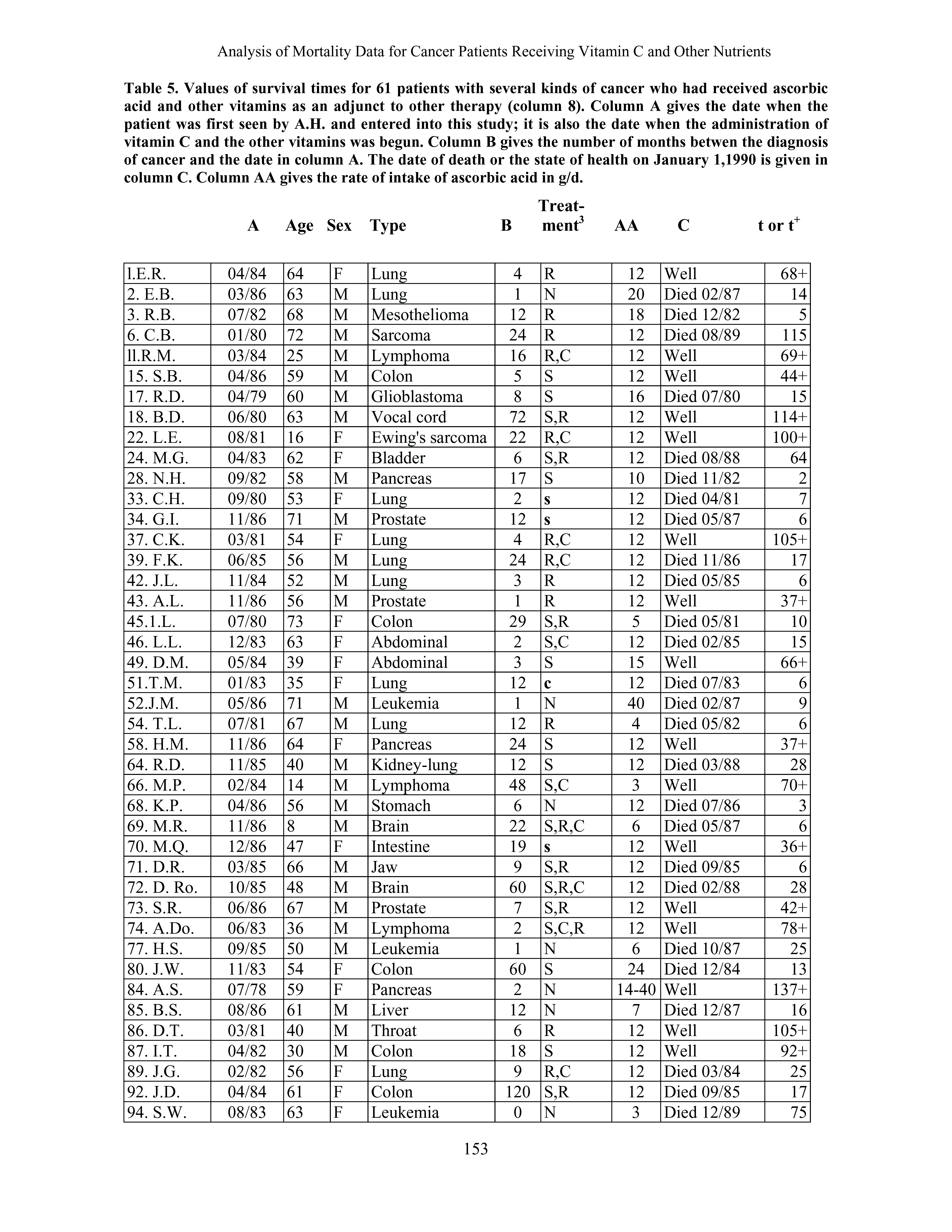
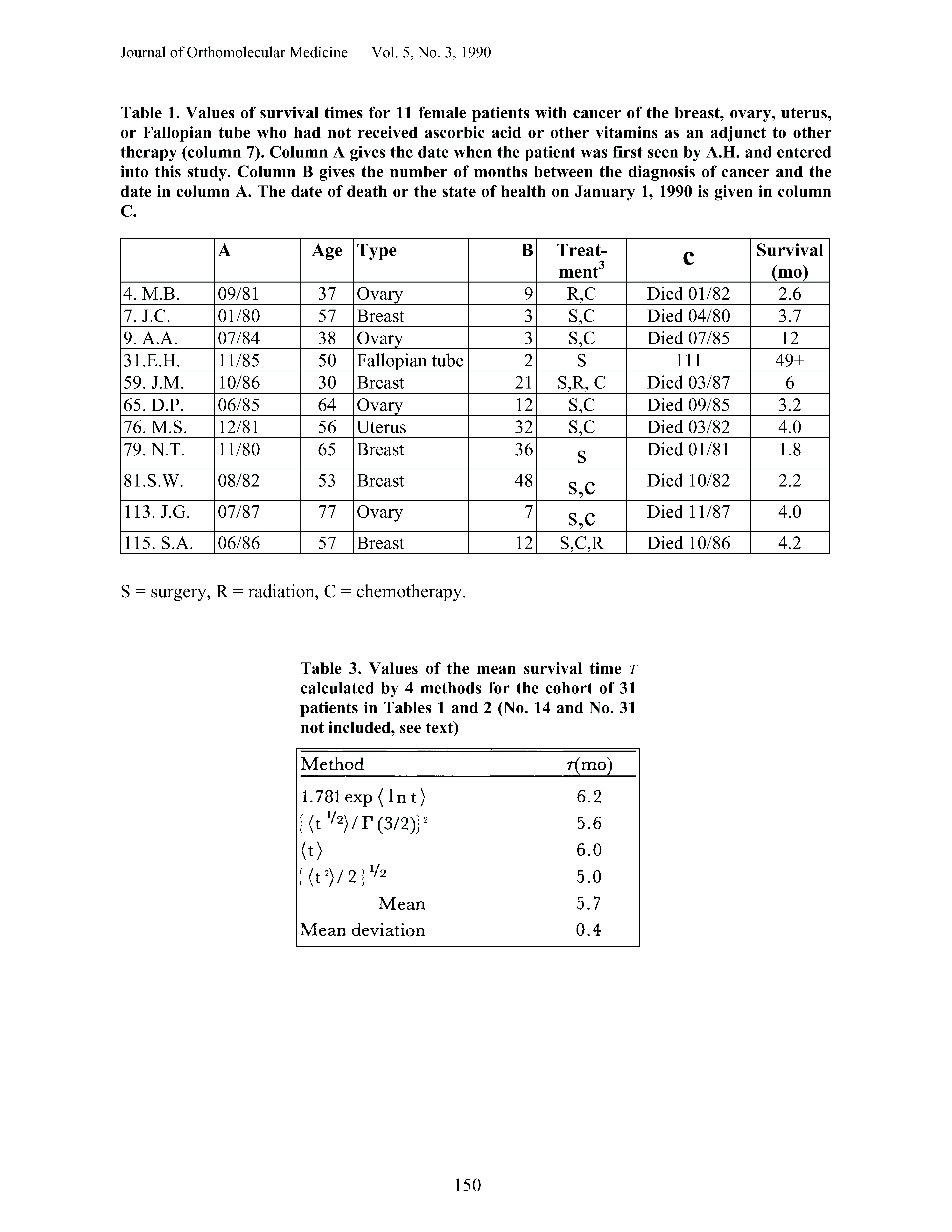
If you are interested in learning more about these intravenous nutrition therapies and their outcomes, which were and still are controversial, you can see the charts below, from the original study published at ISOM (International Society for Orthomolecular Medicine), which was authored by Abram Hoffer, M.D., and Linus Pauling, M.D., who is the only solitary Nobel Prize awardee twice over. These results have not been replicated in wide-ranging statistical analyses such as shown herein in quite some time. These are individual patients who, in Tables 1 and 2, summarized in Table 3, took only conventional medicine of one type or another, as shown by S, R, and C, which stand for Surgery, Radiation, and Chemotherapy. Many patients took both. For those in Tables 4 and 5, they took either Intravenous Vitamin C and nothing, or they took a combination of a conventional medicine type as described above, along with IVC. N stands for no treatment outside of IVC The survival times, which are in many instances much higher for those that added or used only IVC, are shown in the right-most column:

The video mentioned below can be found here.


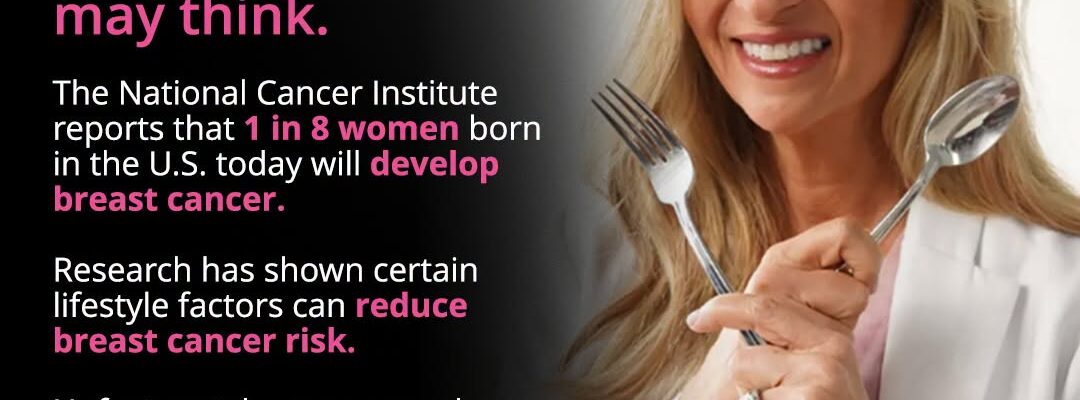
Banner Image: Breast cancer graphic. Image Credit – PCRM


There are no comments yet
Why not be the first